Saturation editing of RNU4-2 reveals distinct dominant and recessive disorders
Publication details
This Nature article looks at changes in the RNU4-2 gene, which can cause rare genetic conditions. The researchers used a technique called saturation editing to study many possible changes in the gene and see which ones affect how cells work. They found that different changes can cause different types of genetic disorder, including conditions that are inherited in different ways.
The findings could help researchers better understand how changes in RNU4-2 cause disease and improve the way genetic variants are assessed. This may help doctors identify disease-causing changes that are difficult to interpret and support more accurate diagnoses for people with rare genetic conditions.
Keywords: RNU4-2, rare genetic conditions, genetic variants, saturation editing, gene function, genetic diagnosis
Related publications
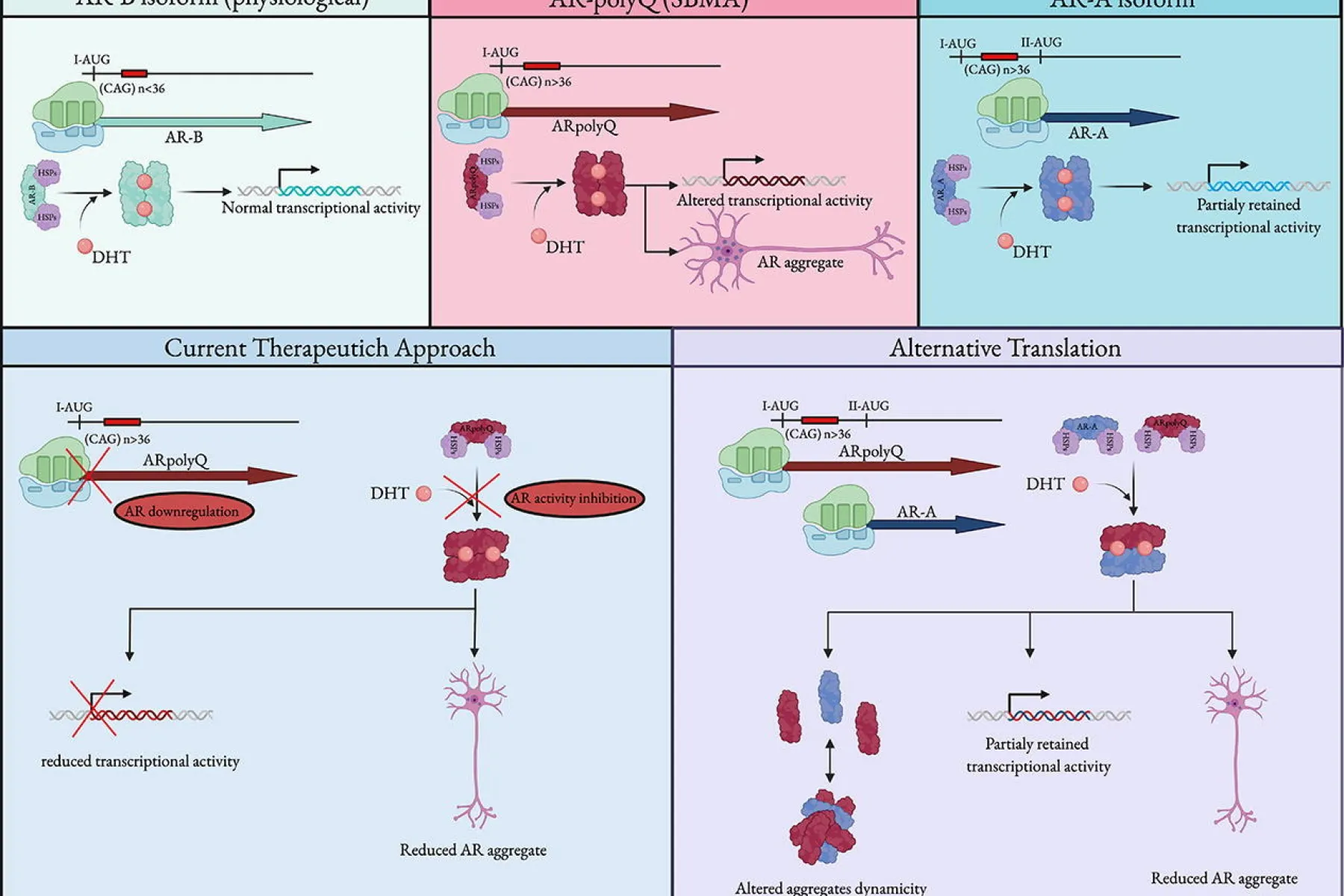
The alternative androgen receptor isoform A mitigates toxicity of polyglutamine-elongated mutant androgen receptor in spinal and bulbar muscular atrophy
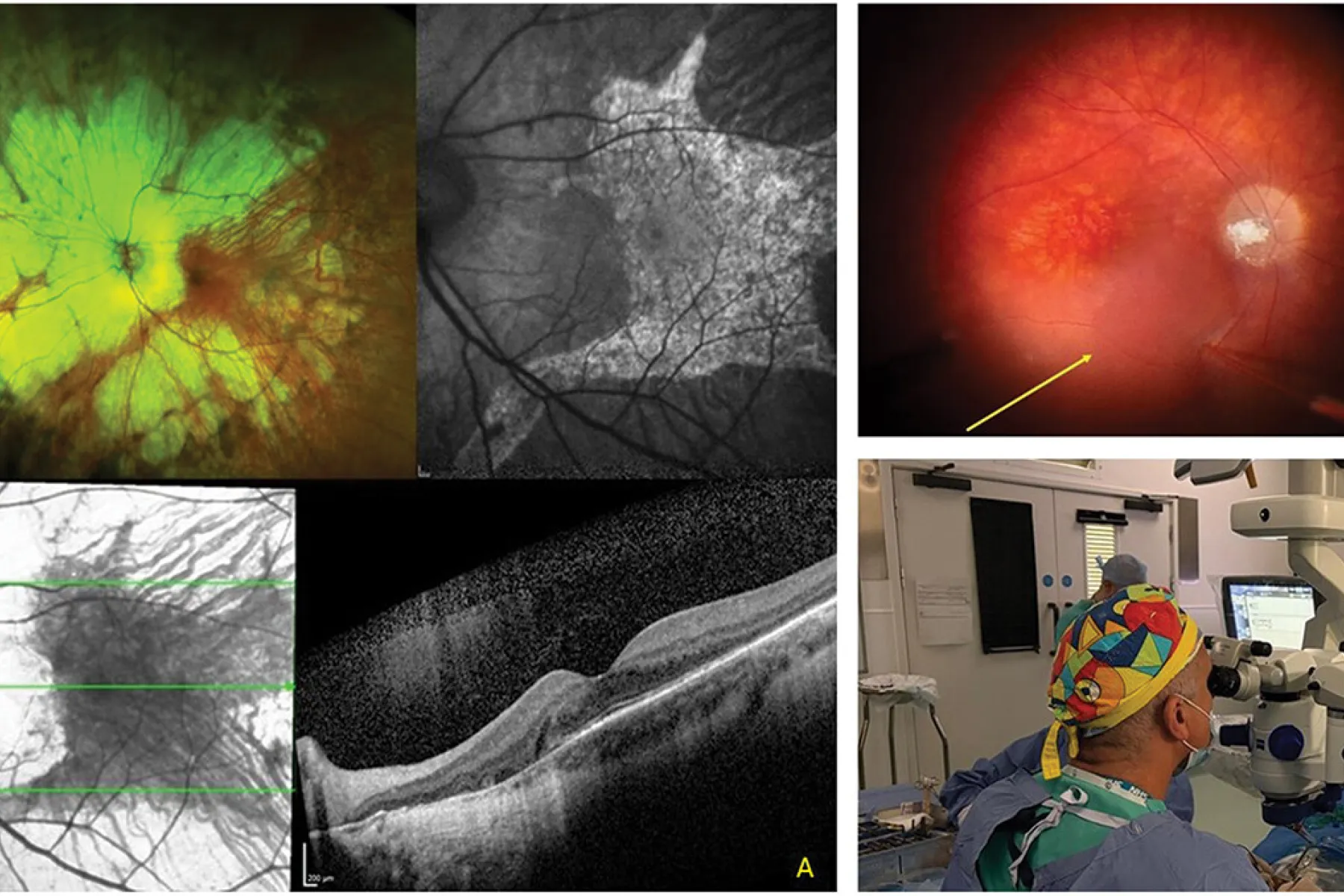
Beyond innovation: why rare disease gene therapy needs a reset
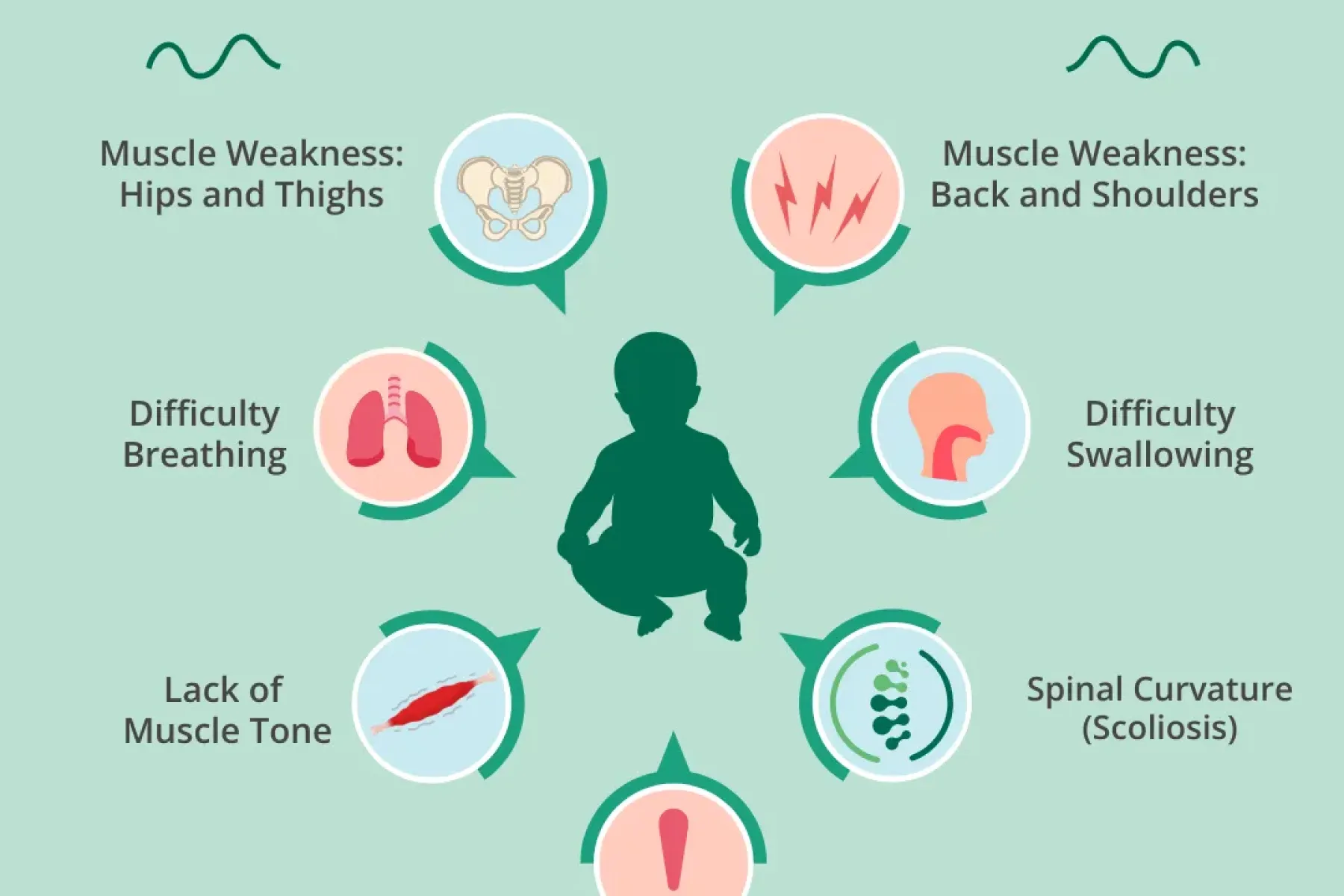
Efficacy and safety of risdiplam in patients with type 1 spinal muscular atrophy: a 3-year open-label extension of the two-part, phase 2 FIREFISH trial
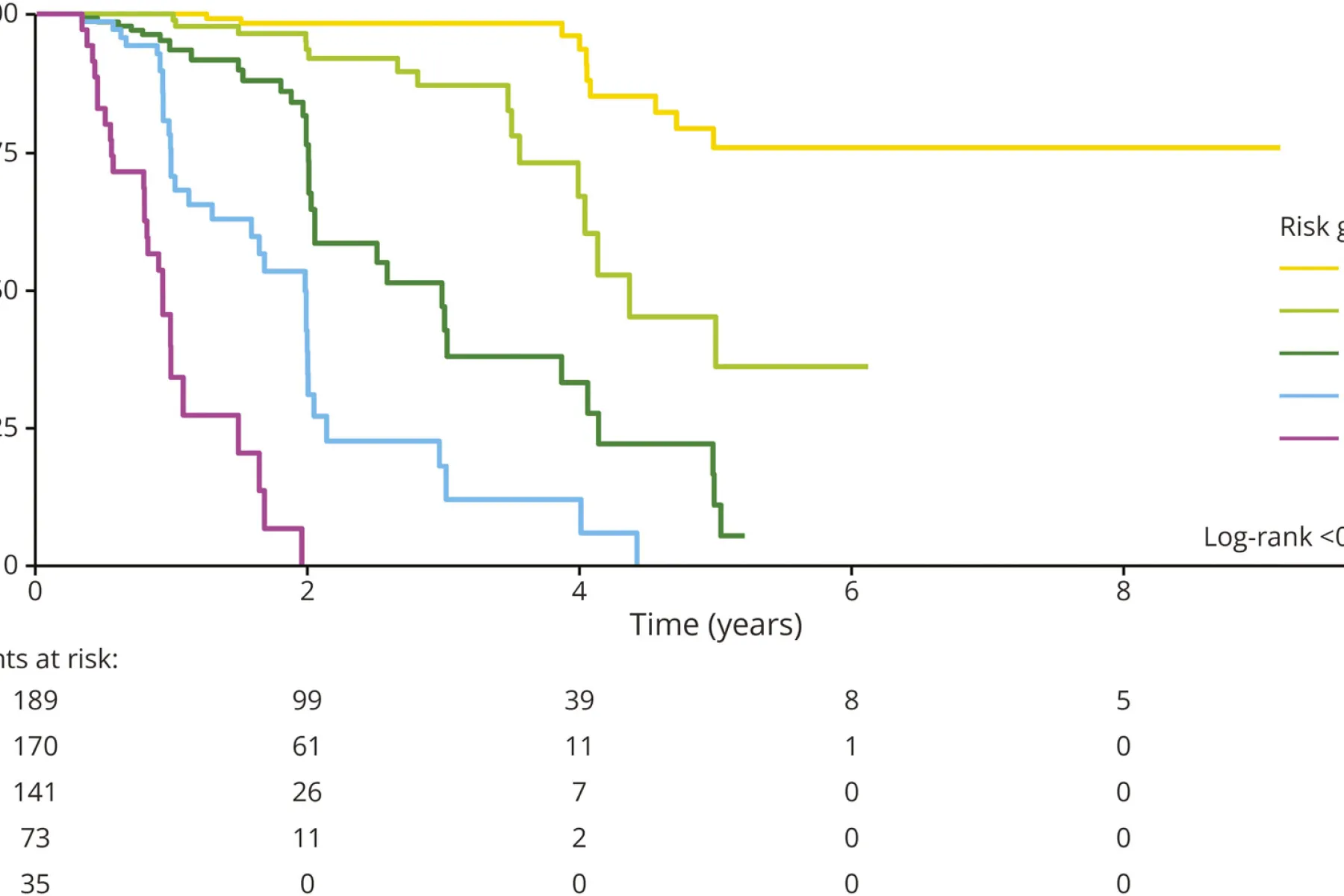
A Validated Prognostic Score for Time to Loss of Ambulation in Patients With Duchenne Muscular Dystrophy
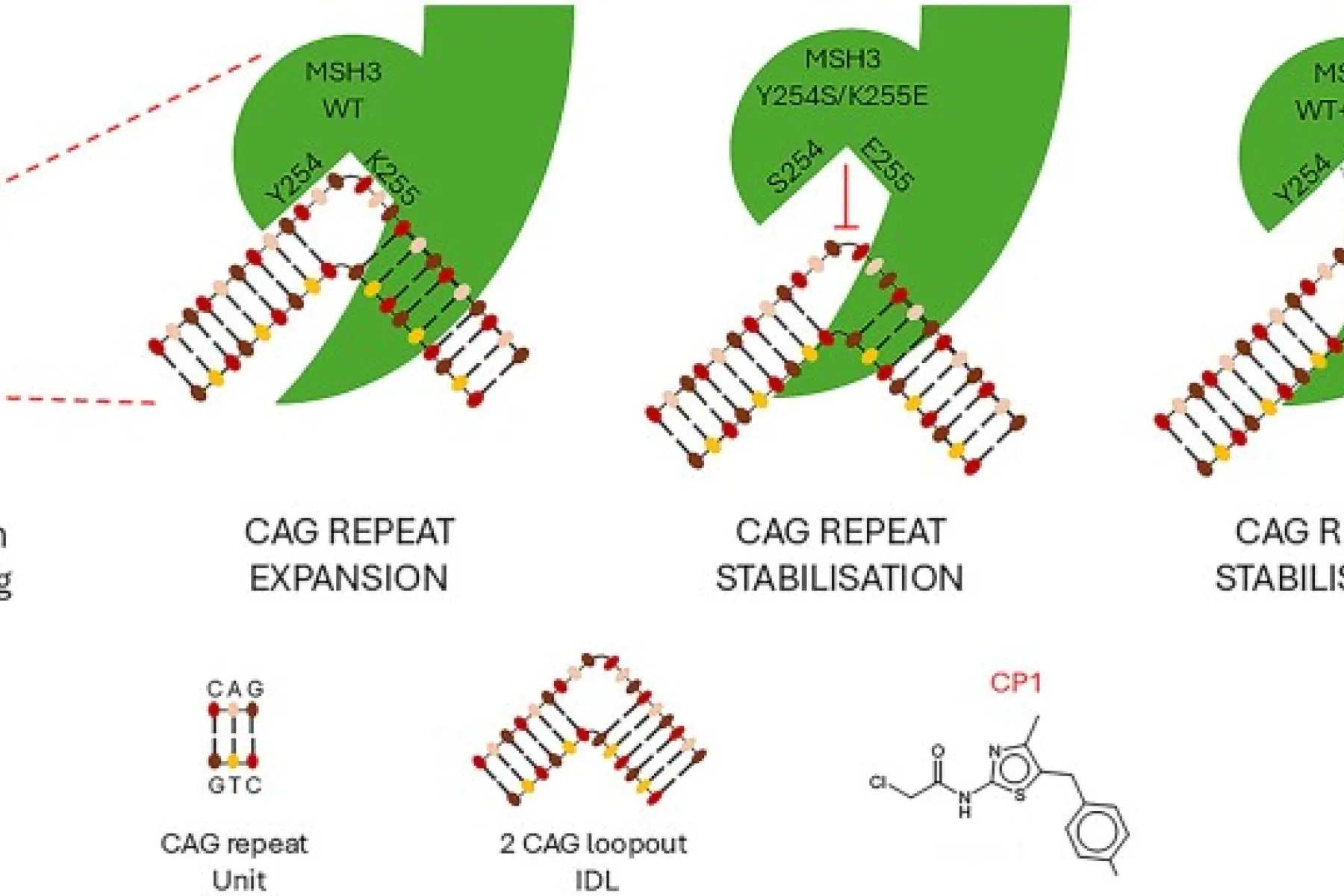
Genetic or pharmacological disruption of the MSH3 Y245/K246 IDL binding pocket slows CAG repeat expansion

Health economic evaluations of genomic newborn screening: Approaches by studies within the international consortium on newborn sequencing
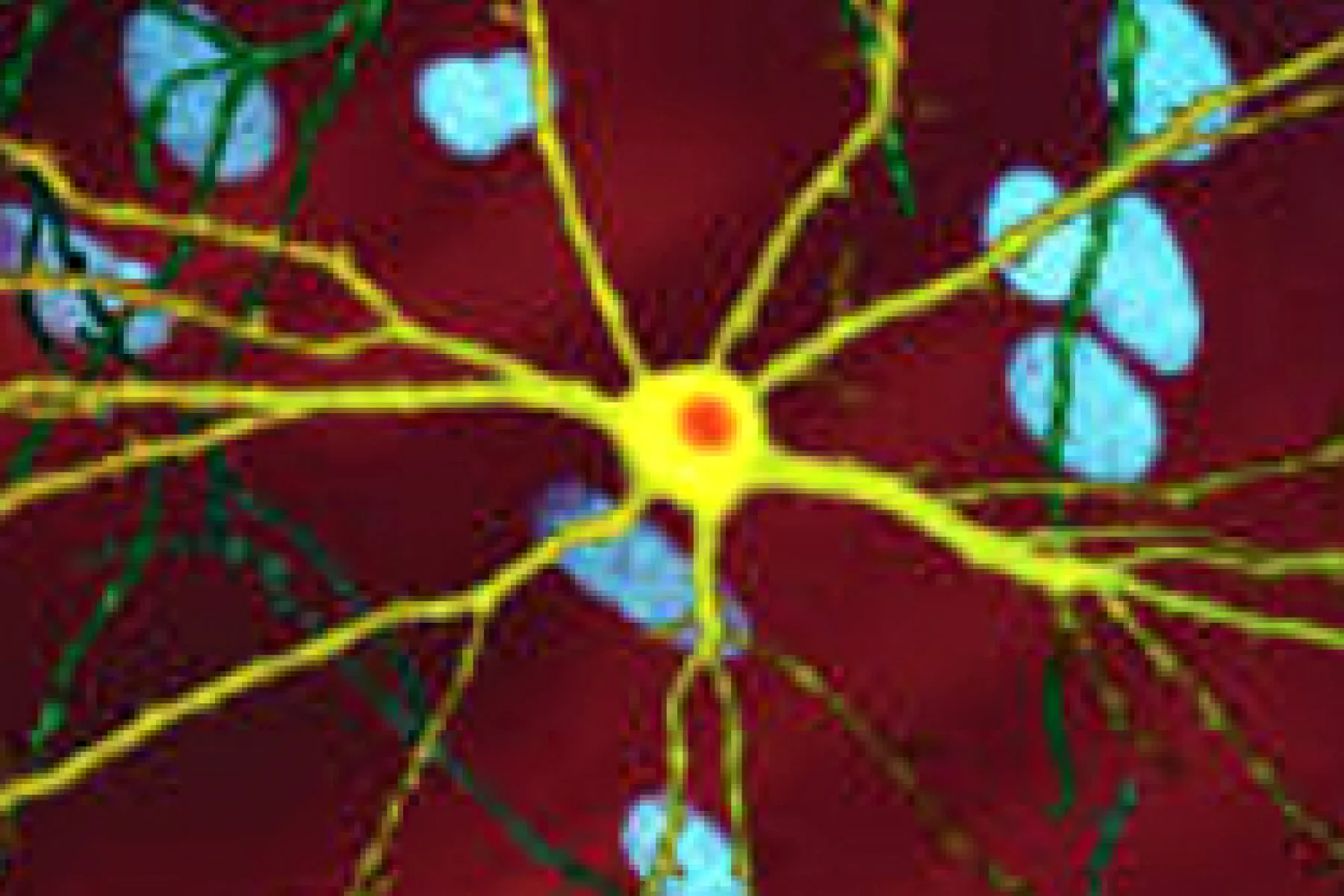
Targeting toxic HTT1a could be the key to treating Huntington's disease

Spatial transcriptomics implicates the thalamus and cortex in autism and schizophrenia
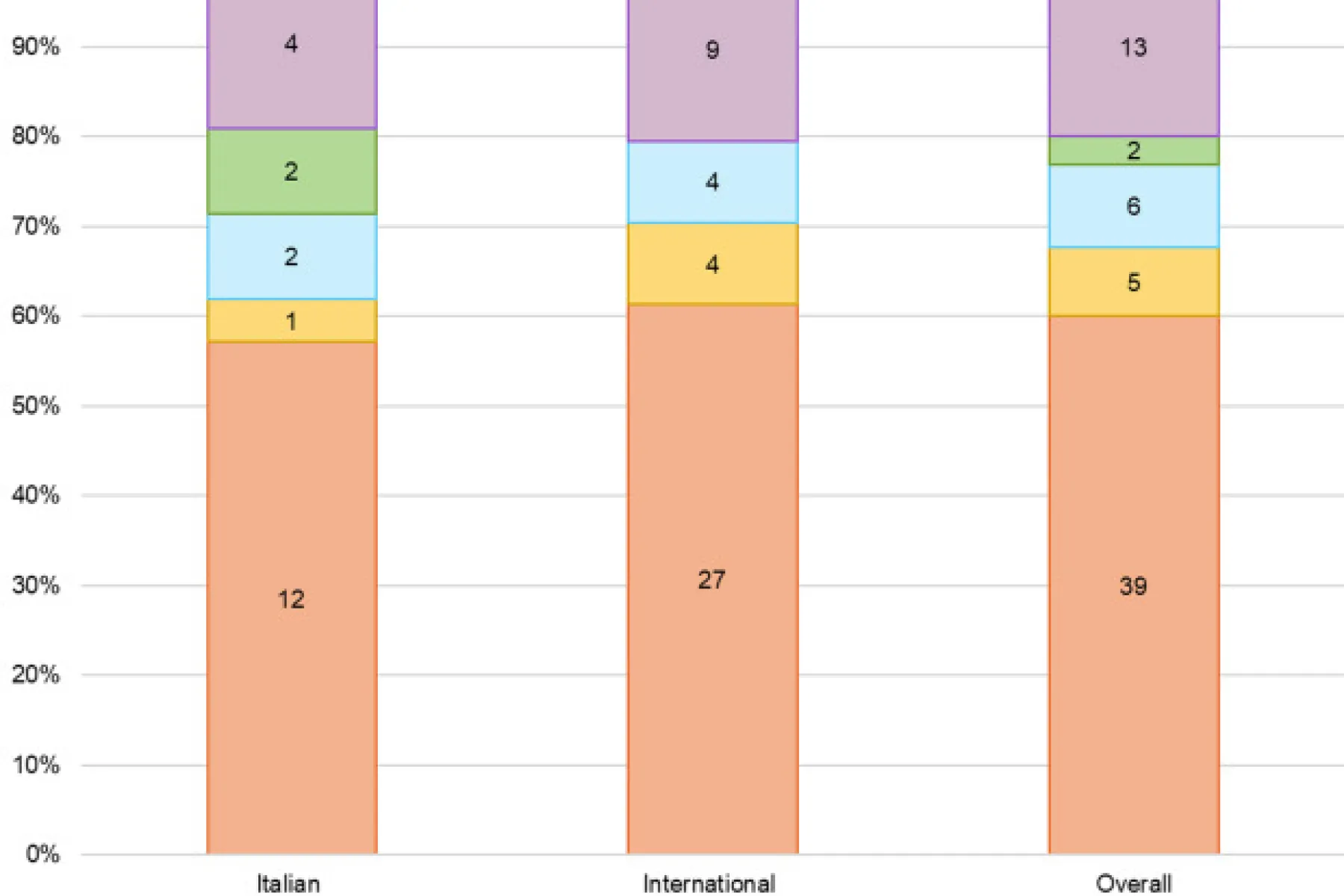
The phenotypic spectrum and genetic determinants of severe spinal muscular atrophy in individuals with a single SMN2 copy: an international retrospective observational study