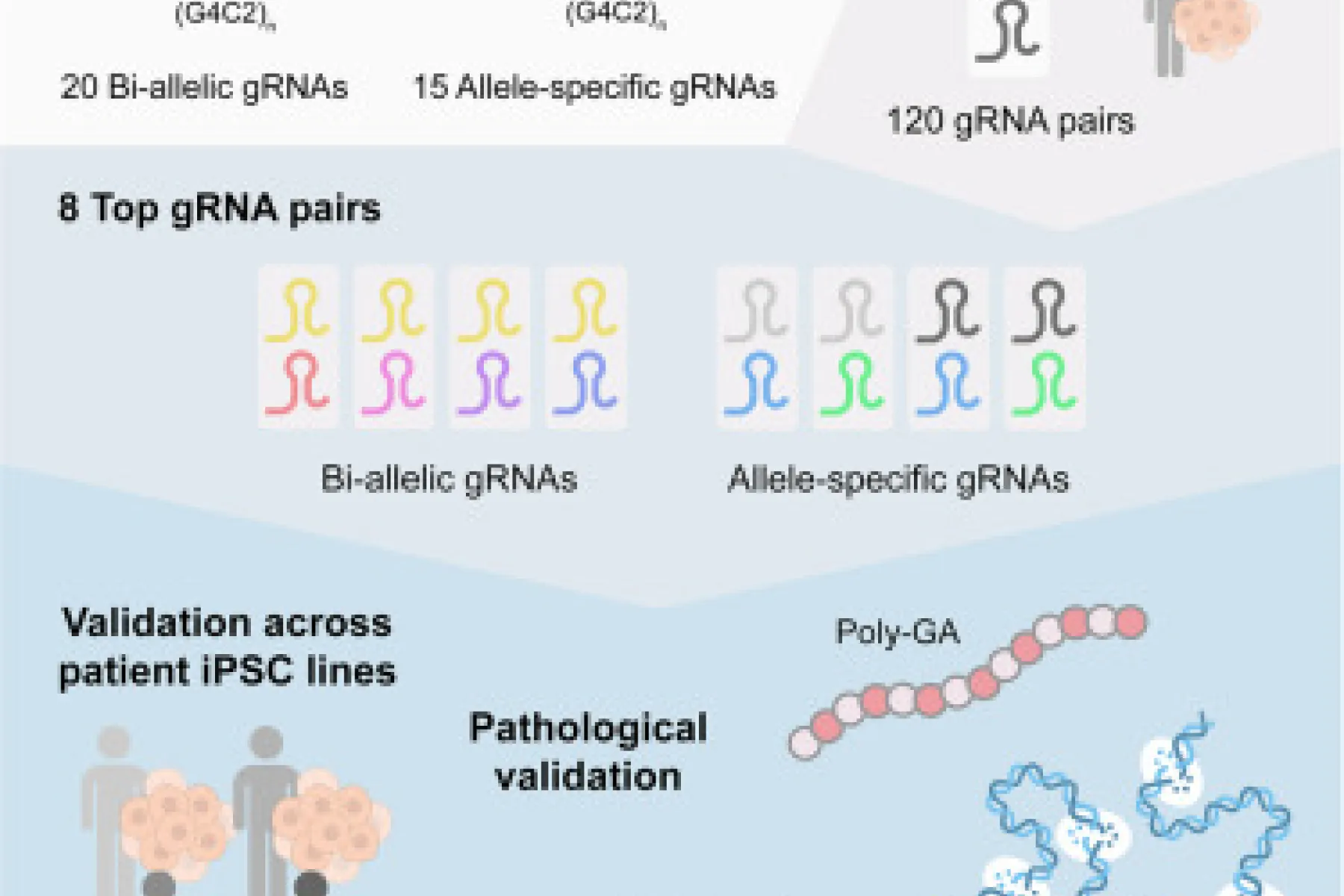
Targeting toxic HTT1a could be the key to treating Huntington's disease
Publication details
Summary
This Nature Review article explains how targeting a short, harmful form of the huntingtin gene called HTT1a could help researchers develop better treatments for Huntington's disease. Two new studies in mice found that reducing HTT1a lowered the build-up of harmful huntingtin protein in the brain and improved some of the changes in gene activity linked to the disease.
The findings suggest that targeting HTT1a could be more effective than simply lowering the full-length huntingtin gene message. However, the studies were carried out in mice, so more research is needed to find out whether this approach could work safely and effectively in people.
Keywords: Huntington's disease, HTT1a, huntingtin, genetic therapy, RNA, brain disease, mouse studies
Related publications
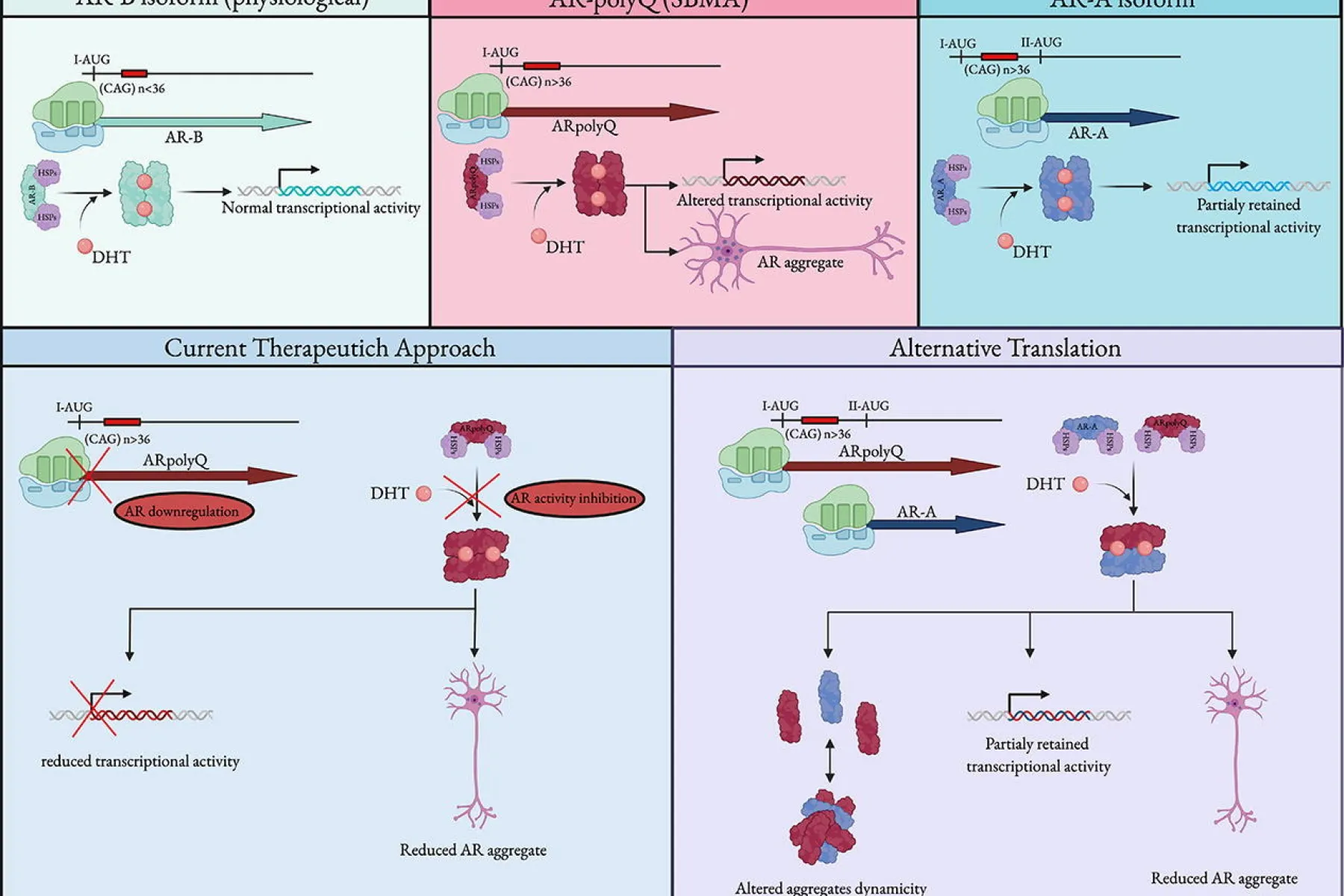
The alternative androgen receptor isoform A mitigates toxicity of polyglutamine-elongated mutant androgen receptor in spinal and bulbar muscular atrophy
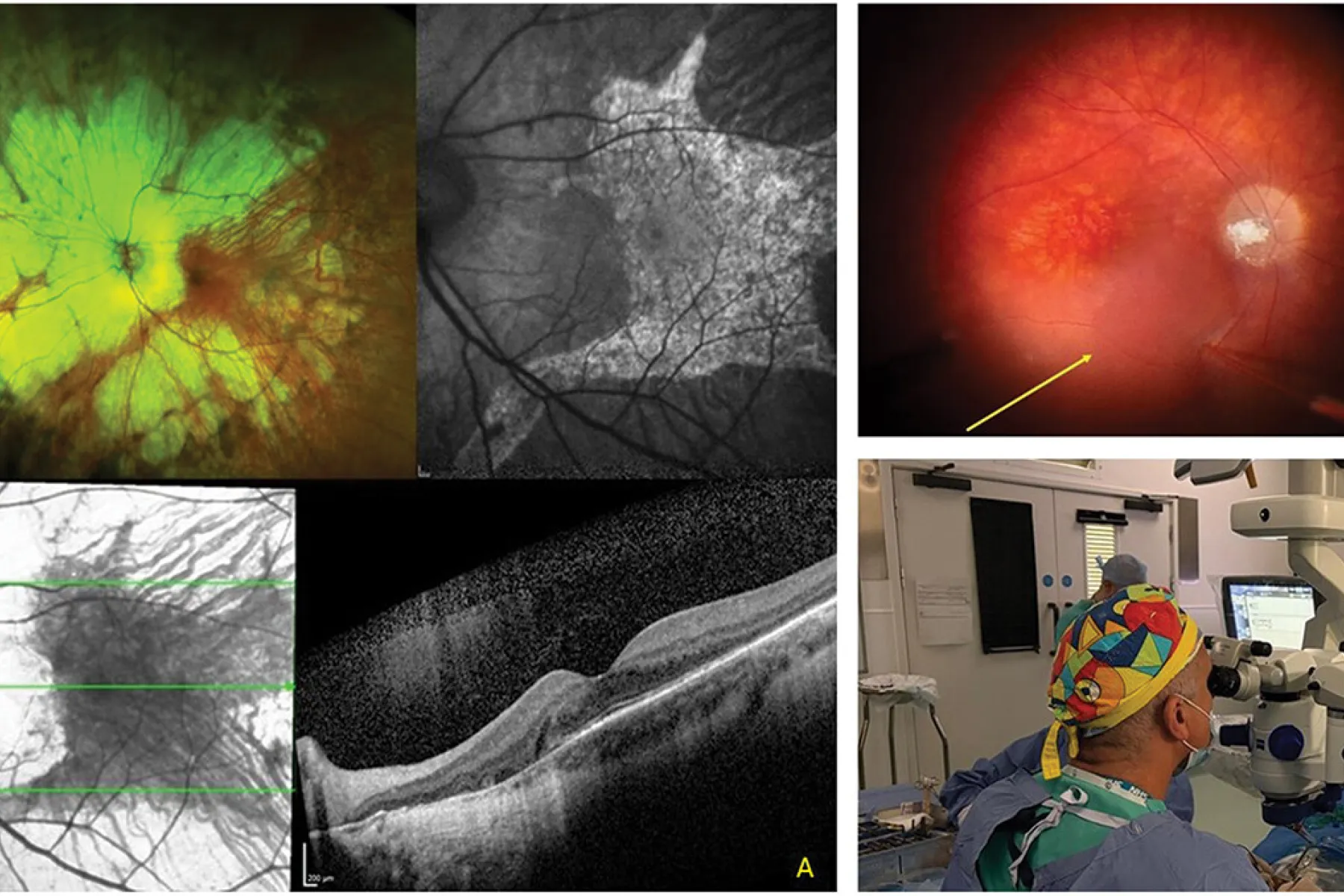
Beyond innovation: why rare disease gene therapy needs a reset

Efficacy and safety of risdiplam in patients with type 1 spinal muscular atrophy: a 3-year open-label extension of the two-part, phase 2 FIREFISH trial
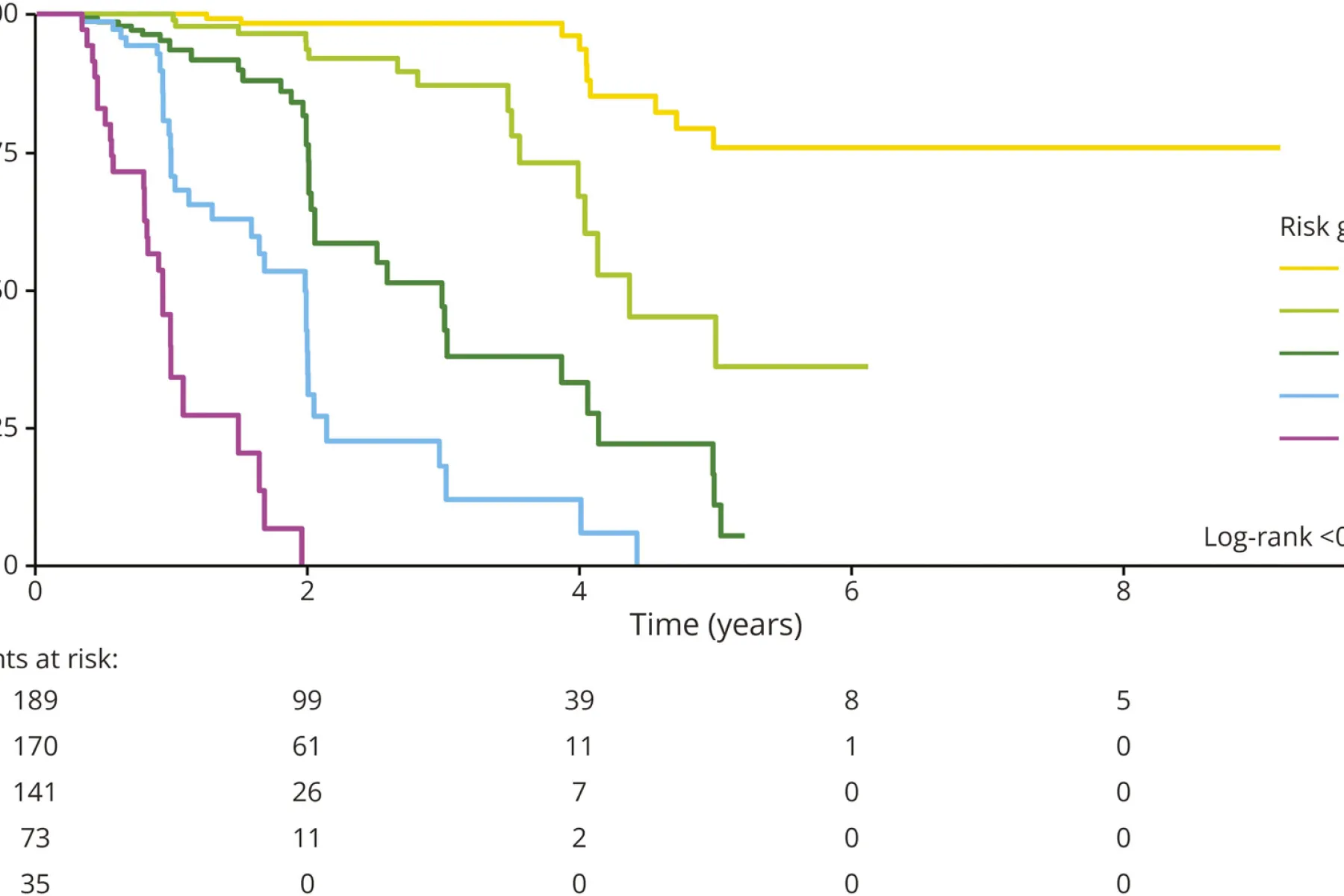
A Validated Prognostic Score for Time to Loss of Ambulation in Patients With Duchenne Muscular Dystrophy
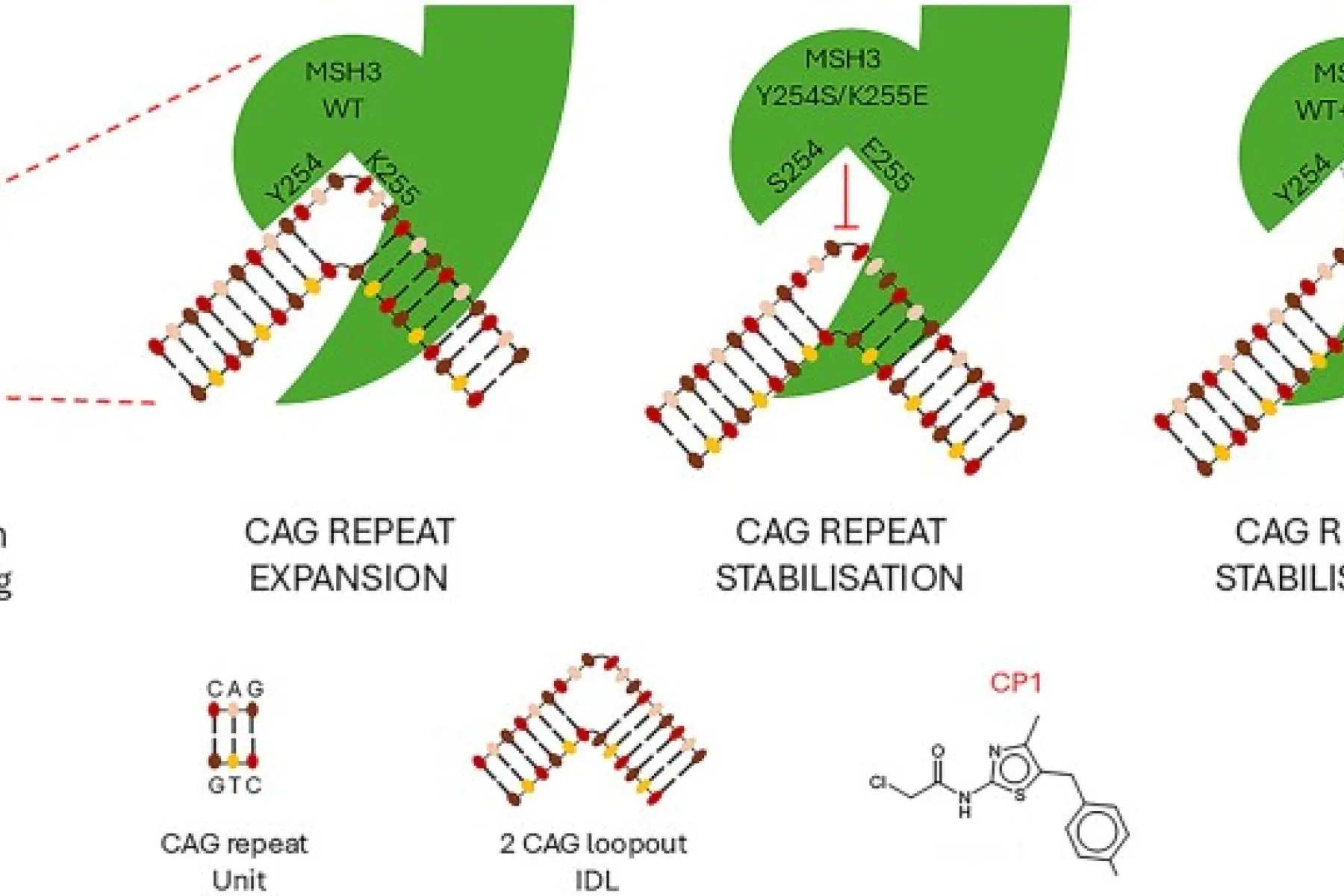
Genetic or pharmacological disruption of the MSH3 Y245/K246 IDL binding pocket slows CAG repeat expansion

Health economic evaluations of genomic newborn screening: Approaches by studies within the international consortium on newborn sequencing

Spatial transcriptomics implicates the thalamus and cortex in autism and schizophrenia
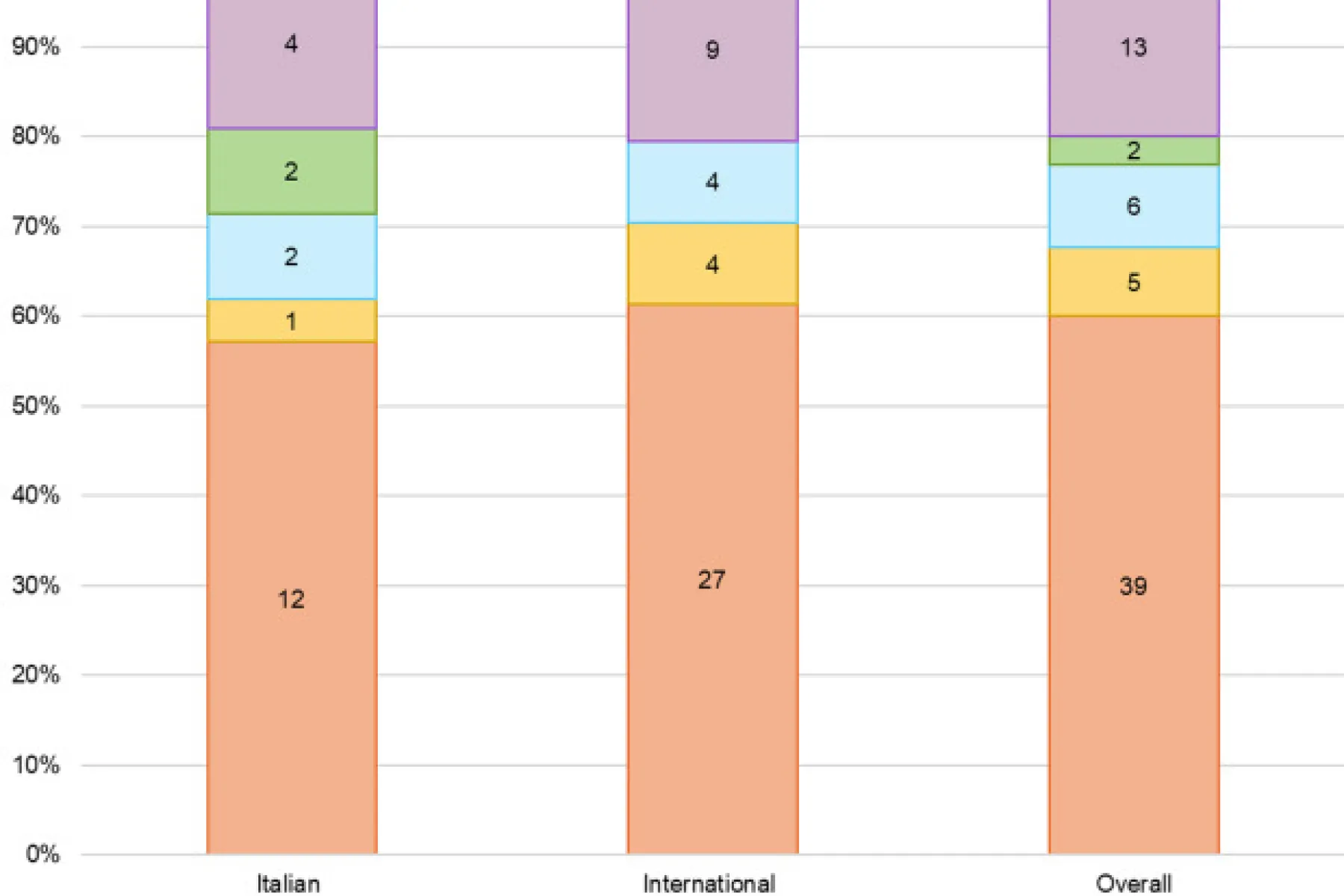
The phenotypic spectrum and genetic determinants of severe spinal muscular atrophy in individuals with a single SMN2 copy: an international retrospective observational study

Personalized CRISPR therapies could soon reach thousands — here’s how