
New video explainer series - neurodevelopmental disorders and gene therapy
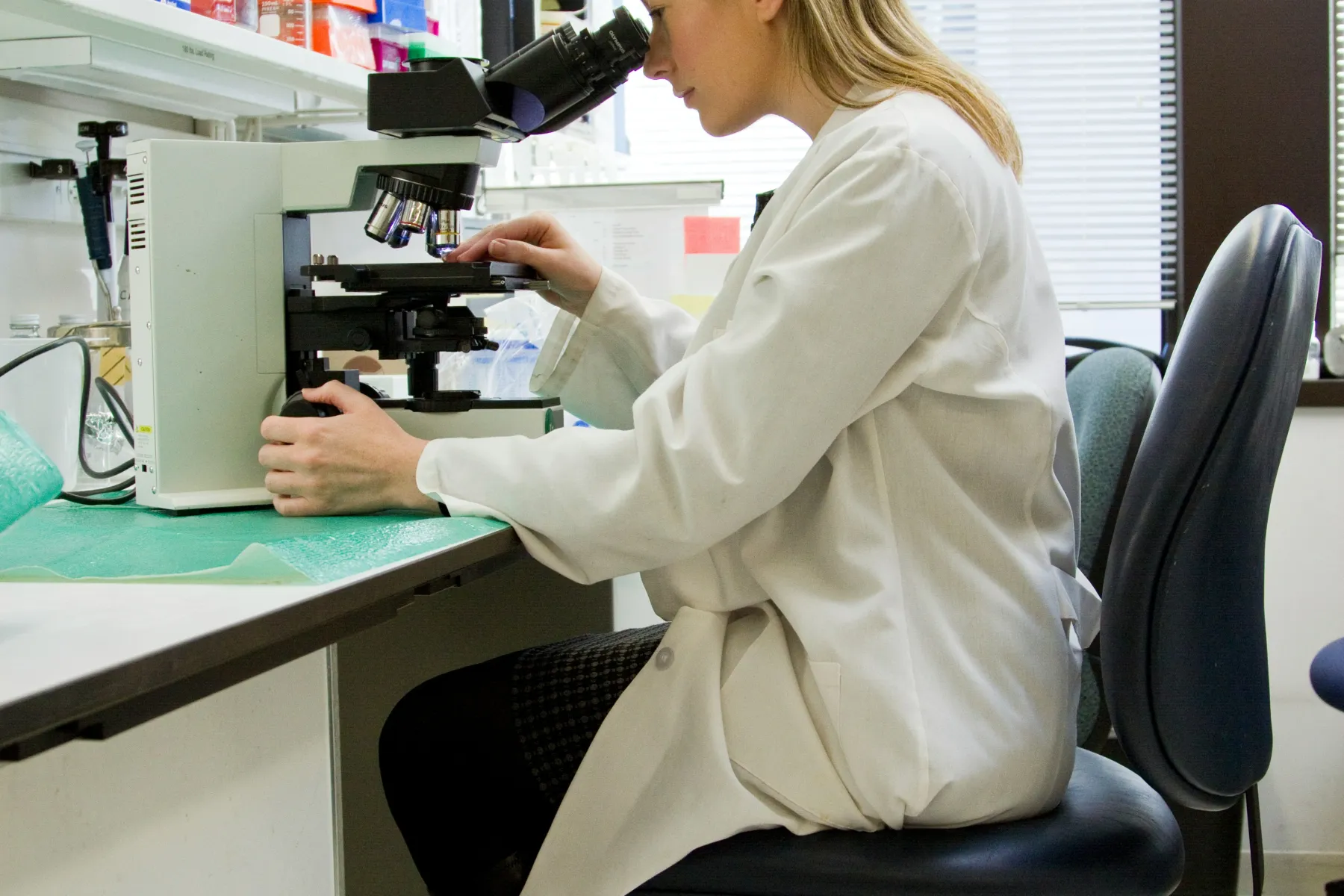
Applications open for DPhil projects in Therapeutic Genomics
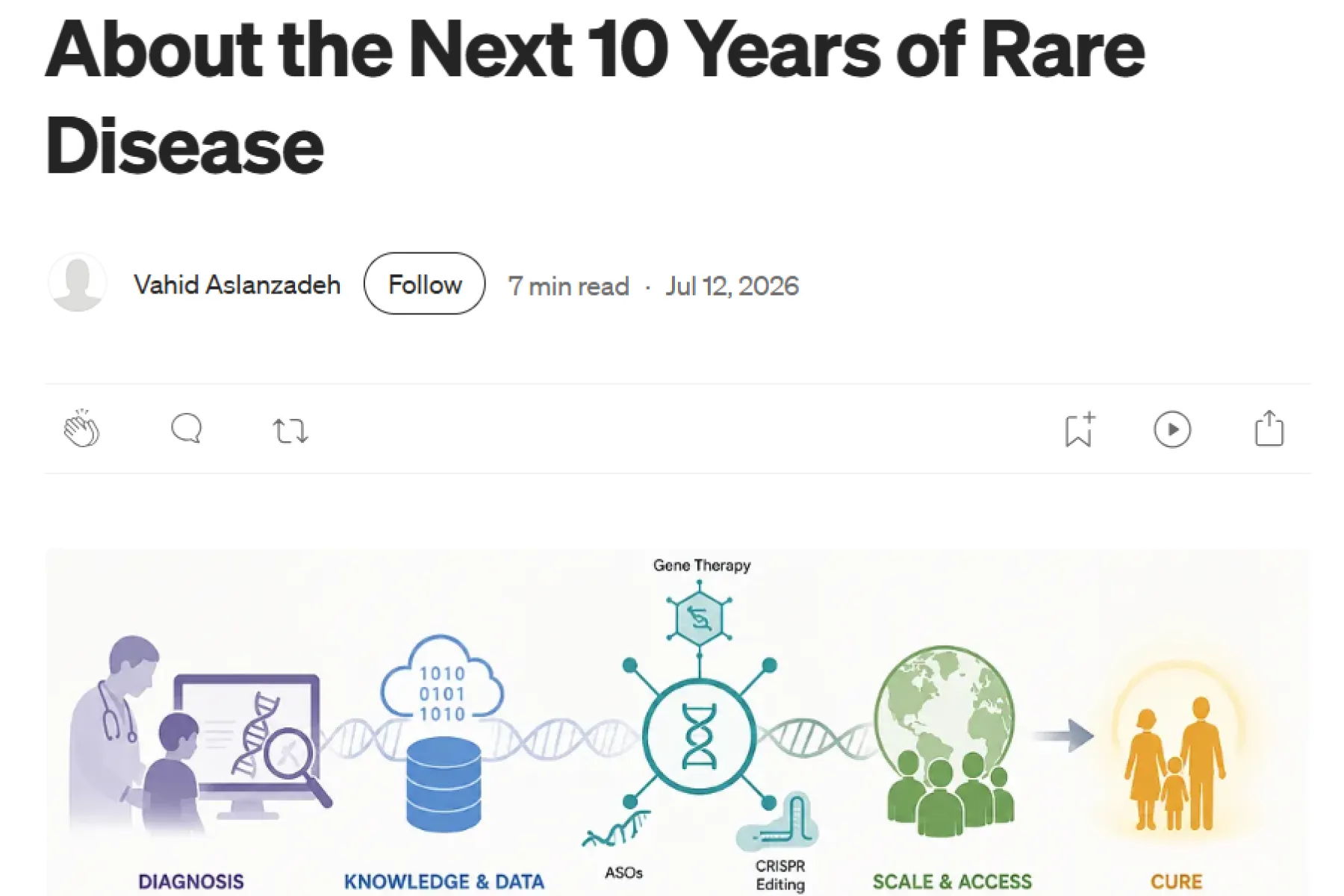
From diagnosis to treatment: the promise of therapeutic genomics
Vahid Aslanzadeh reflects on a talk by Professor Stephan Sanders, Director of the MRC CoRE in Therapeutic Genomics, at the UK Human Functional Genomics Initiative Scientific Symposium 2026 in a new article on Medium.

Newborn screening for spinal muscular atrophy moves closer to nationwide coverage in England
Newborn screening for spinal muscular atrophy moves closer to nationwide coverage in England

Anthony McGuigan receives an award at the ESHG Conference 2026
Anthony McGuigan receives an award at the ESHG Conference 2026

Professor Sarah Tabrizi gets royal recognition
Professor Sarah Tabrizi gets royal recognition
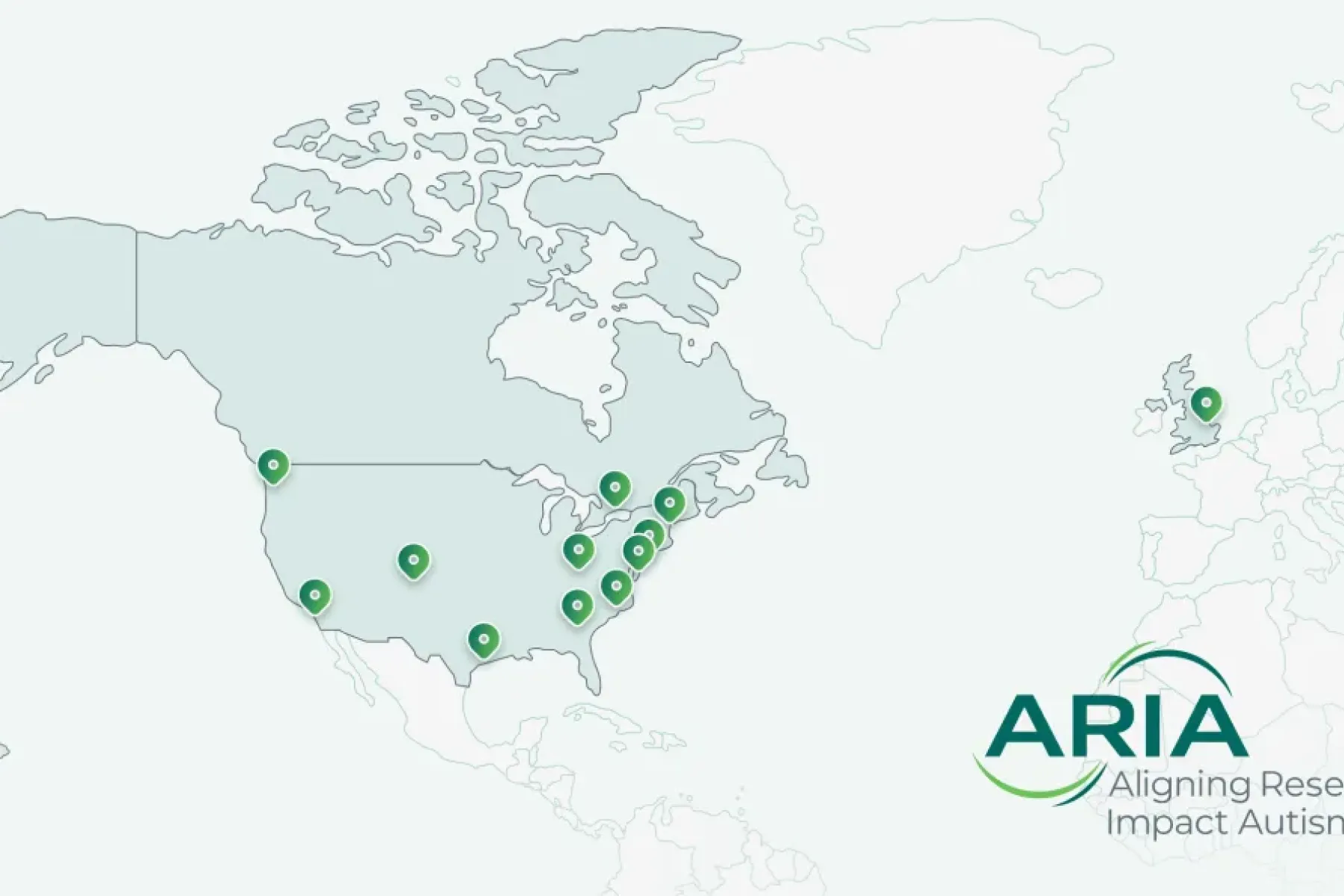
Oxford University and King’s College London Join IMPACT Network Study to Advance Understanding of Profound Autism
The University of Oxford and King’s College London (King’s) have joined the Innovative Medicine and Precision Approaches to Clinical Trials (IMPACT) Network, an international collaboration of sites working together to accelerate clinical trial readiness and therapeutic development for autism through a large-scale natural history and clinical endpoint study.

New gene therapy video series
The CoRE is proud to support the launch of Genes, Brains, and Breakthroughs, a new educational campaign designed to raise public awareness and understanding of neurodevelopmental disorders through a series of accessible, family-informed video resources.
YouTube: https://www.youtube.com/@MRCCoRETG
TikTok: https://www.tiktok.com/@genebrainbreakthrough
Instagram: https://www.instagram.com/genebrainbreakthrough/
Click through for more info!
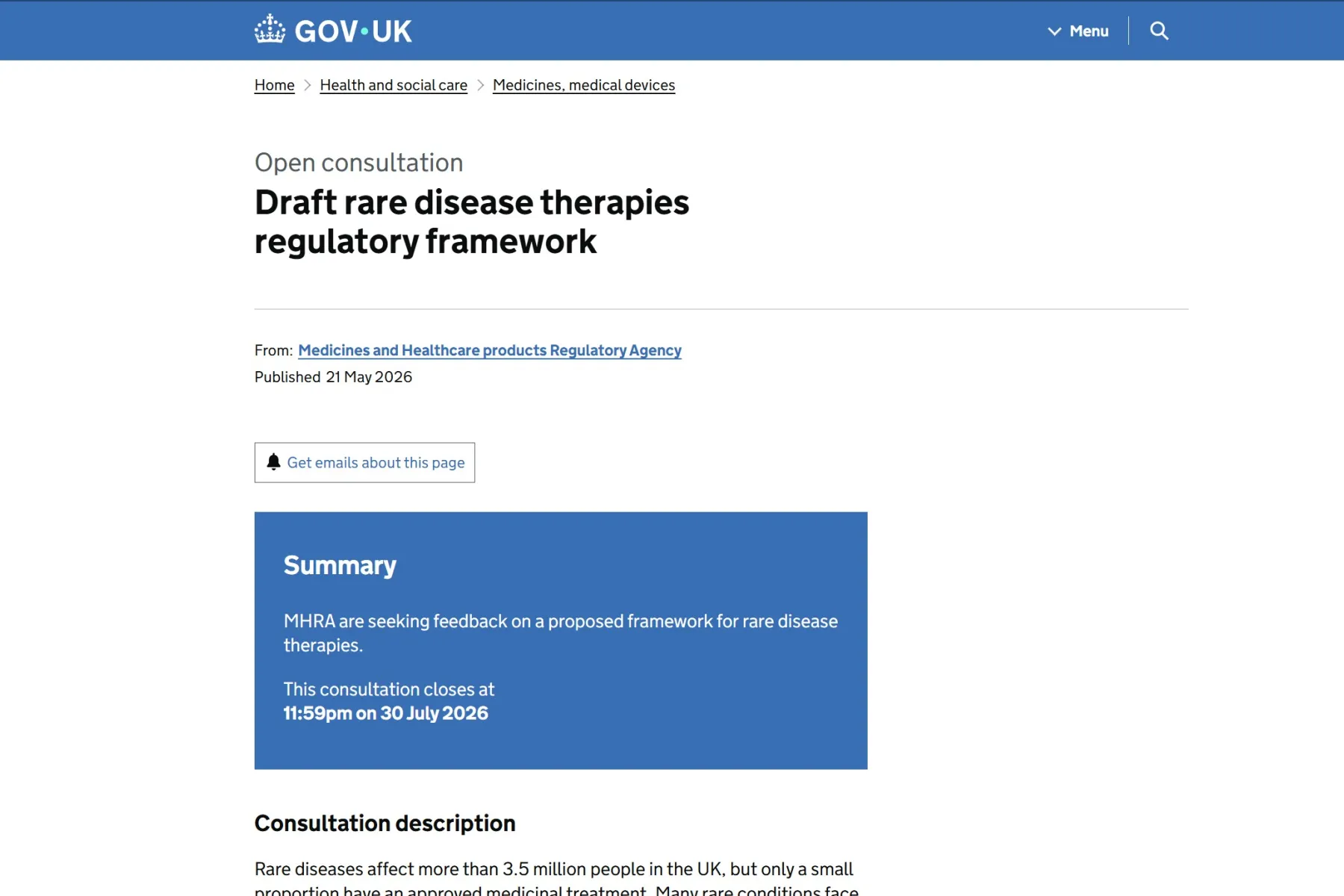
Consultation on UK rare disease therapy regulation
The UK Medicines and Healthcare products Regulatory Agency (MHRA) has opened its consultation on the Draft rare disease therapies regulatory framework. The CoRE will be sending in a response, and notes that patients and the general public are also invited to respond.
For more, see https://www.gov.uk/government/consultations/draft-rare-disease-therapies-regulatory-framework

Early Career Investigator Award for Emilie Wigdor
Congratulations to Emilie Wigdor on receiving the Early Career Investigator Award from the International Society for Autism Research at INSAR 2026. This award recognises her impactful work on the role of common variants in rare neurodevelopmental conditions.
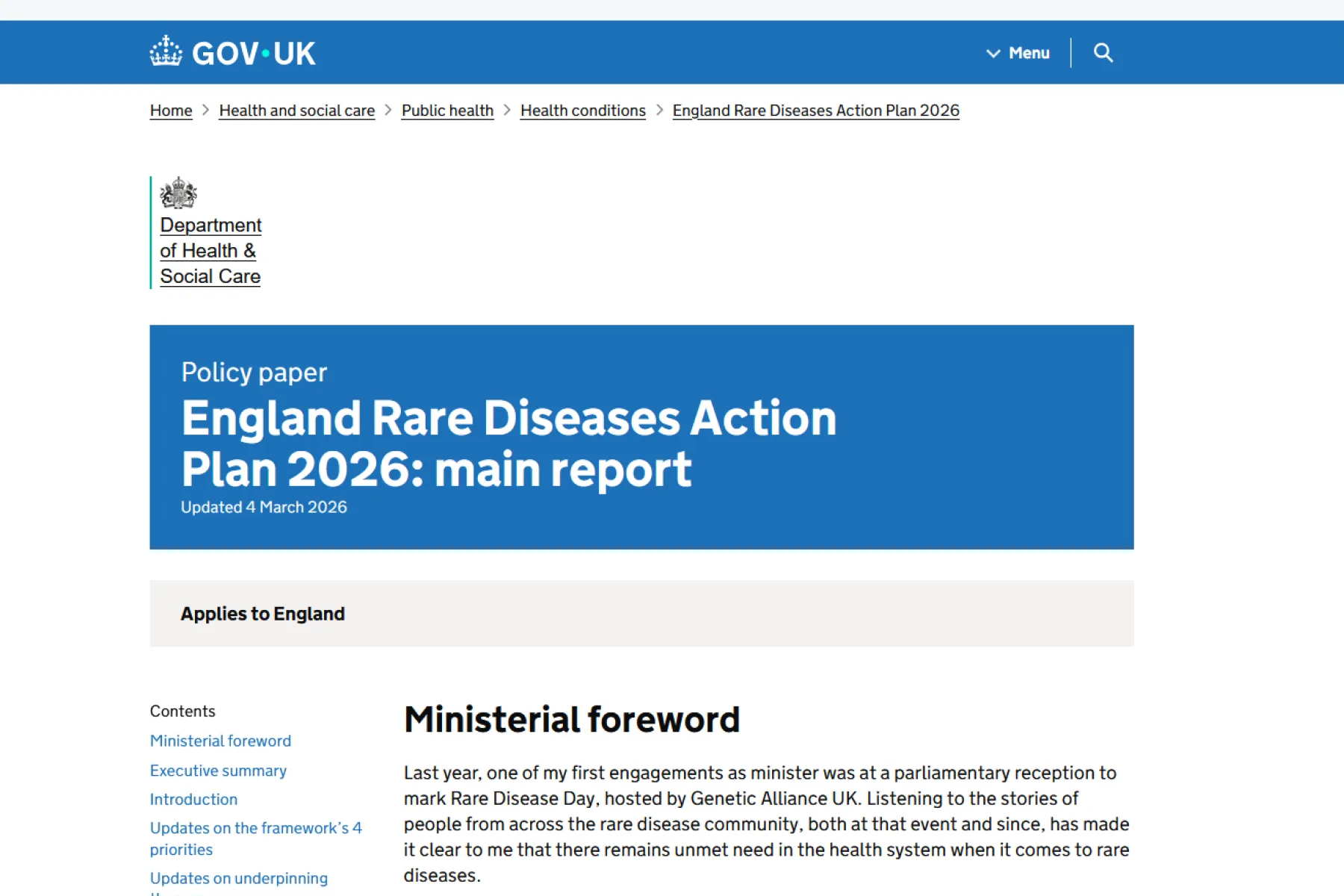
MRC CoRE part of England Rare Diseases Action Plan 2026
MRC CoRE TG namechecked as part England's national strategy for rare diseases in 2026

Nicky Whiffin in Alternative Honours List
Nicky Whiffin was named in The Sunday Times Alternative Honours List of 2025, for her role in helping to discover the genetic basis of ReNU syndrome - a previously unexplained neurodevelopmental disorder.
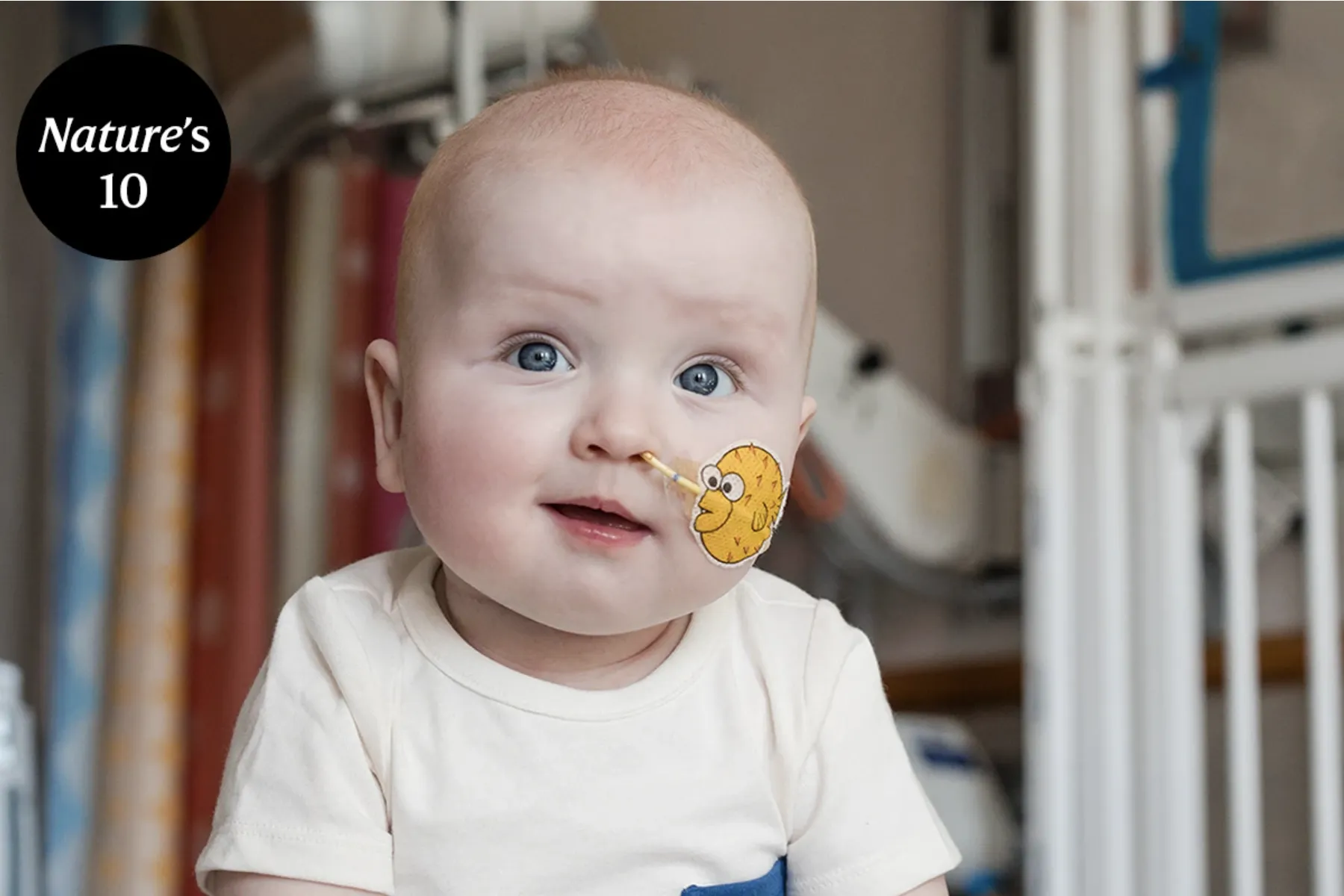
Baby KJ in Nature Top 10
Kyle Muldoon Jr has been named in the 2025 Nature's 10 list, as the first recipient of personalised CRISPR therapy.