
Research themes
Our research clusters around five major areas
Therapy applications for blood, eye, and brain (using a variety of gene therapy techniques)
Delivery vehicles, to get the gene therapies into the cells where they are needed
Genomics tools for handling data, finding patients, and predicting
- whether an individual’s condition is treatable with our current tools
- which combination of tools might be most effective
- which potential unwanted effects we should take extra care to avoid
We also have five cross-cutting themes, which inform all the work we do
Patient and Public Involvement and Engagement - we need to work in partnership with patients, their families, and the wider community.
Training - we need to support researchers to unlock their potential, use all their talents and learn to work as Team Scientists.
Regulatory Engagement - the Therapeutic Genomics approach is a completely different way of thinking about medicines. We need to work with regulators to find ways to deliver these new therapies where they are needed, safely and quickly.
Health Economics - we need to ensure our therapies can actually be delivered by local health services and covered by health insurance.
Equality, Diversity and Inclusion - we need therapies for all, by all.
Research themes

Blood
Working to develop a robust, end-to-end pipeline for gene editing therapies, starting with T-cell approaches. The initial focus is on primary immune deficiencies associated with Epstein-Barr virus (EBV), but we also help to create a template for "how to deliver gene therapies" with every step in the process from patient engagement and consultation, through to regulatory approval. We hope to be ready to submit a Clinical Trial Application by September 2027.

Eye
The Eye Theme is working to develop and validate multiple, distinct gene therapy strategies for inherited retinal diseases (IRDs) and age-related macular degeneration (AMD). We will work on three parallel projects exploring different therapeutic modalities to address the diverse genetic causes of blindness, to develop a comprehensive approach to ophthalmic gene therapy in vivo.

Brain
The Brain Theme is concentrating its efforts on neurological diseases, aiming to systematise therapeutic discovery by: deploying a CRISPR/dCas13-based perturbation platform (CRISPR-Lock) to upregulate protein expression in haploinsufficient disorders, disrupting upstream open reading frames (uORFs), and leveraging large language models (LLMs) to predict optimal ASO sequences; critically, the UCL team also aims to test allele-selective ASOs in first-in-human clinical studies by September 2027.

Delivery
The strategic mission of the Delivery Theme is to overcome the challenge of transporting therapeutic agents across the blood-brain barrier (BBB) to treat neurological diseases.
We will screen and validate new delivery vectors, beginning with an rAAV capsid library screened specifically to address the challenge of delivering therapies developed by the Brain Theme to key regions like the cortex and striatum. The theme’s expertise and capacity for vector manufacturing will also help with therapy design and supply for other research themes.

Genomics
The analytical engine of the MRC CoRE, providing a centralised, CoRE-wide toolkit and data framework. Their work includes two major strands: first, to create decision-support tools and computational models to guide the therapeutic development efforts of the Blood, Brain, and Eye themes; and second, to identify patients and genetic variants amenable to nucleic acid therapies - working closely with our PPIE Manager to develop effective and ethical communication with patients.
Research projects

Automated cell culture and screening at scale
Using the CellXpress.ai platform for faster and more standardised testing of potential therapies

Delivering across the BBB
Generating and testing vectors that can cross the blood-brain barrier

Non-AAV delivery to retina
Investigating alternatives to adeno-associated viral (AAV) vectors, to deliver base editors to the eye

EBV-handling disorders
Ex vivo gene editing for five target genes
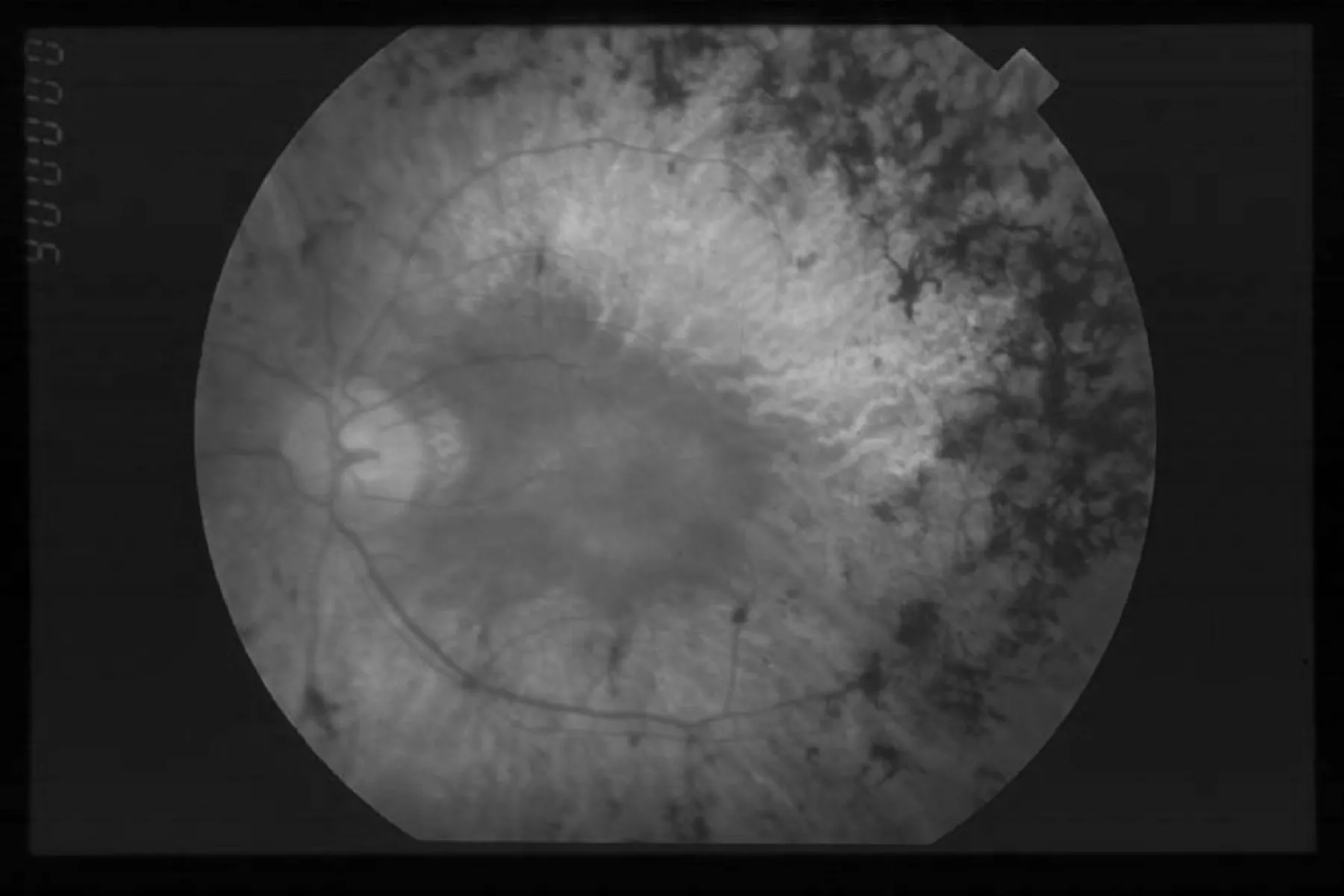
Gene replacement in Retinitis Pigmentosa
Working to restore functional protein expression
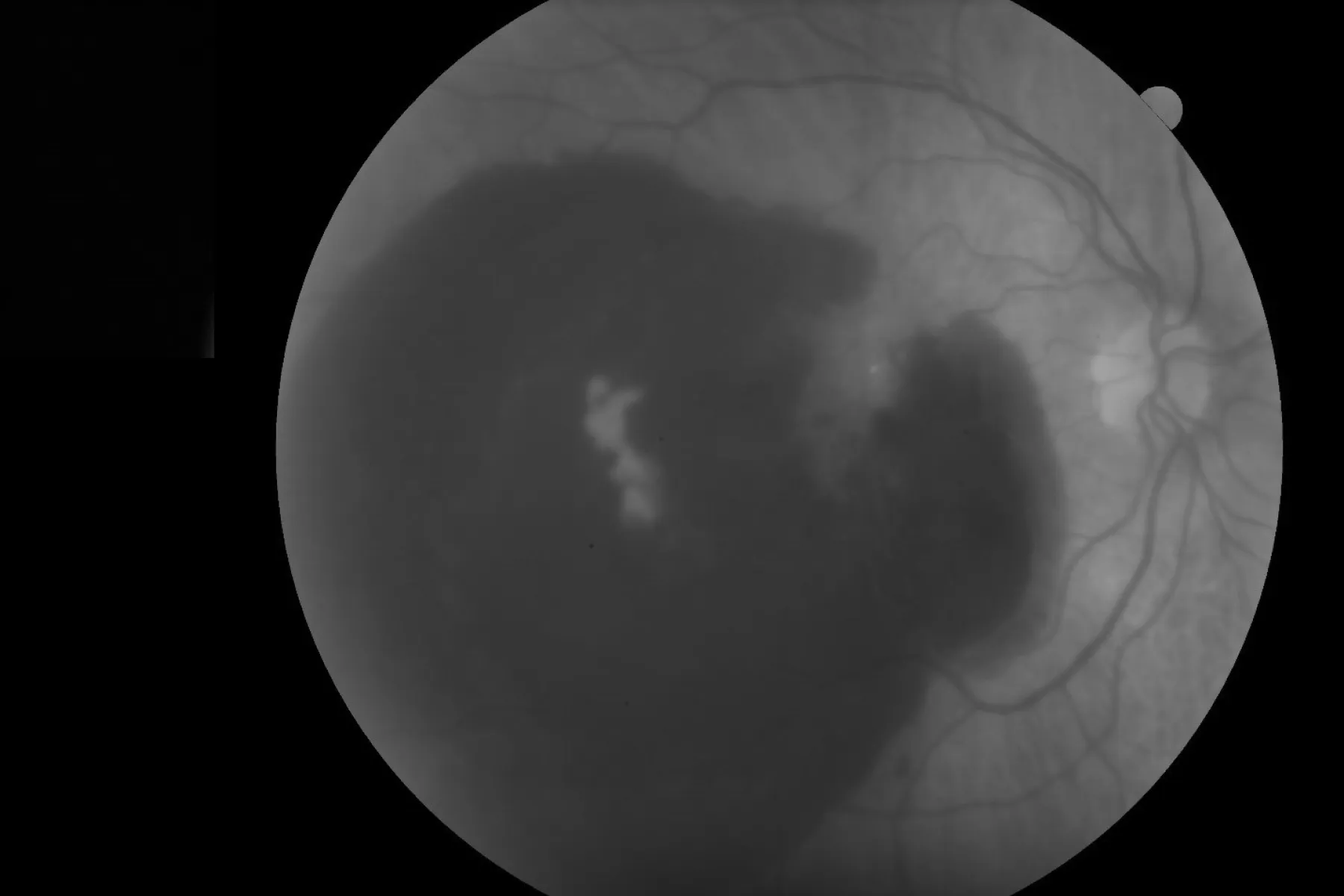
Gene knockdown in Wet AMD
Working to control AMD using CRISPR

OligoAI
Learning everything we can from the available literature

GeneDB
Pulling together all the available information on genes

GeneSYS
Pulling together all the available information on editing

Upregulation
Upregulation approaches using CRISPR-Lock and uORF disruption

Downregulation
Downregulation approaches using allele-selective ASOs and exon 1 HTT-targeting siRNAs

Automated assessment
How much can we tell about a particular variant

Identify and contact patients
Finding patients when we learn more about how to treat their conditions

Health Economics
Who can afford these treatments?
We are committed to fostering a research culture that enables excellence—scientifically, personally, and collectively. Our culture is shaped by our shared purpose: to advance and accelerate transformative genomic therapies that improve patients’ lives. This purpose guides our decisions, our partnerships, and the way we work together.
Patients and the public are at the heart of our mission. We prioritise research that is meaningful, ethical, and responsive to real-world needs. By embedding patient and public involvement throughout the research lifecycle, we ensure our science remains grounded, accountable, and impactful.
Therapeutic genomics demands interdisciplinary expertise, and we embrace a Team Science approach that values collaboration over competition. We cultivate an environment where diverse perspectives—across disciplines, career stages, and partner organisations—are recognised as essential. By encouraging open dialogue and shared problem-solving, we accelerate innovation and foster a sense of collective ownership.
We champion transparent, reproducible, and responsible research practices. Our community is committed to data sharing, open communication, and robust scientific standards. These principles strengthen trust, support high-quality outcomes, and enable others to build on our work.
People are central to our research culture. We aim to create an environment where everyone feels respected, valued, and able to thrive. We promote equity, diversity, and inclusion in all aspects of our Centre, and we invest in training, mentoring, and career development to support our researchers at every stage.
Curiosity, creativity, and scientific ambition drive us. We support responsible risk-taking, interdisciplinary idea generation, and the adoption of emerging technologies. By creating the conditions for innovation, we accelerate the translation of genomic discoveries into real-world solutions.
Our research culture will grow from the priorities and contributions of our community. Through continuous engagement, reflection, and improvement, we ensure that our culture remains relevant, inspiring, and fit for the future.