Genome-scale functional mapping of the mammalian whole brain with in vivo Perturb-seq
Publication details
Abstract
Functional genomics studies have provided critical insights into cell type-specific gene regulatory programs, but to date most have been conducted in wild-type tissues or cell cultures. Here, we present a gene expression functional atlas across the mouse brain. We use an enhanced in vivo Perturb-seq platform to analyze transcriptome-wide responses to loss of 1,947 disease-associated genes, profiling over 7.7 million cells spanning major brain regions and neuronal populations. We find striking cell-type-specific essentiality and transcriptional programs and show that closely related disease genes such as two NMDA receptor subunits can drive opposing transcriptional programs. Together, this work reveals insights into the genetics and mechanisms of neurodevelopmental, psychiatric, and neurodegenerative diseases in vivo, paving the way for the design of future genetic medicine.
Genome-scale functional mapping of the mammalian whole brain with in vivo Perturb-seq
Tuo Shi, Maria Korshunova, Seoyeon Kim, David DeTomaso, Xinhe Zheng, Lavanya Vishvanath, Thokozile Nyasulu, Nhan Huynh, Alexander Sun, Patrick C Thompson, Yifan Zhang, Emilie M Wigdor, Narjes Rohani, Salma Ali, Huixian Qiu, Michael Geralt, Ziyan Zhao, Sara Rabhi, Zizhen Yao, Cindy Tj van Velthoven, Joseph R Nery, Rosa Gomez Castanon, Severin Dicks, Tiffany J Chen, Joseph R Ecker, Hongkui Zeng, Grace Xy Zheng, Stephan J Sanders, Laksshman Sundaram, Xin Jin
Summary
This preprint maps how nearly 2,000 disease-linked genes affect different cells in the mouse brain. Researchers studied more than 7.7 million cells after switching off these genes.
They found that the same gene can have different effects in different brain cells. The study may help scientists understand how genetic conditions affect the brain and guide future treatments.
Keywords: gene testing in living mice, brain genetics, mouse brain, single-cell testing, disease-linked genes, brain development conditions, mental health conditions, effects in different cell types, CRISPR gene changes, genetic medicine
Related publications
The alternative androgen receptor isoform A mitigates toxicity of polyglutamine-elongated mutant androgen receptor in spinal and bulbar muscular atrophy
Beyond innovation: why rare disease gene therapy needs a reset
Efficacy and safety of risdiplam in patients with type 1 spinal muscular atrophy: a 3-year open-label extension of the two-part, phase 2 FIREFISH trial
A Validated Prognostic Score for Time to Loss of Ambulation in Patients With Duchenne Muscular Dystrophy
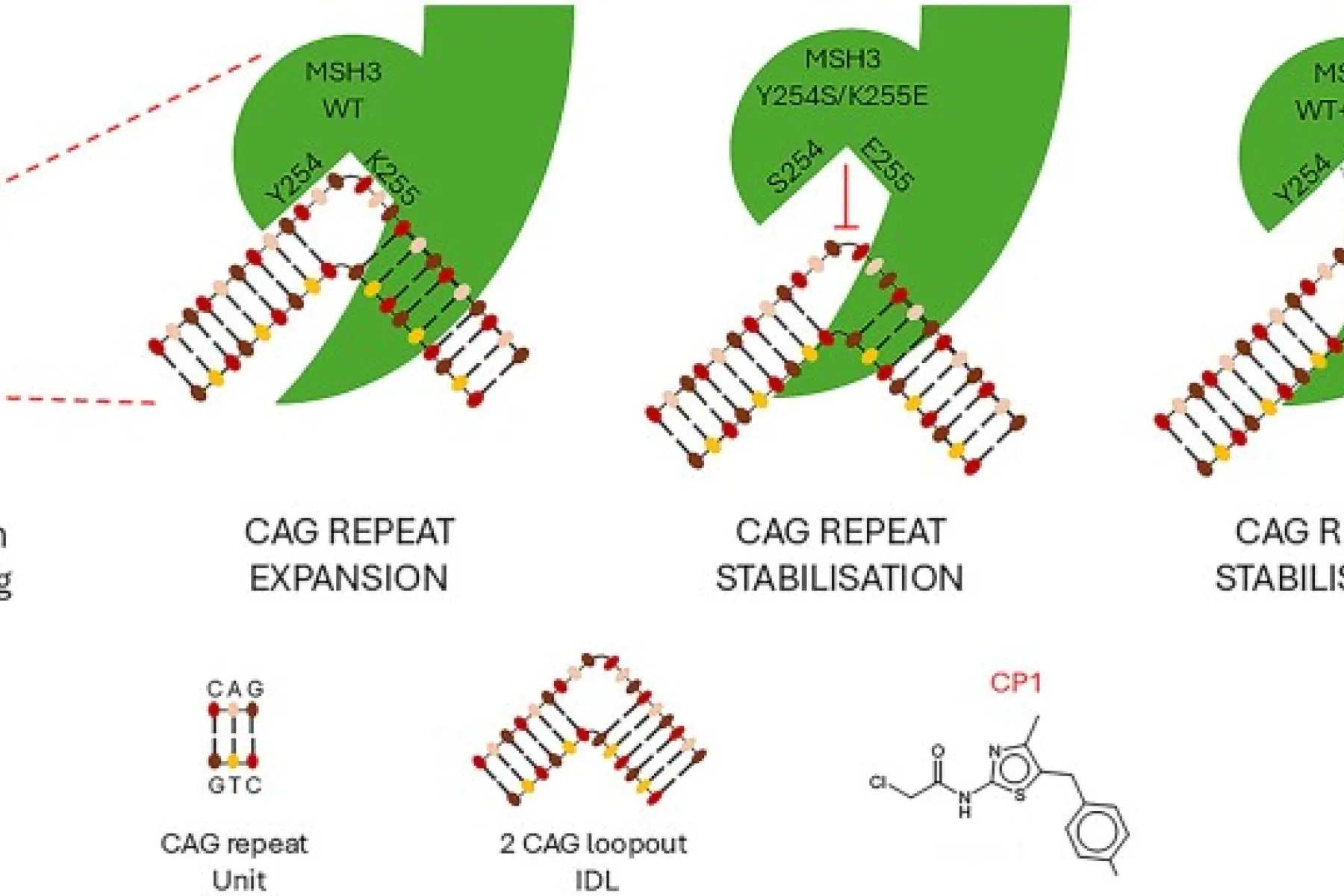
Genetic or pharmacological disruption of the MSH3 Y245/K246 IDL binding pocket slows CAG repeat expansion

Health economic evaluations of genomic newborn screening: Approaches by studies within the international consortium on newborn sequencing
Targeting toxic HTT1a could be the key to treating Huntington's disease

Spatial transcriptomics implicates the thalamus and cortex in autism and schizophrenia
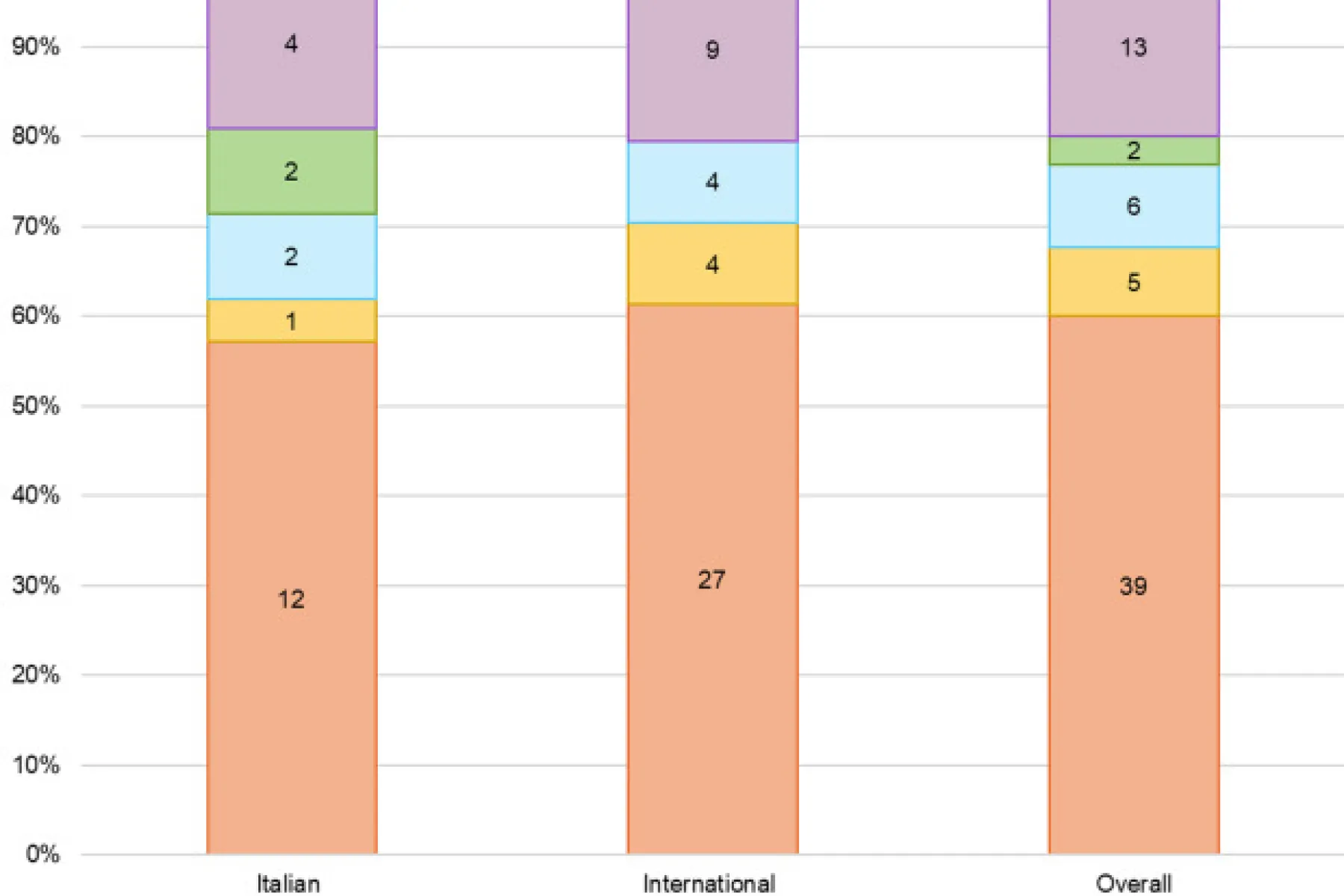
The phenotypic spectrum and genetic determinants of severe spinal muscular atrophy in individuals with a single SMN2 copy: an international retrospective observational study