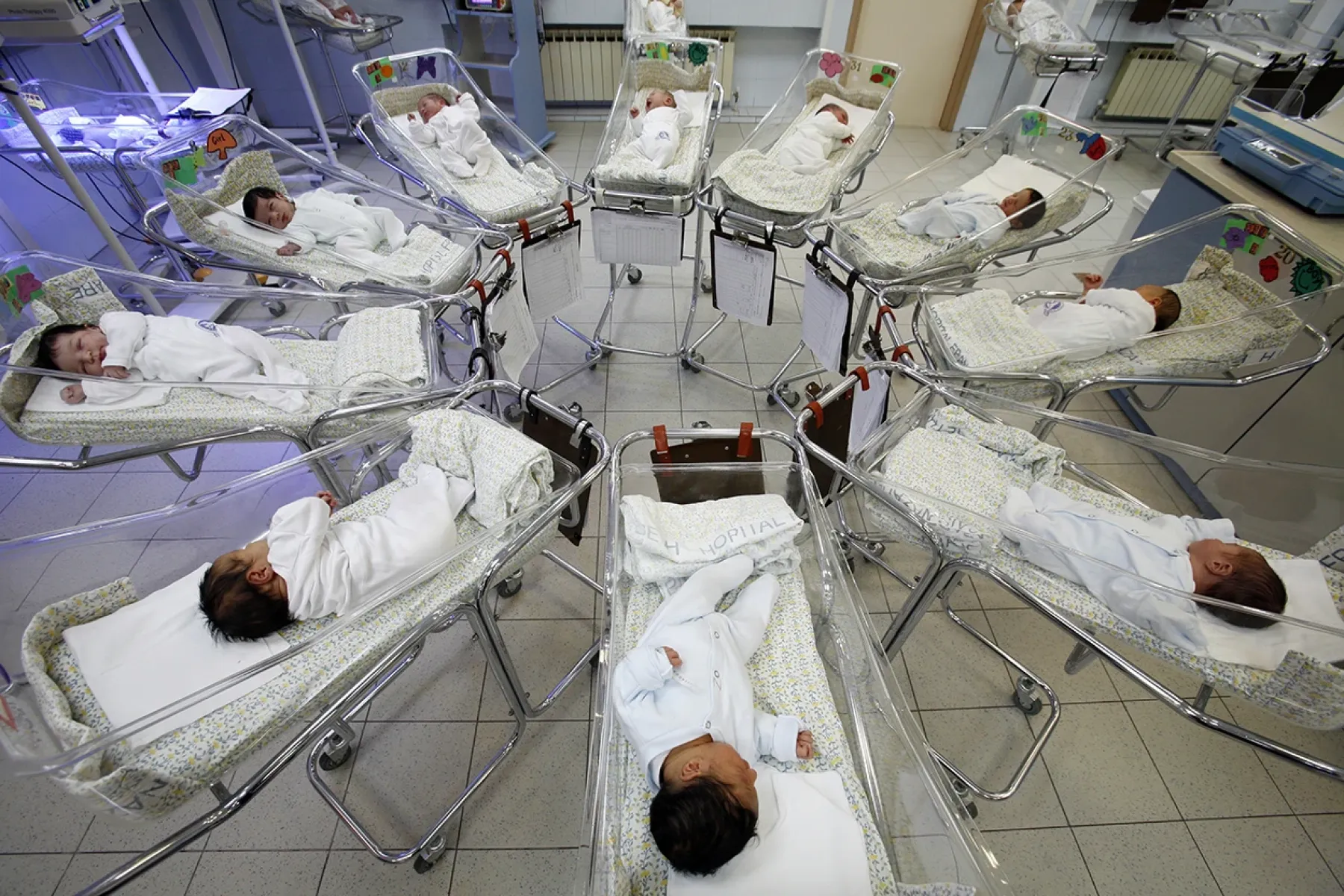
Crossing the finish line towards a disease-modifying treatment for Angelman syndrome
Publication details
Summary
This review, published in the J Neurodev Disord, looks at how close scientists are to a treatment that could change Angelman syndrome itself, not just the symptoms. It says that new gene therapies are moving forward, but the trials still face important problems, and the authors set out the main things researchers need to solve to help make a real treatment work.
The paper suggests that Angelman syndrome may help show how gene therapies could work for other single-gene brain conditions too.
Keywords: Angelman syndrome, gene therapy, neurodevelopmental disorder, disease-modifying treatment, clinical trials, single-gene disorders, brain development.
Abstract
Recent progress in the development of genetic therapies promises that impactful treatments for single-gene neurodevelopmental disorders are imminent. But can derailed neurodevelopmental processes be mended after broken genes are replaced or otherwise restored? The results of ongoing clinical trials for Angelman syndrome will soon yield answers to this pressing question, yet the trials face significant obstacles. Here we identify insights needed to aid the quest for a disease-modifying Angelman syndrome therapy, which could serve as a roadmap for the expeditious development of genetic therapies for other single-gene neurodevelopmental disorders.
Related publications
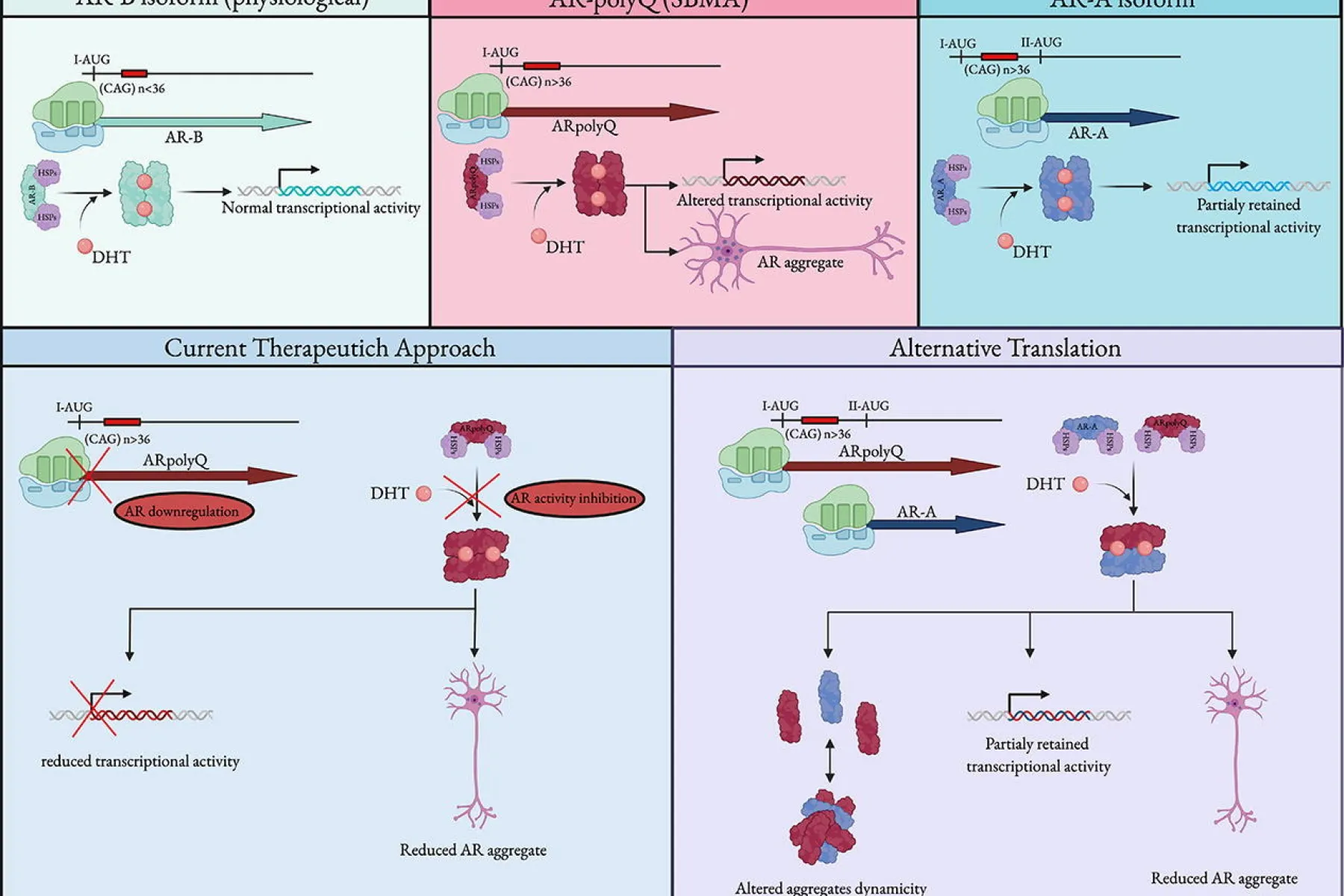
The alternative androgen receptor isoform A mitigates toxicity of polyglutamine-elongated mutant androgen receptor in spinal and bulbar muscular atrophy
Beyond innovation: why rare disease gene therapy needs a reset
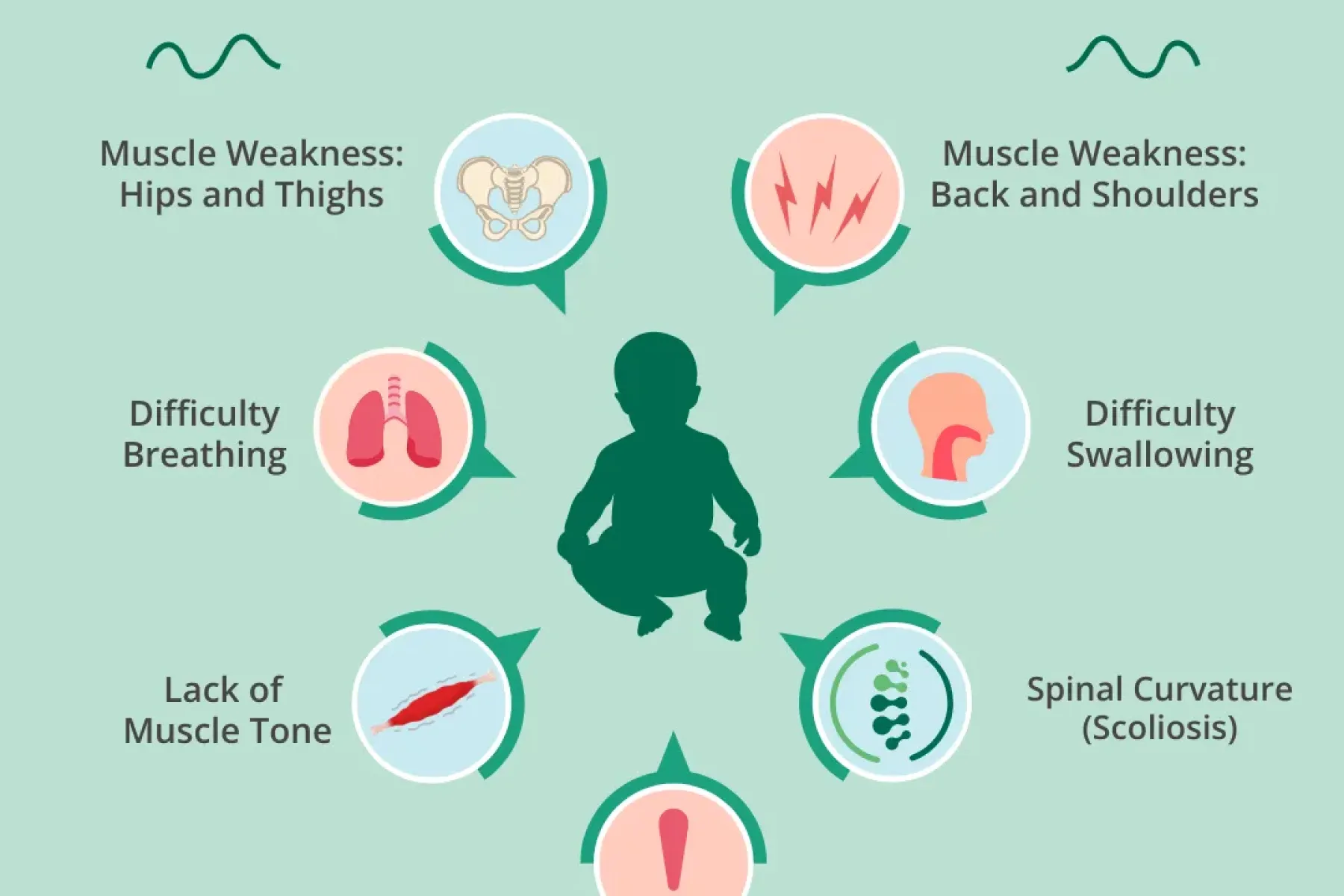
Efficacy and safety of risdiplam in patients with type 1 spinal muscular atrophy: a 3-year open-label extension of the two-part, phase 2 FIREFISH trial
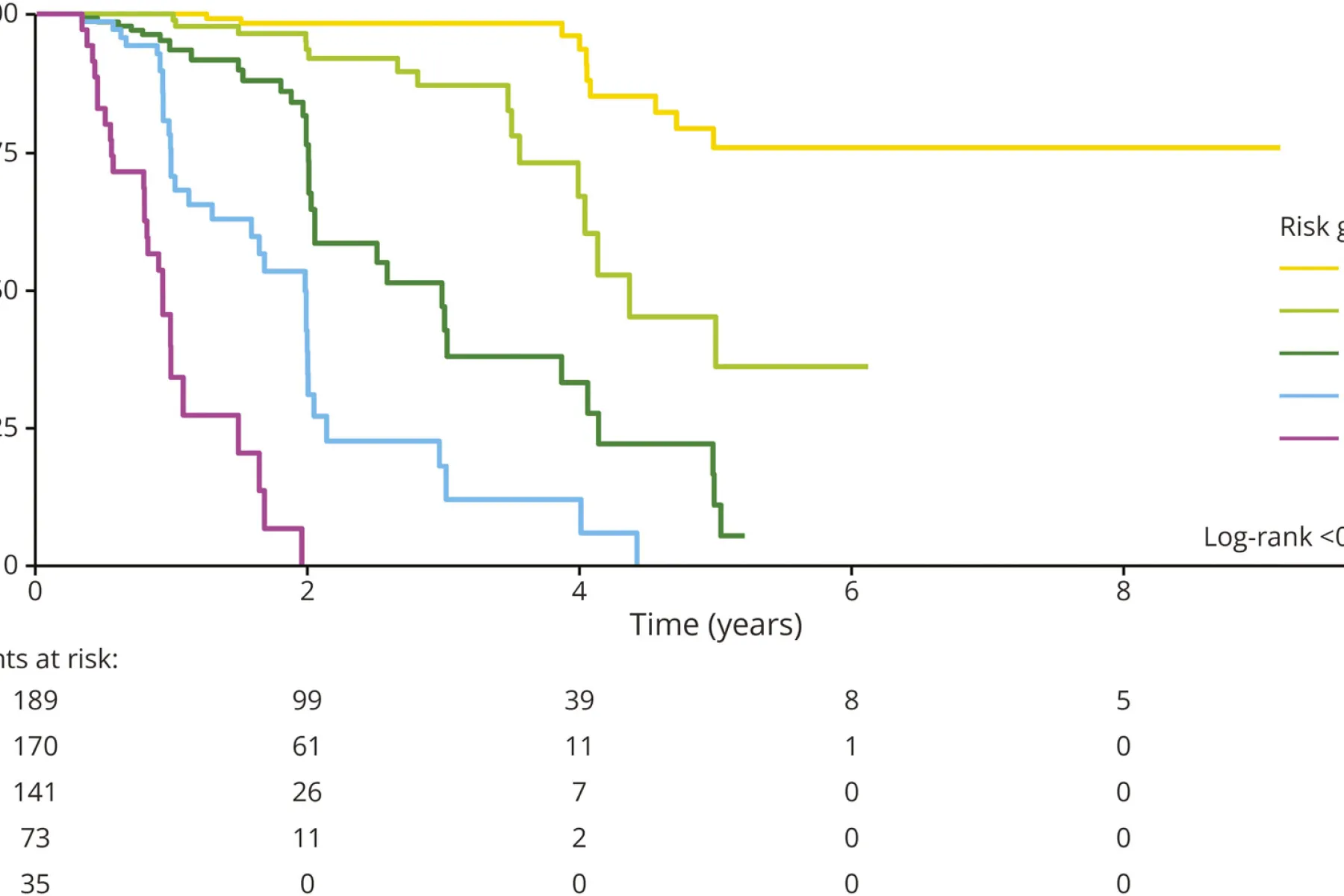
A Validated Prognostic Score for Time to Loss of Ambulation in Patients With Duchenne Muscular Dystrophy
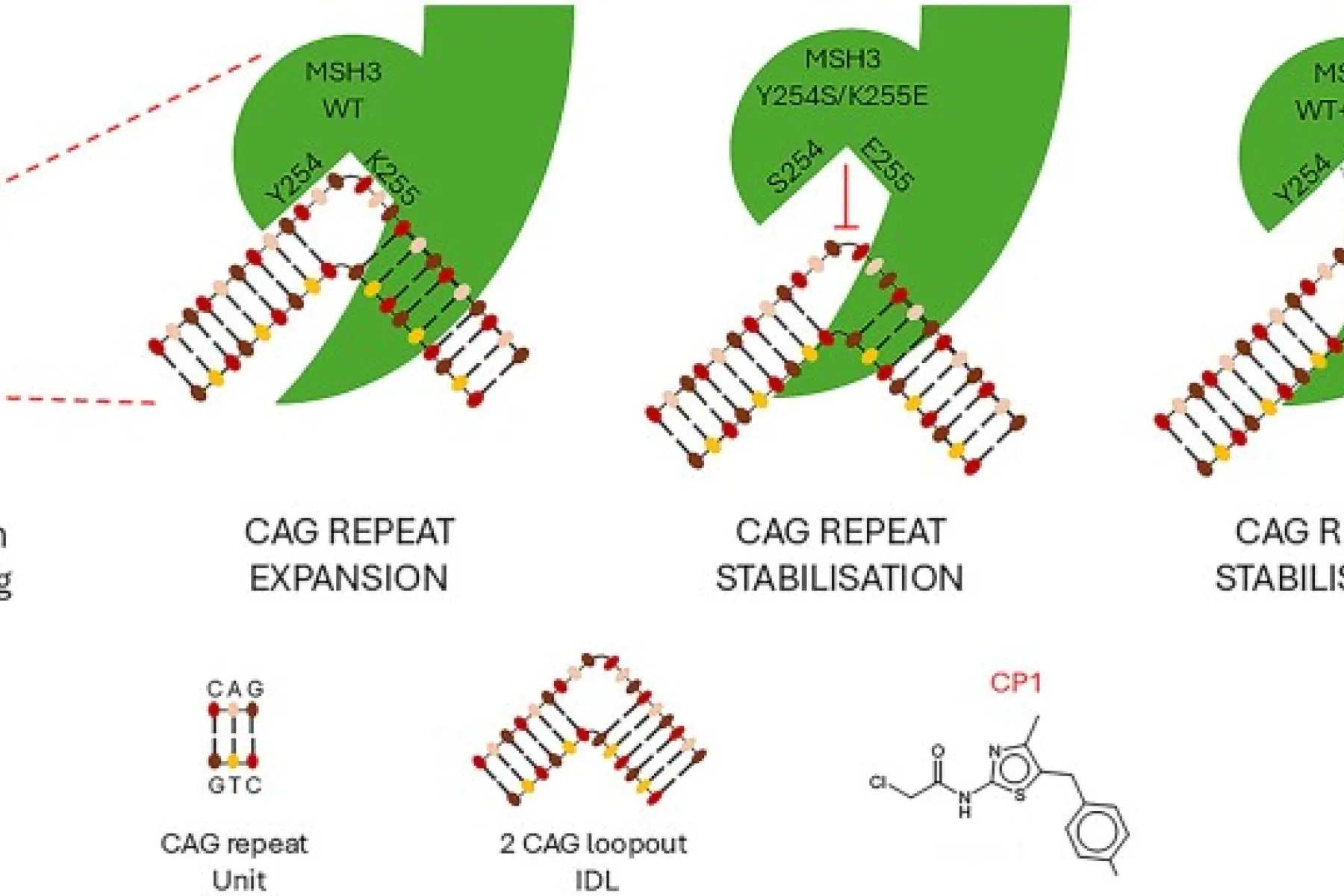
Genetic or pharmacological disruption of the MSH3 Y245/K246 IDL binding pocket slows CAG repeat expansion

Health economic evaluations of genomic newborn screening: Approaches by studies within the international consortium on newborn sequencing
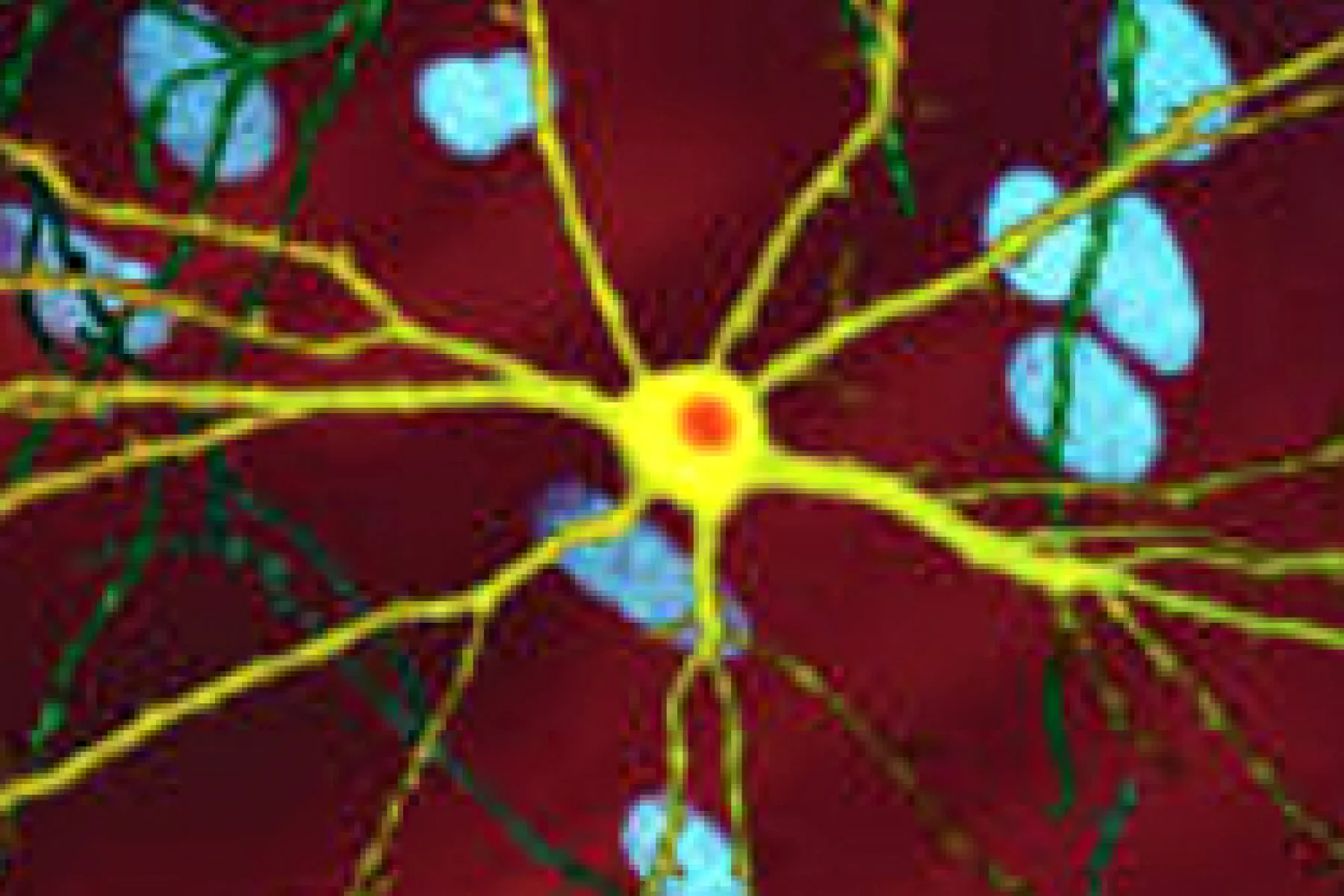
Targeting toxic HTT1a could be the key to treating Huntington's disease
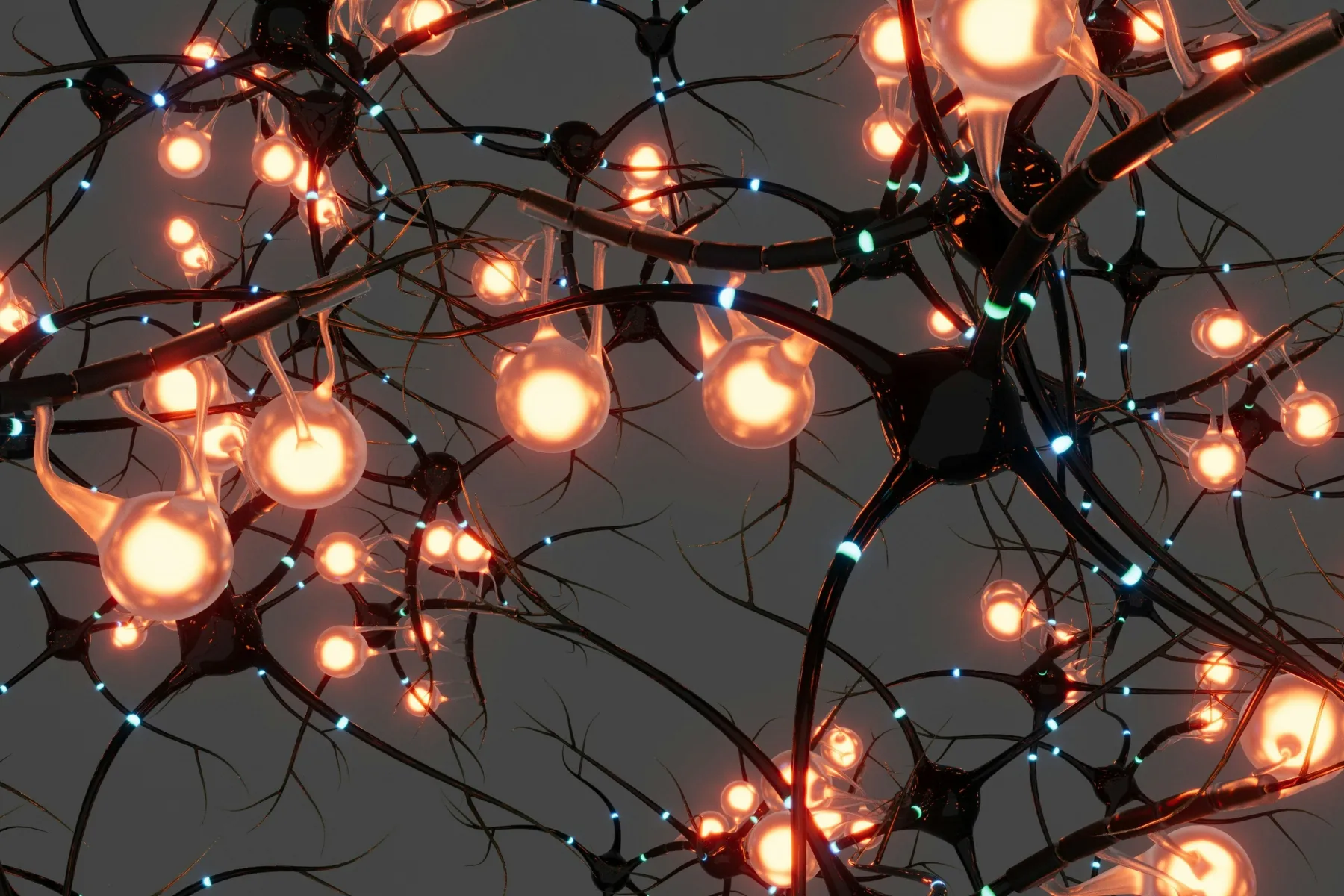
Spatial transcriptomics implicates the thalamus and cortex in autism and schizophrenia
The phenotypic spectrum and genetic determinants of severe spinal muscular atrophy in individuals with a single SMN2 copy: an international retrospective observational study