Arrayed dual-gRNA CRISPR screening platform for C9orf72 repeat expansion excision in patient iPSCs
Publication details
Summary
This study, published in Molecular Therapy Advances, is a regular journal article, not a preprint. It looks at a way to use CRISPR to cut out a harmful DNA repeat in the C9orf72 gene in patient stem cells. The team tested 120 pairs of guide RNAs and found that some worked better than others. They also found that the more useful guide pairs were usually the ones with stronger cutting signals on their own, but these still had to be checked carefully in the lab. Overall, the study gives researchers a useful way to find better CRISPR tools for C9orf72 repeat diseases such as frontotemporal dementia and motor neurone disease.
Keywords: C9orf72, CRISPR, dual-gRNA, repeat expansion, patient iPSCs, frontotemporal dementia, motor neurone disease, amyotrophic lateral sclerosis, gene editing, off-target effects.
Abstract
An intronic hexanucleotide repeat expansion in C9orf72 is the leading genetic cause of both frontotemporal dementia and amyotrophic lateral sclerosis (C9-FTD/ALS). We have previously demonstrated that CRISPR-Cas9 excision of the repeat expansion in patient iPSCs reverts pathological hallmarks of C9-FTD/ALS. Here, we aim to identify efficient and safe gRNAs for CRISPR-spCas9 dual-gRNA excision of the C9-repeat expansion. Utilizing novel ddPCR and single-molecule sequencing assays, we screened 120 gRNA pairs, comparing 64 bi-allelic, intronic excisions of the repeat region to 56 allele-specific excisions of the mutant allele in patient iPSCs, ranking them by efficiency. Bi-allelic excisions of the intronic repeat region were more efficient than excisions of the mutant allele. Single gRNA indel rates can nominate likely efficient gRNA pairs, but these pairs must be tested empirically. The length of the repeat expansion did not impact excision efficiency; rather, the activity of individual gRNAs drove excision efficiencies. Using whole genome sequencing and INDUCE-seq, we found only one detectable off-target of those nominated by Cas-OFFinder and CHANGE-seq across 4 of the most efficient gRNAs. This study advances the development of targeted therapies for C9-FTD/ALS and establishes a framework for dual-gRNA screening in patient iPSCs applicable to other repeat expansions.
Related publications
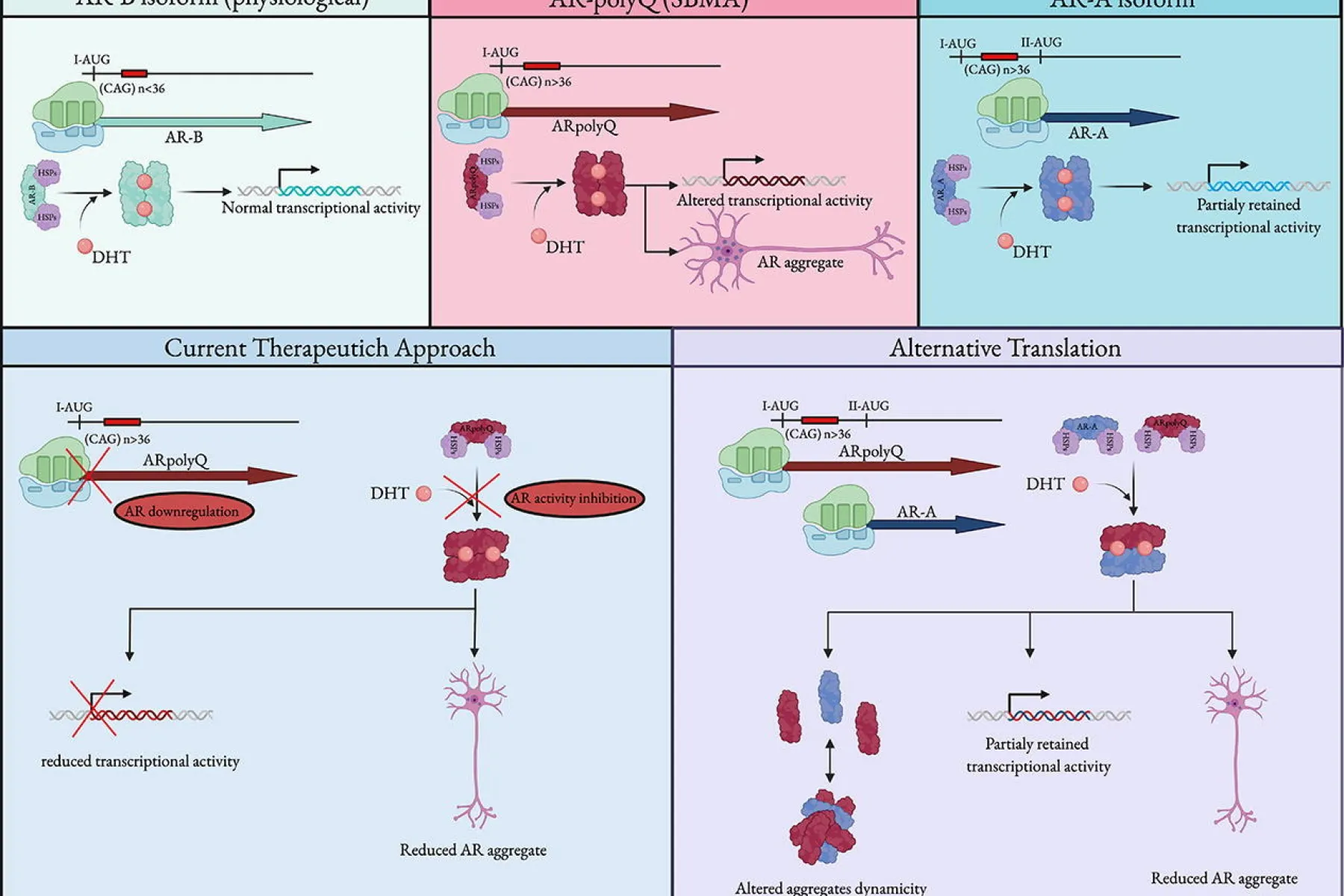
The alternative androgen receptor isoform A mitigates toxicity of polyglutamine-elongated mutant androgen receptor in spinal and bulbar muscular atrophy
Beyond innovation: why rare disease gene therapy needs a reset
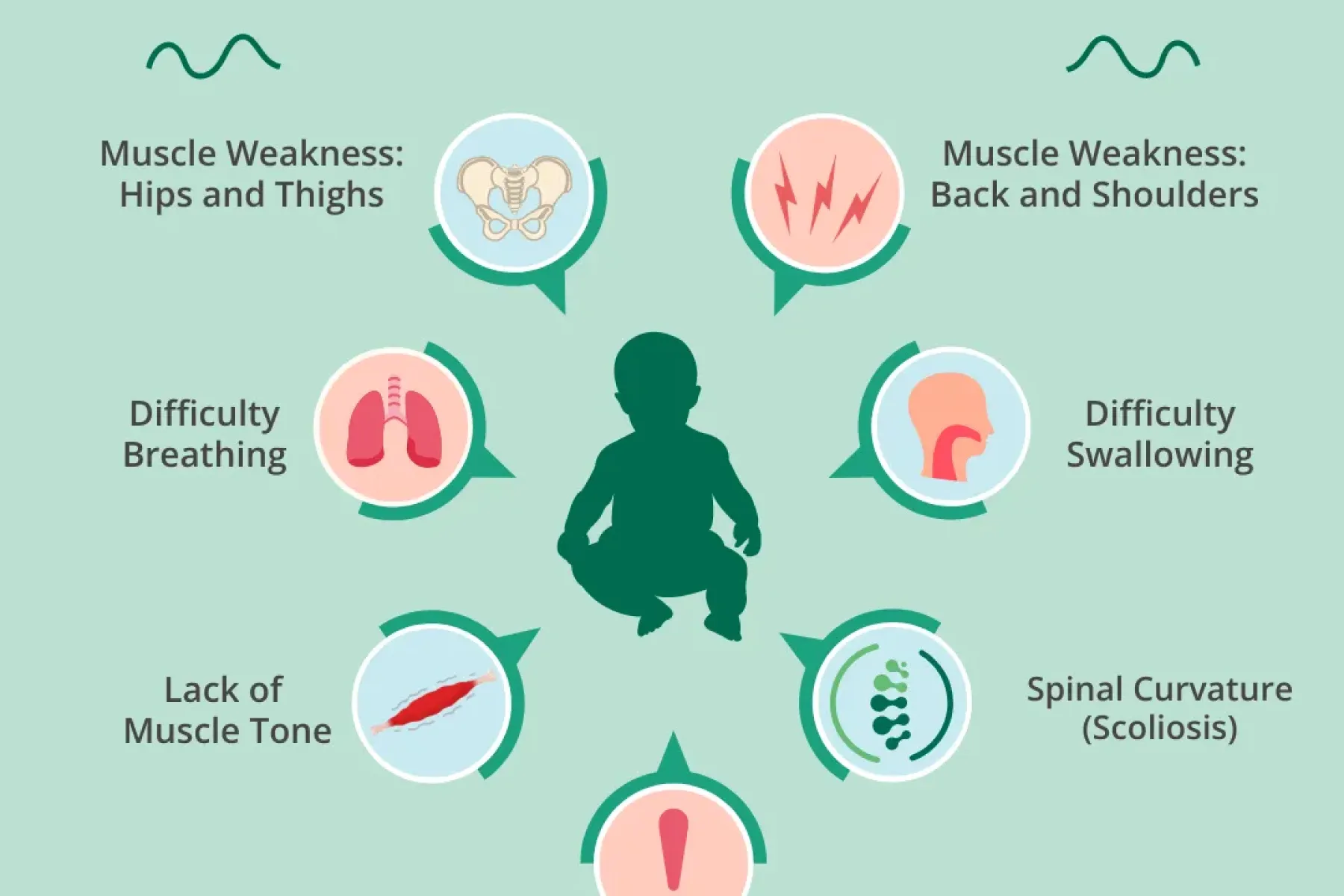
Efficacy and safety of risdiplam in patients with type 1 spinal muscular atrophy: a 3-year open-label extension of the two-part, phase 2 FIREFISH trial
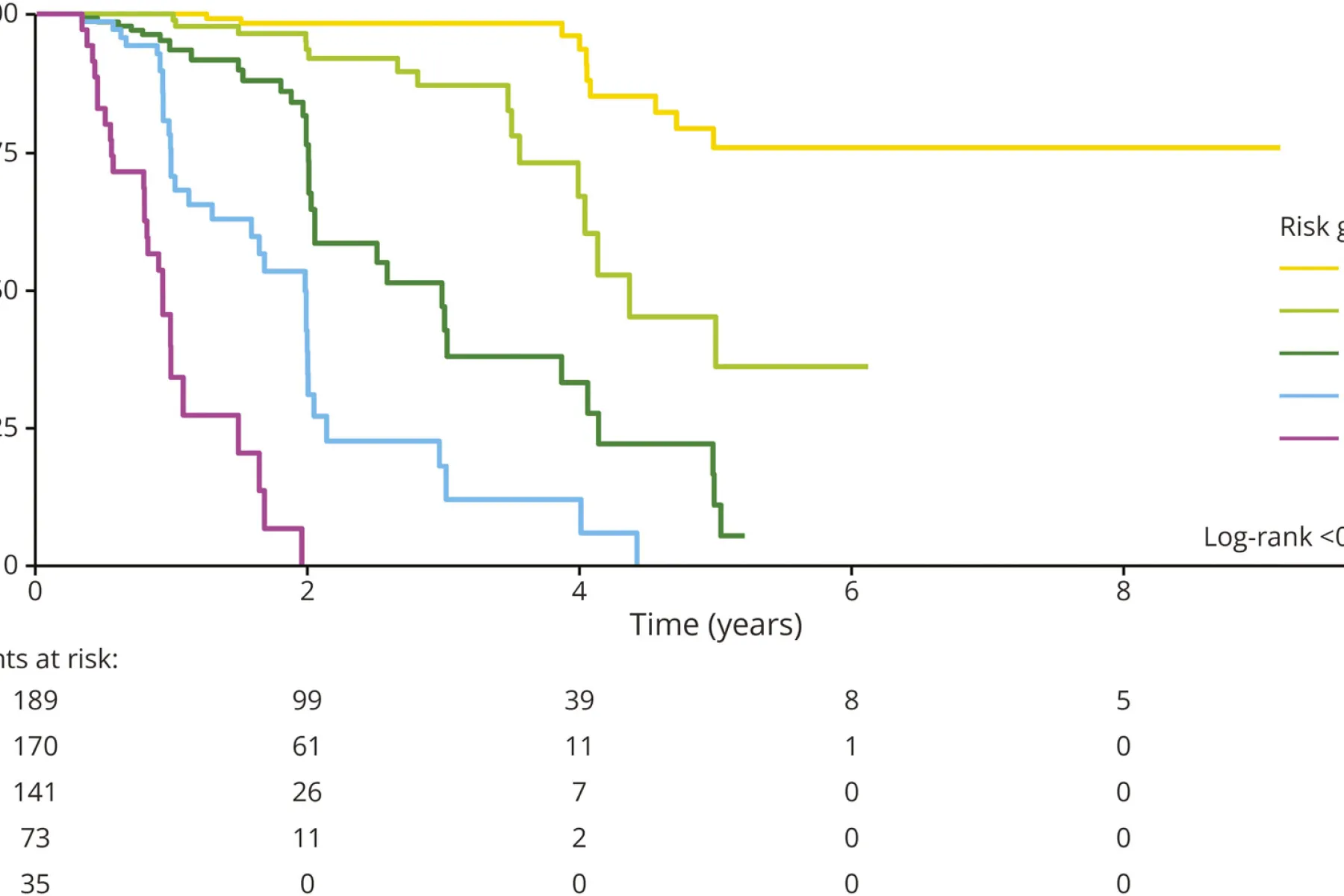
A Validated Prognostic Score for Time to Loss of Ambulation in Patients With Duchenne Muscular Dystrophy
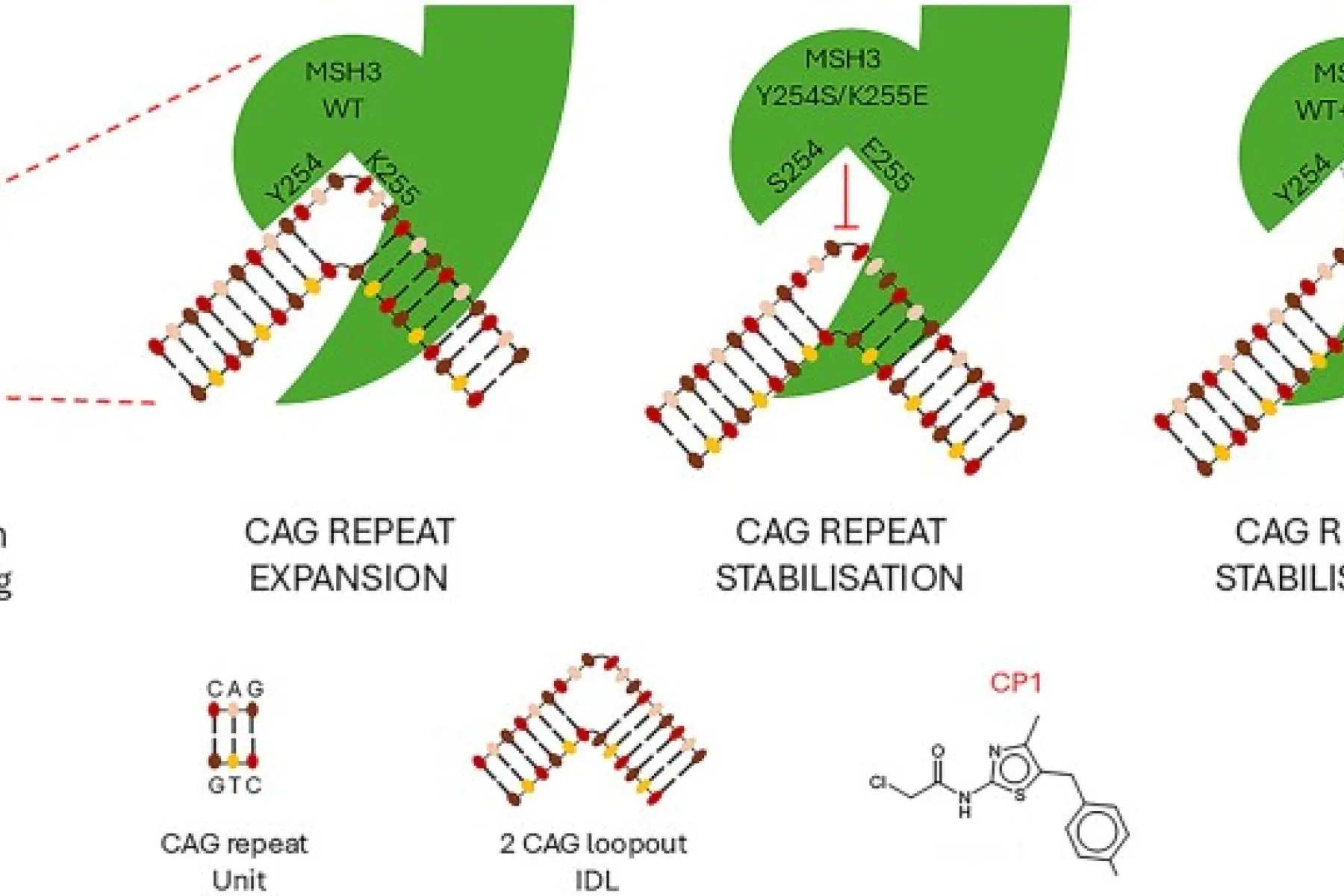
Genetic or pharmacological disruption of the MSH3 Y245/K246 IDL binding pocket slows CAG repeat expansion

Health economic evaluations of genomic newborn screening: Approaches by studies within the international consortium on newborn sequencing
Targeting toxic HTT1a could be the key to treating Huntington's disease

Spatial transcriptomics implicates the thalamus and cortex in autism and schizophrenia
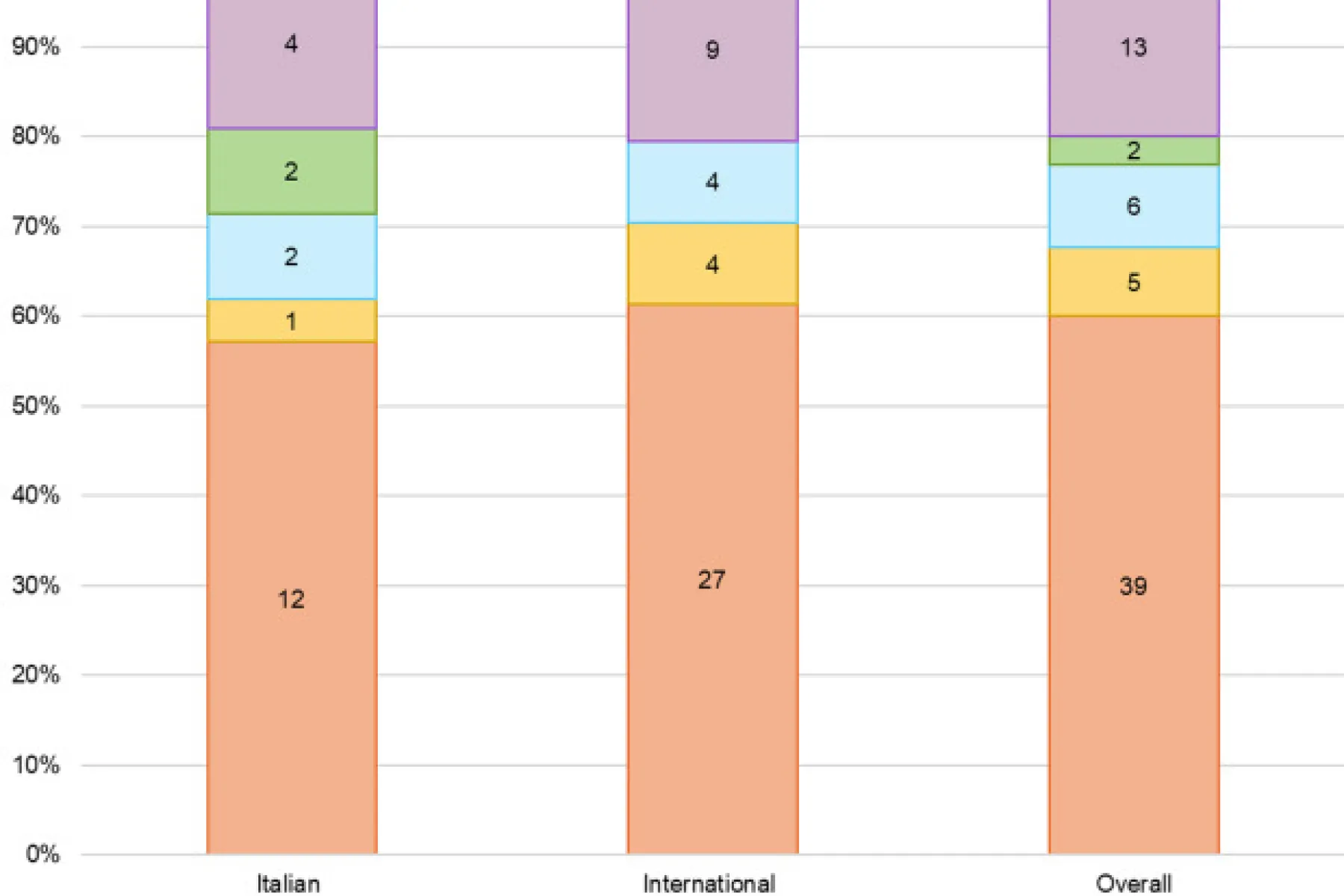
The phenotypic spectrum and genetic determinants of severe spinal muscular atrophy in individuals with a single SMN2 copy: an international retrospective observational study