
Brain Research Theme
Our Brain research team is developing new approaches to treating neurological and neurodevelopmental conditions caused by genetic changes. Rather than developing a separate treatment for each condition, the team aims to create flexible technologies that can be adapted to target different genes and diseases.
The research focuses on regulating gene activity, either by reducing the production of harmful proteins or increasing the levels of proteins needed for healthy cell function. The team is investigating technologies including CRISPR-Lock, which allows precise control of RNA, and methods that increase protein production by modifying how genetic instructions are read. Researchers are also developing antisense oligonucleotides (ASOs), short molecules designed to alter how specific genes are expressed.
Artificial intelligence is supporting this work by helping researchers analyse existing ASO research and identify promising therapeutic approaches. The team is also developing CellXpress.ai, an AI-enabled platform designed to automate cell culture and testing, allowing potential treatments to be investigated more efficiently, consistently and at a larger scale.
Initial projects include developing ASOs that selectively target disease-causing gene variants associated with encephalopathy, a condition affecting brain function, and exploring ways to increase the activity of genes linked to neurodevelopmental delay.
The Brain team works closely with the Delivery research team to investigate how these experimental treatments can reach their intended targets in the brain, including overcoming the blood-brain barrier, which prevents many medicines from entering the brain. Together, this research aims to establish more adaptable approaches to developing genetic therapies for neurological conditions.
Research projects
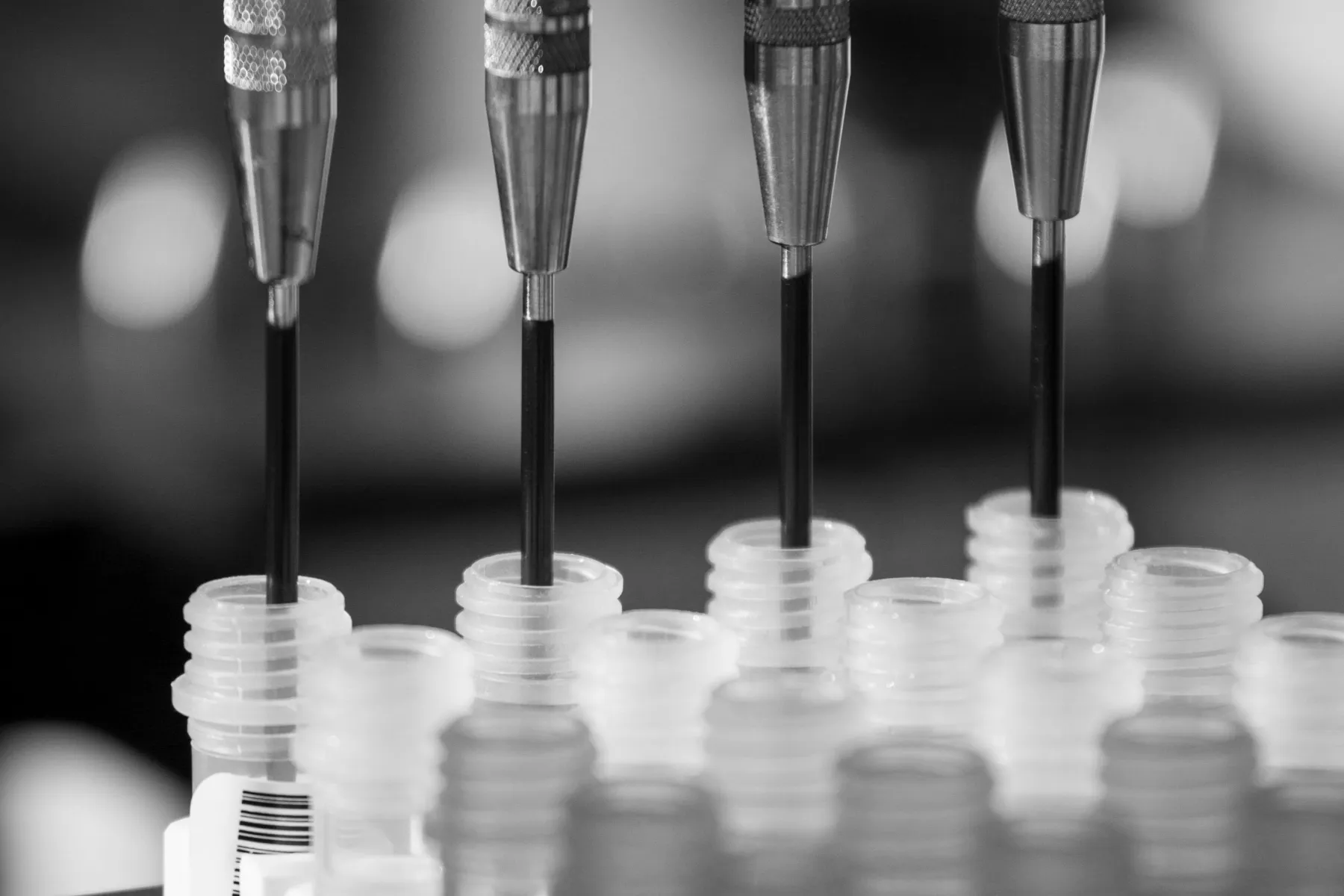
Automated cell culture and screening at scale
Using the CellXpress.ai platform for faster and more standardised testing of potential therapies

Downregulation
Downregulation approaches using allele-selective ASOs and exon 1 HTT-targeting siRNAs

Upregulation
Upregulation approaches using CRISPR-Lock and uORF disruption
Theme publications
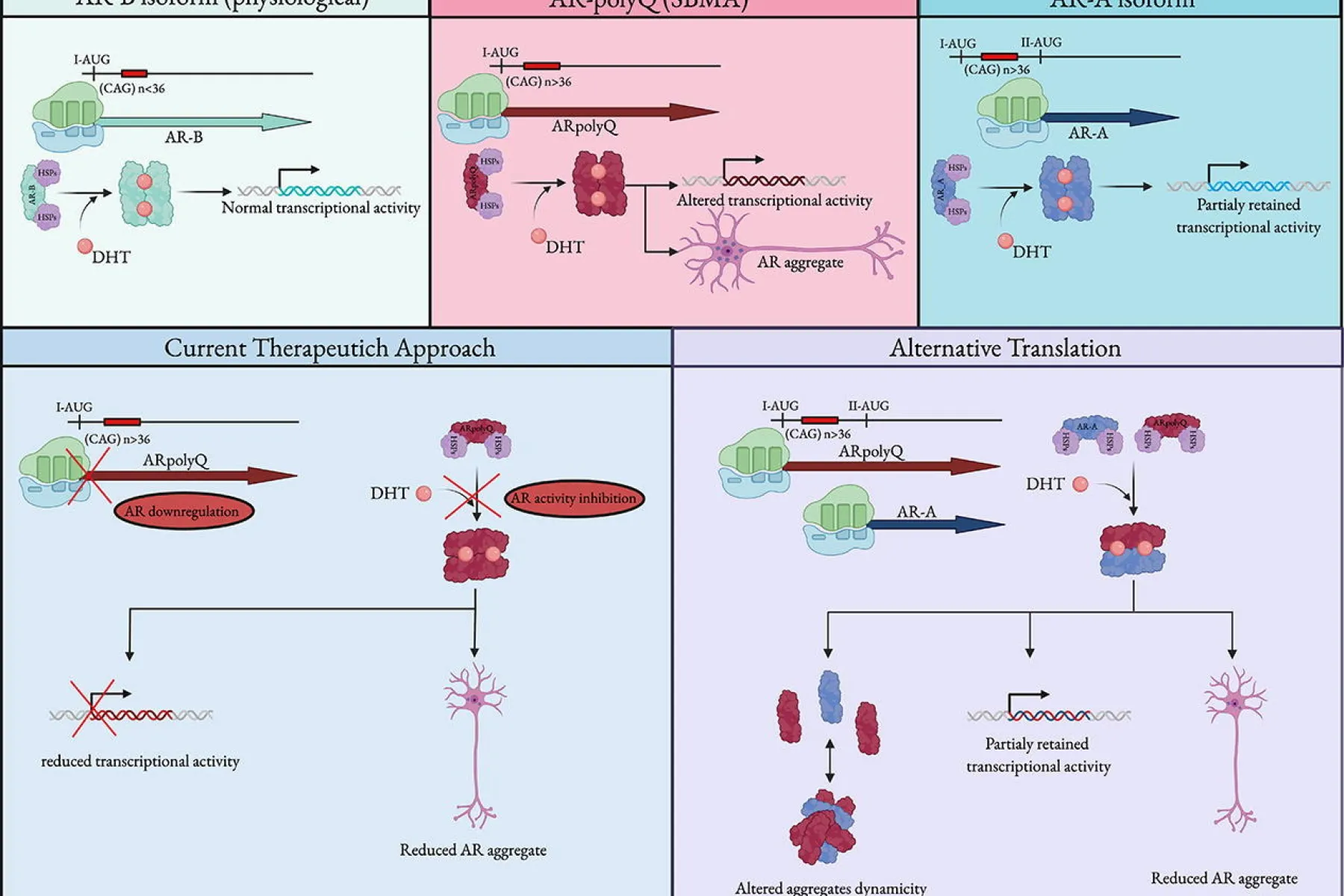
The alternative androgen receptor isoform A mitigates toxicity of polyglutamine-elongated mutant androgen receptor in spinal and bulbar muscular atrophy
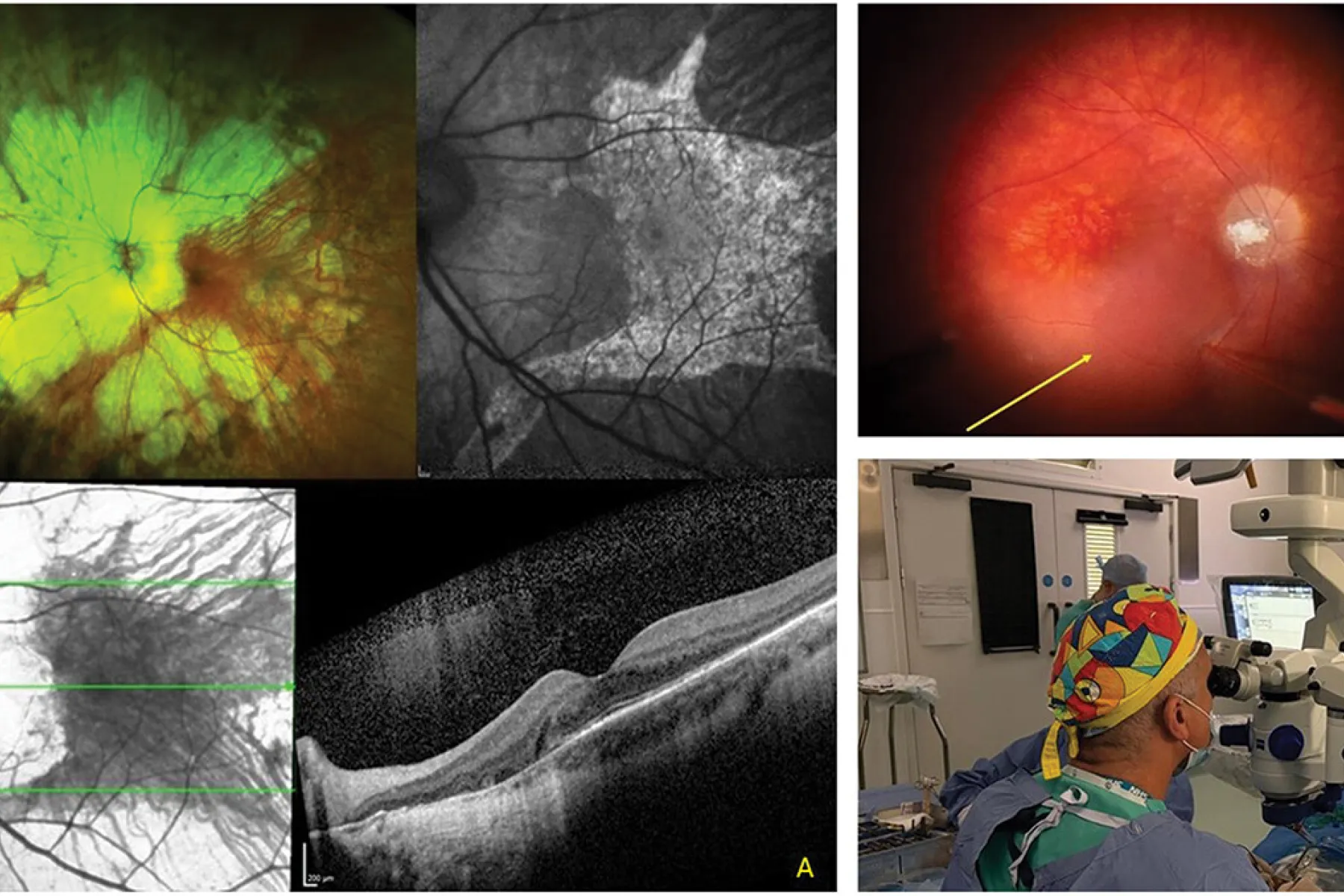
Beyond innovation: why rare disease gene therapy needs a reset
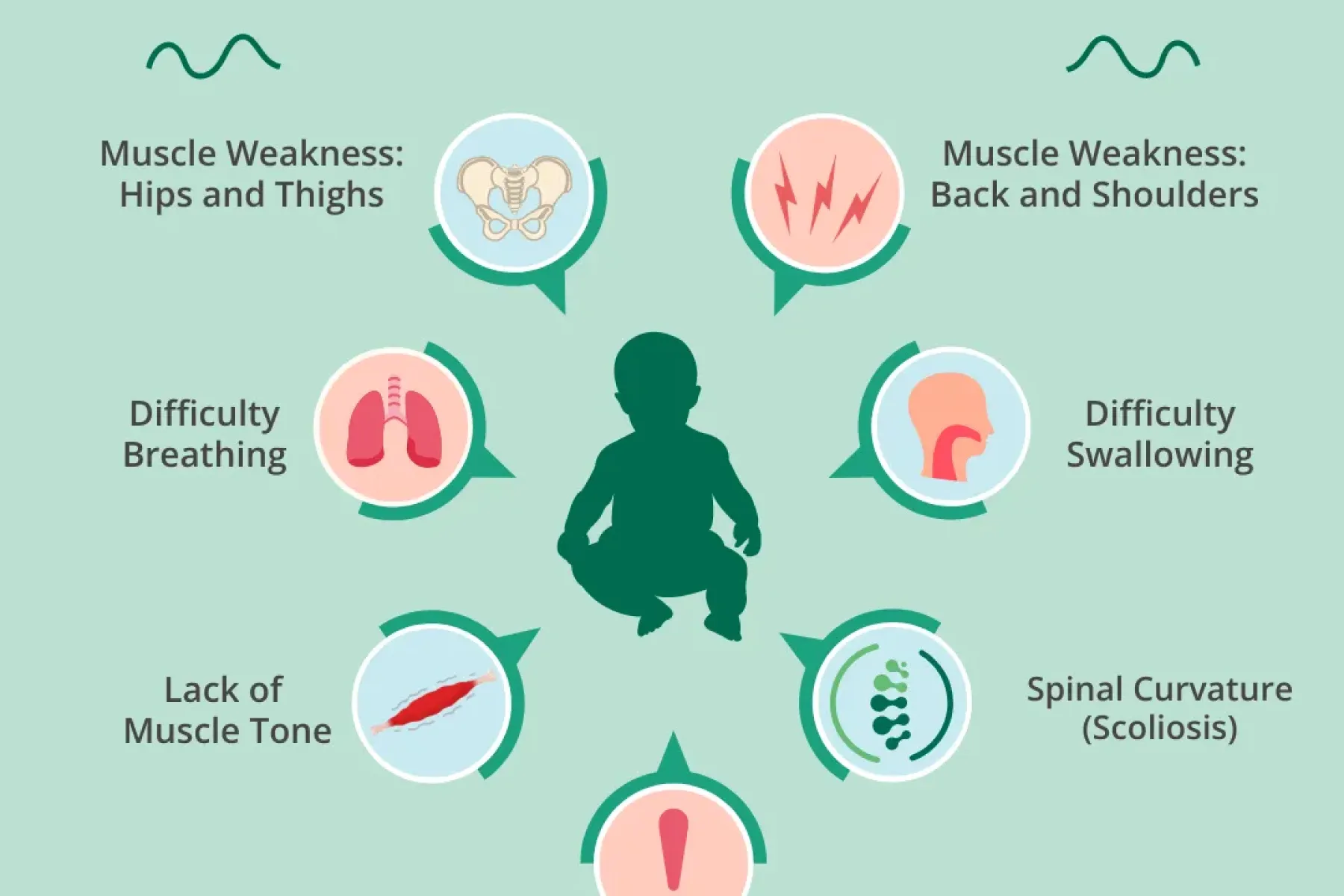
Efficacy and safety of risdiplam in patients with type 1 spinal muscular atrophy: a 3-year open-label extension of the two-part, phase 2 FIREFISH trial
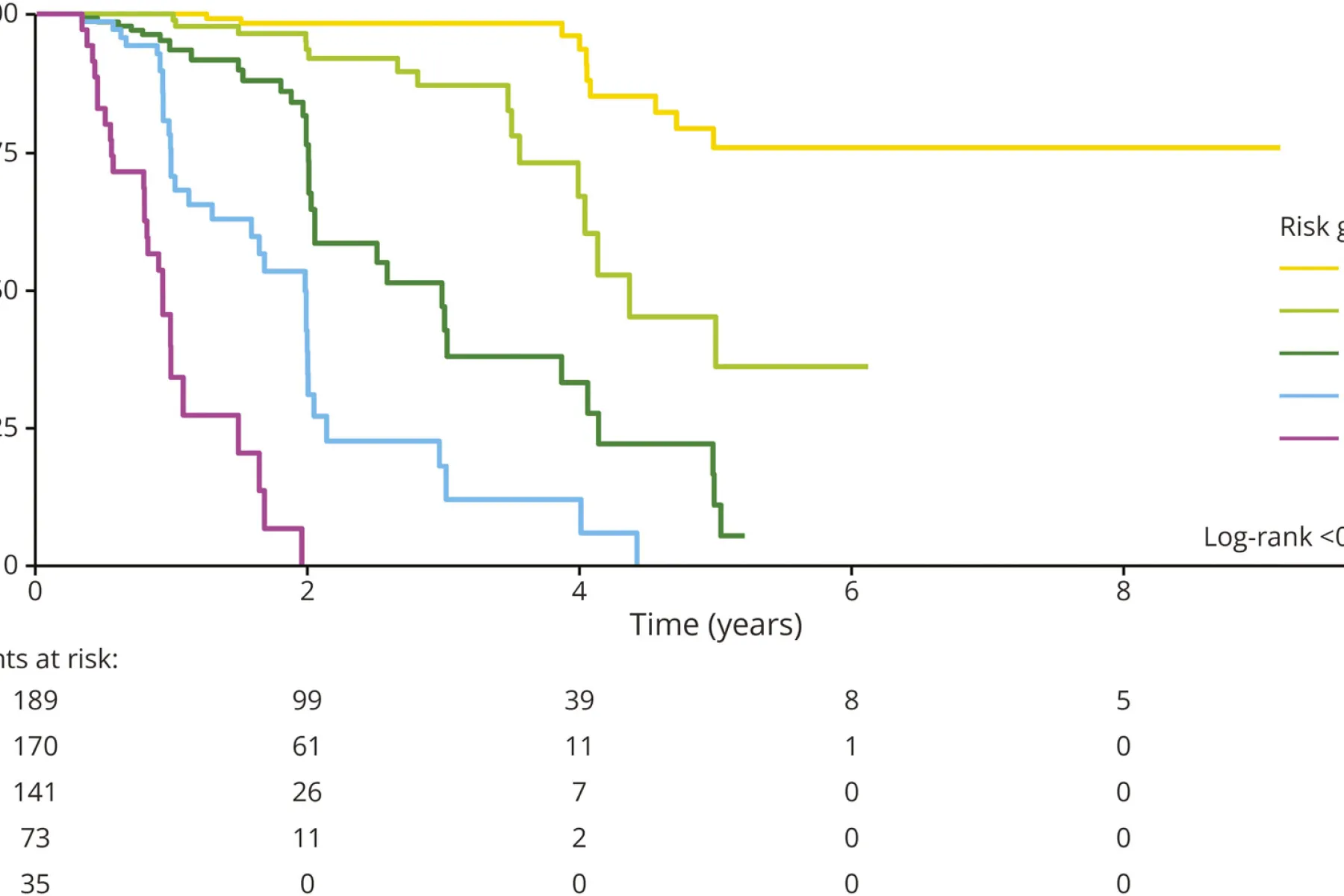
A Validated Prognostic Score for Time to Loss of Ambulation in Patients With Duchenne Muscular Dystrophy
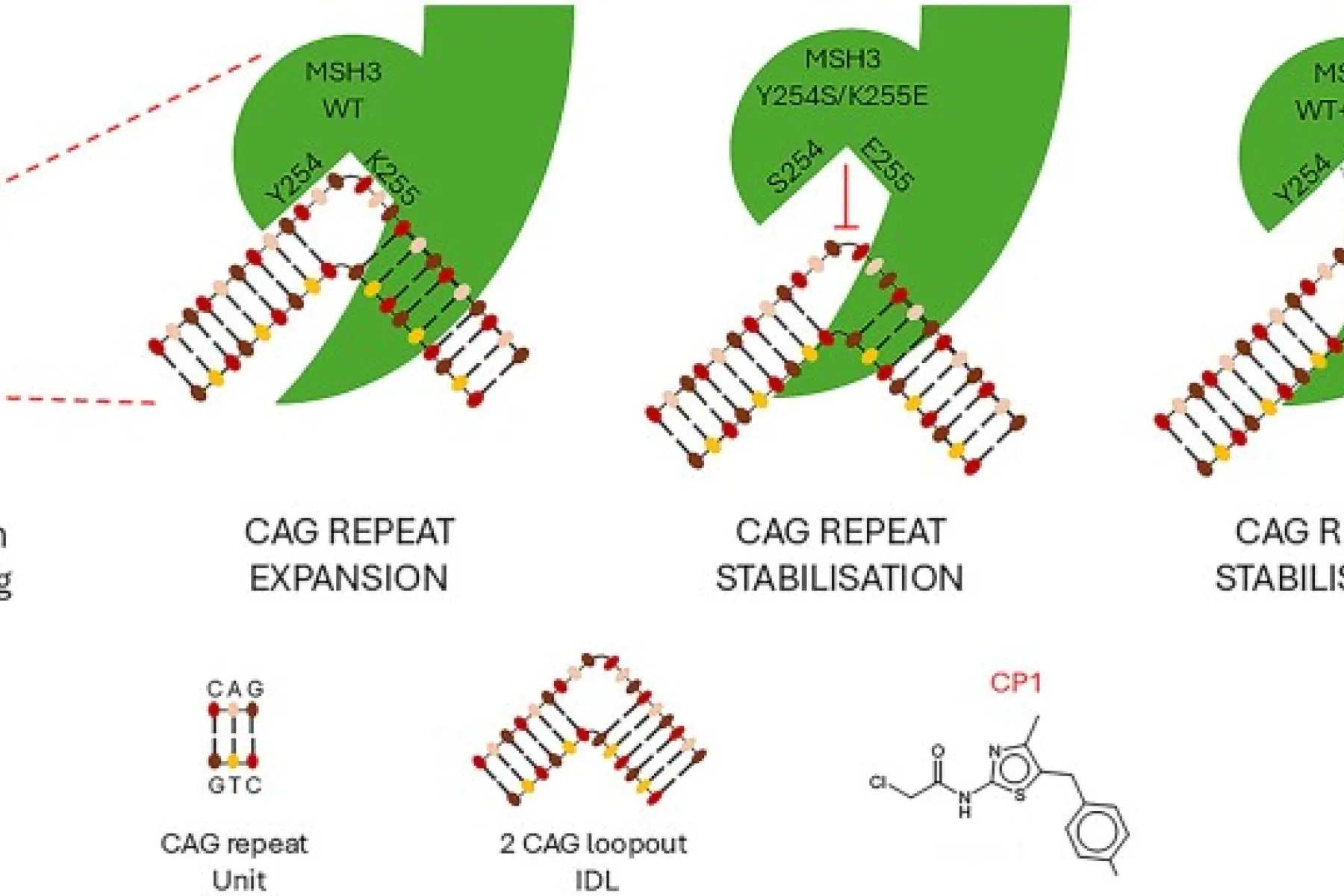
Genetic or pharmacological disruption of the MSH3 Y245/K246 IDL binding pocket slows CAG repeat expansion

Health economic evaluations of genomic newborn screening: Approaches by studies within the international consortium on newborn sequencing
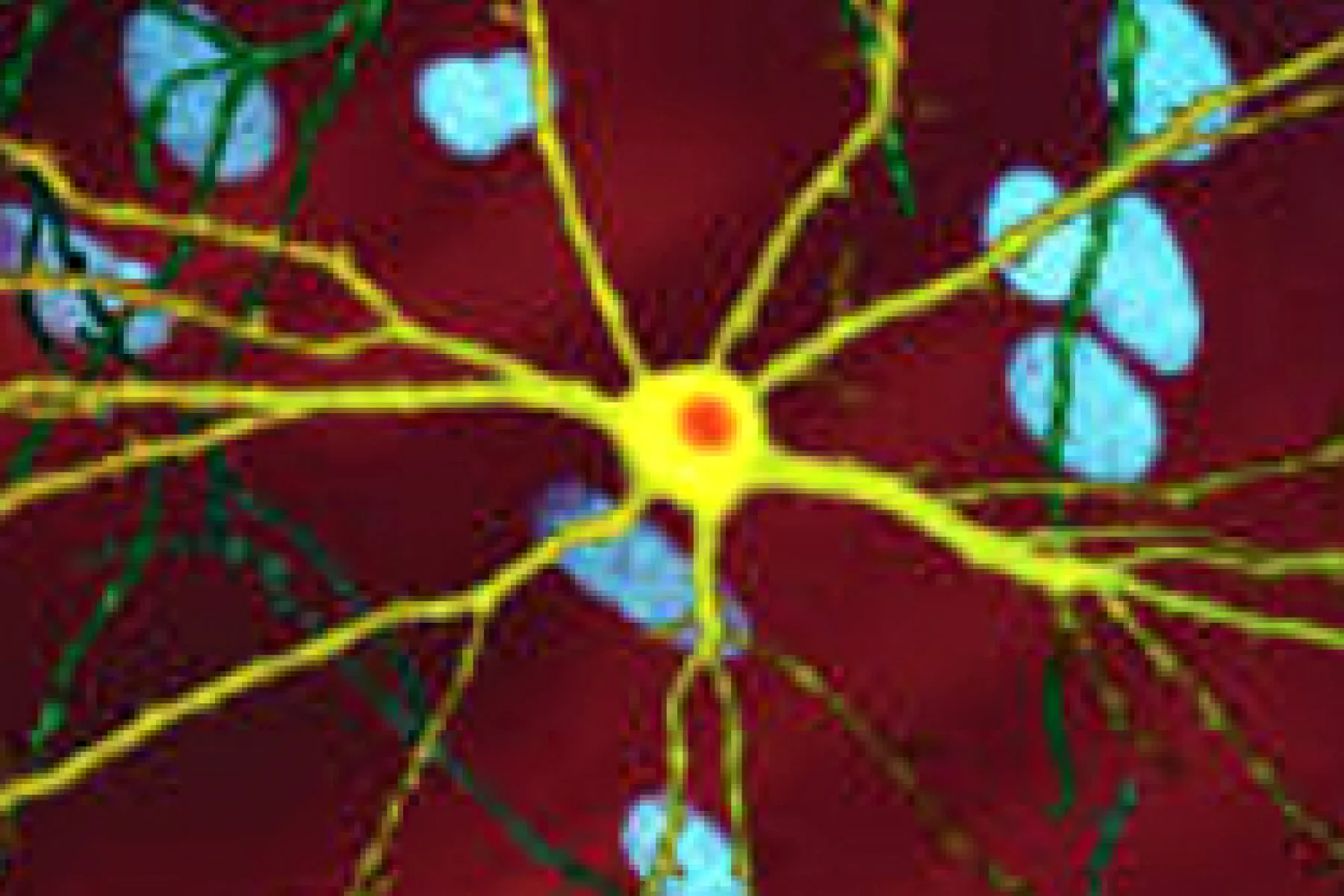
Targeting toxic HTT1a could be the key to treating Huntington's disease
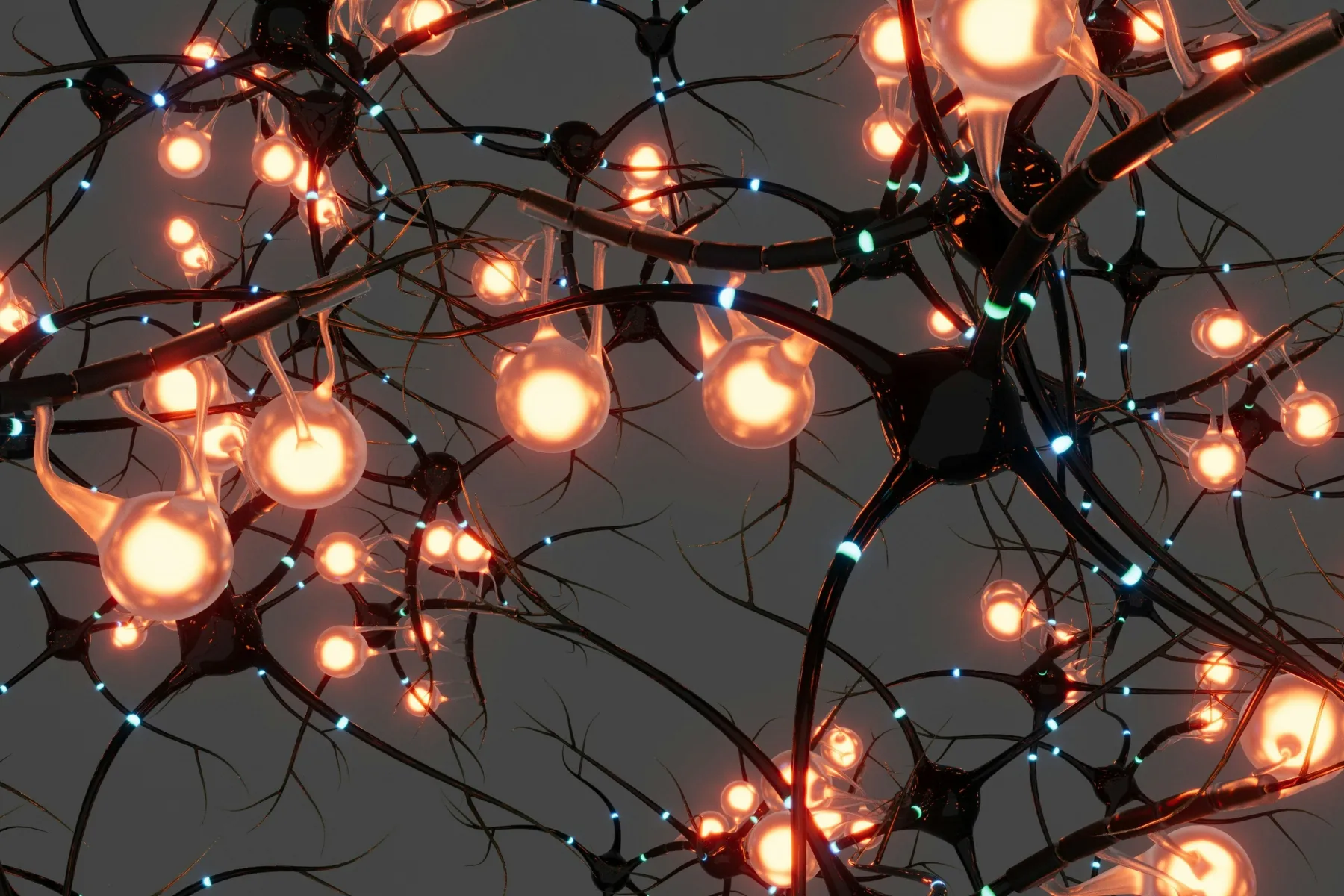
Spatial transcriptomics implicates the thalamus and cortex in autism and schizophrenia
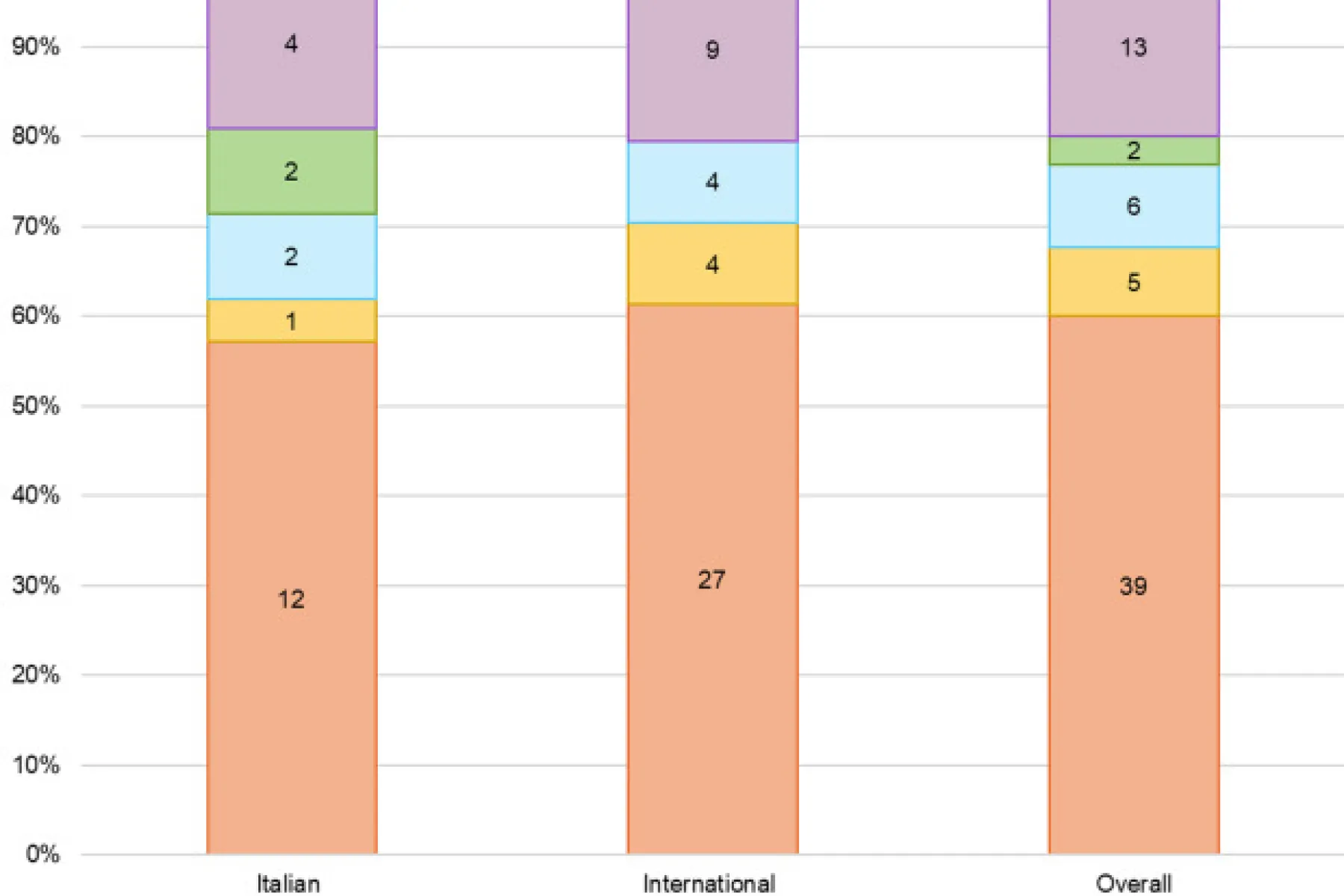
The phenotypic spectrum and genetic determinants of severe spinal muscular atrophy in individuals with a single SMN2 copy: an international retrospective observational study
Personalized CRISPR therapies could soon reach thousands — here’s how
Team

Salma Ali
DPhil Student
Amarjit Bhomra
Operations Manager, Wood Group, University of Oxford

Ross Ferguson
MRC CoRE TG Brain Theme Co-Lead
Senior Research Fellow, UCL
Lino Ferreira
Post-Doctoral Researcher
Hans Friedrichsen
Postdoctoral Researcher, University of Oxford
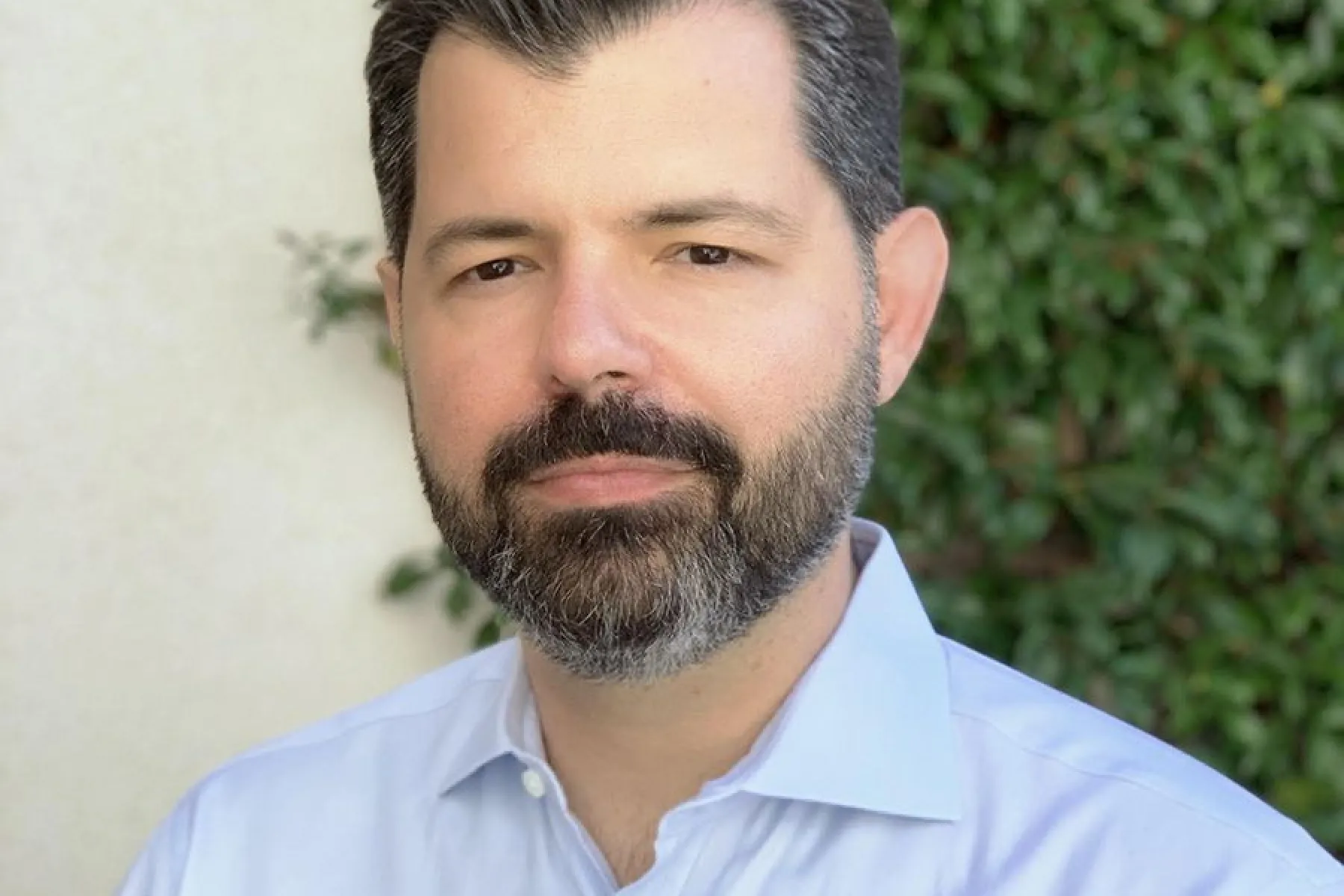
Petros Giannikopoulos
Director, IGI Clinical Laboratory
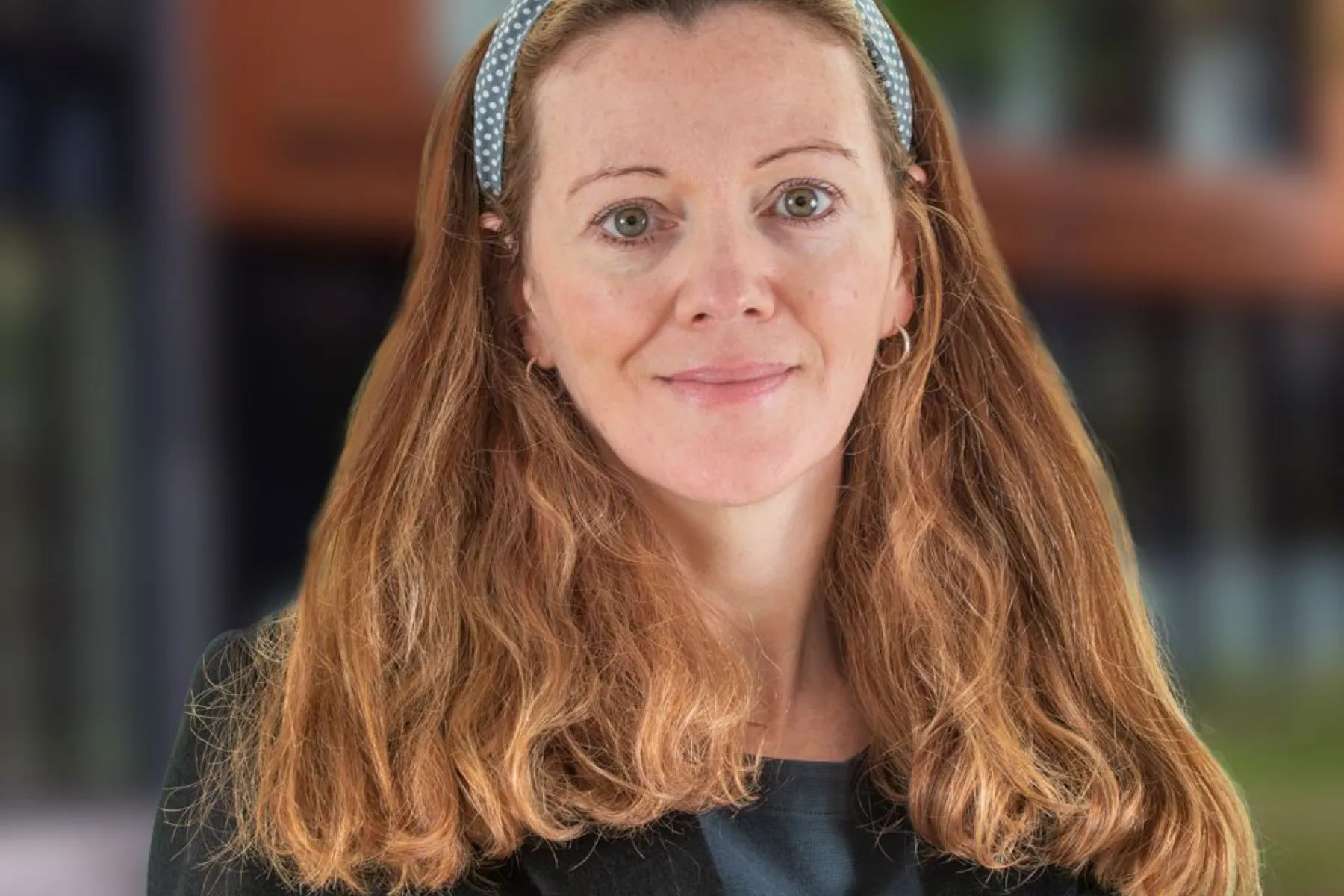
Louise Gillane
Personal Assistant to Professor Matthew Wood Administrator, Oxford-Harrington Rare Disease Centre
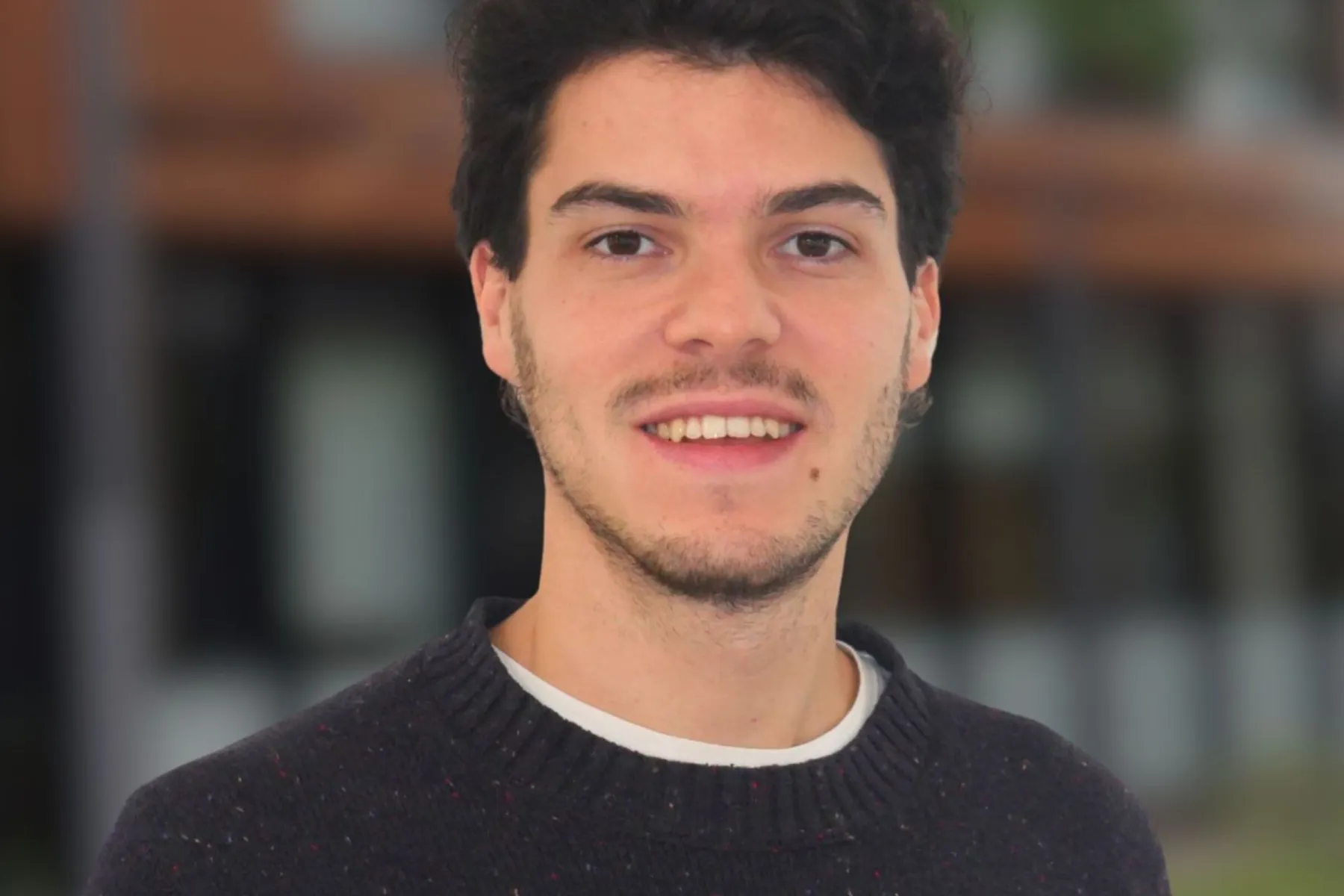
Thomas Goedert
DPhil Student
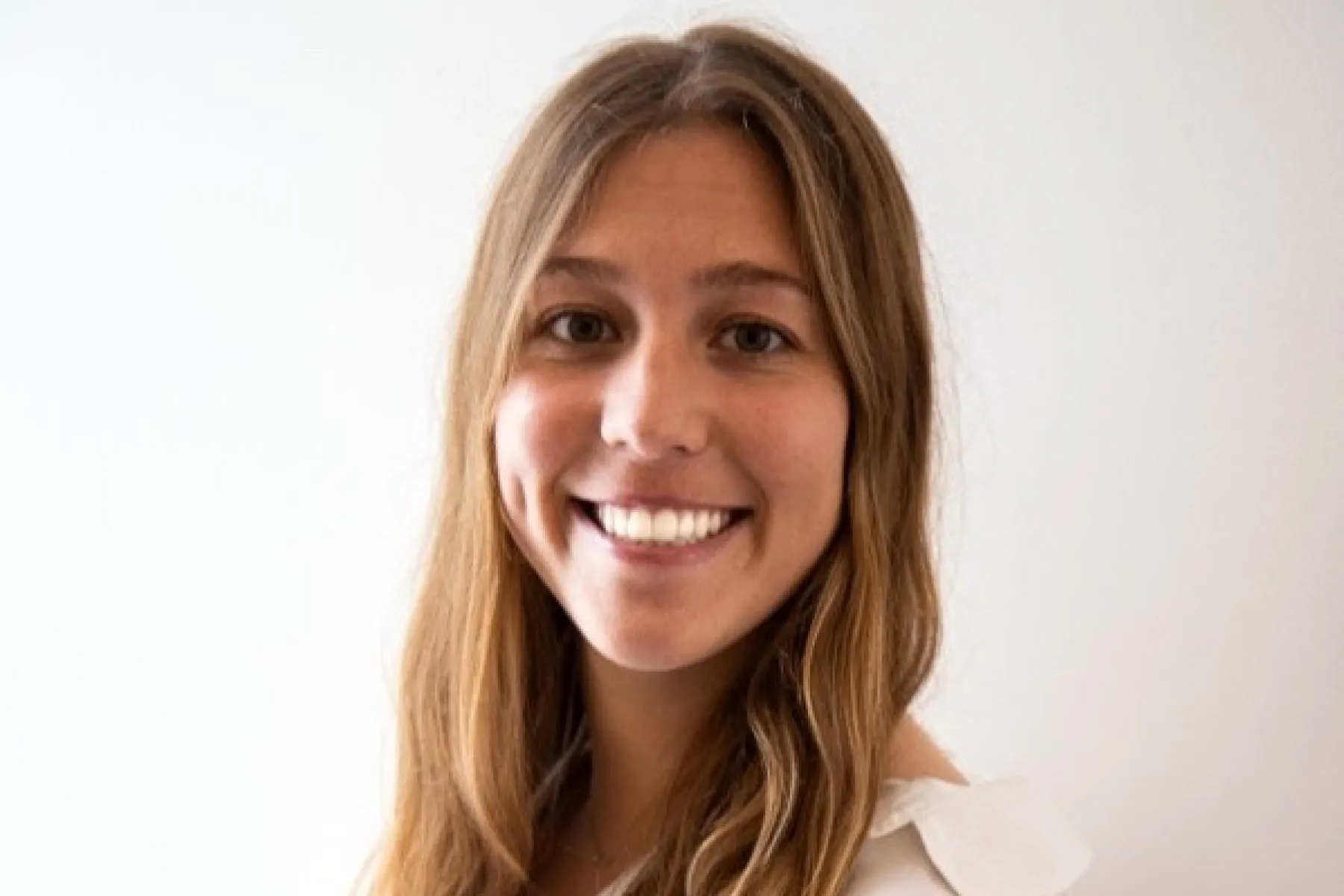
Francis Grafton
DPhil Student, University of Oxford
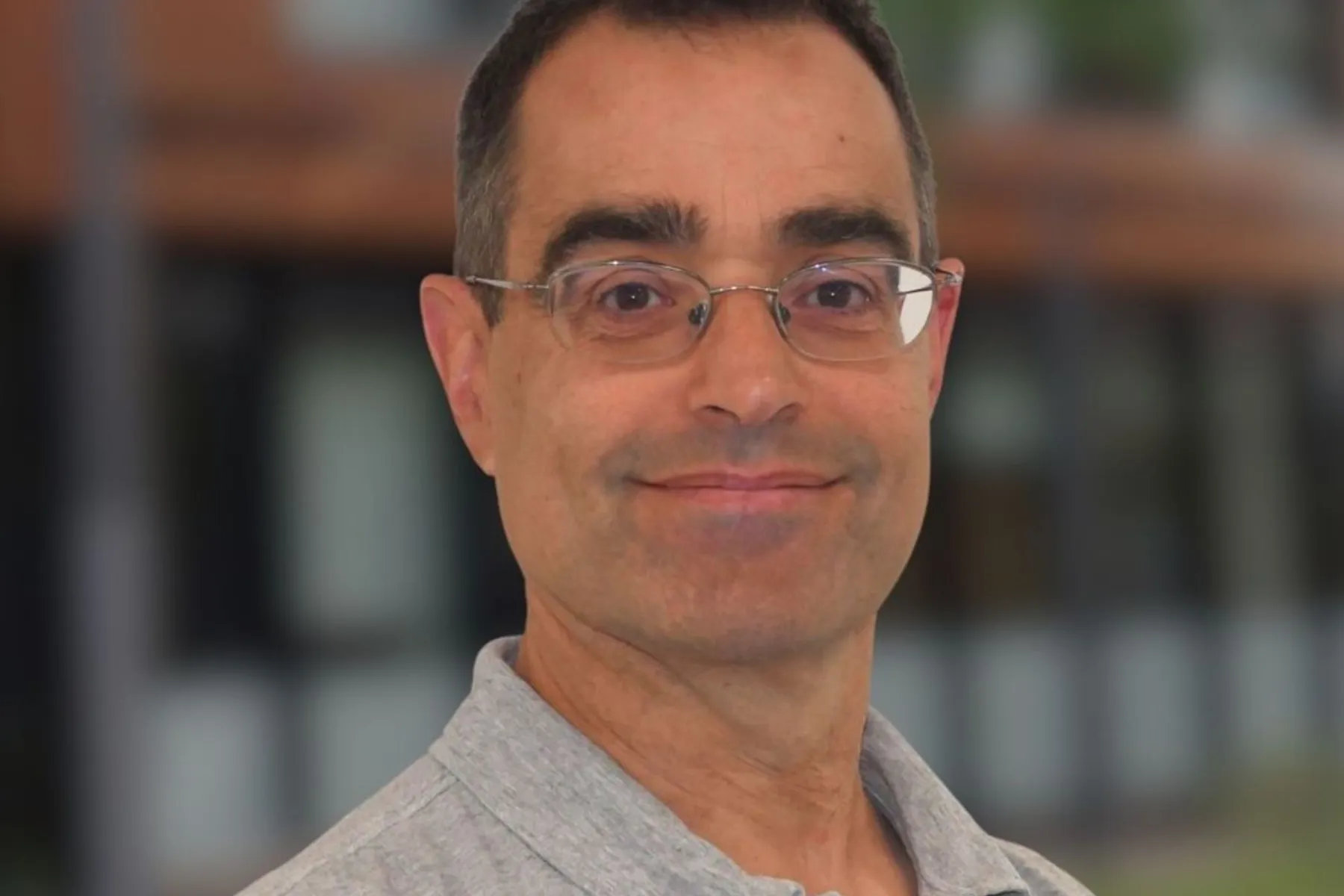
Michael (Mike) Griffiths
Data manager
Barney Hill
DPhil Student, University of Oxford
Chloe Holland
DPhil student, University of Oxford

Chloe Howells
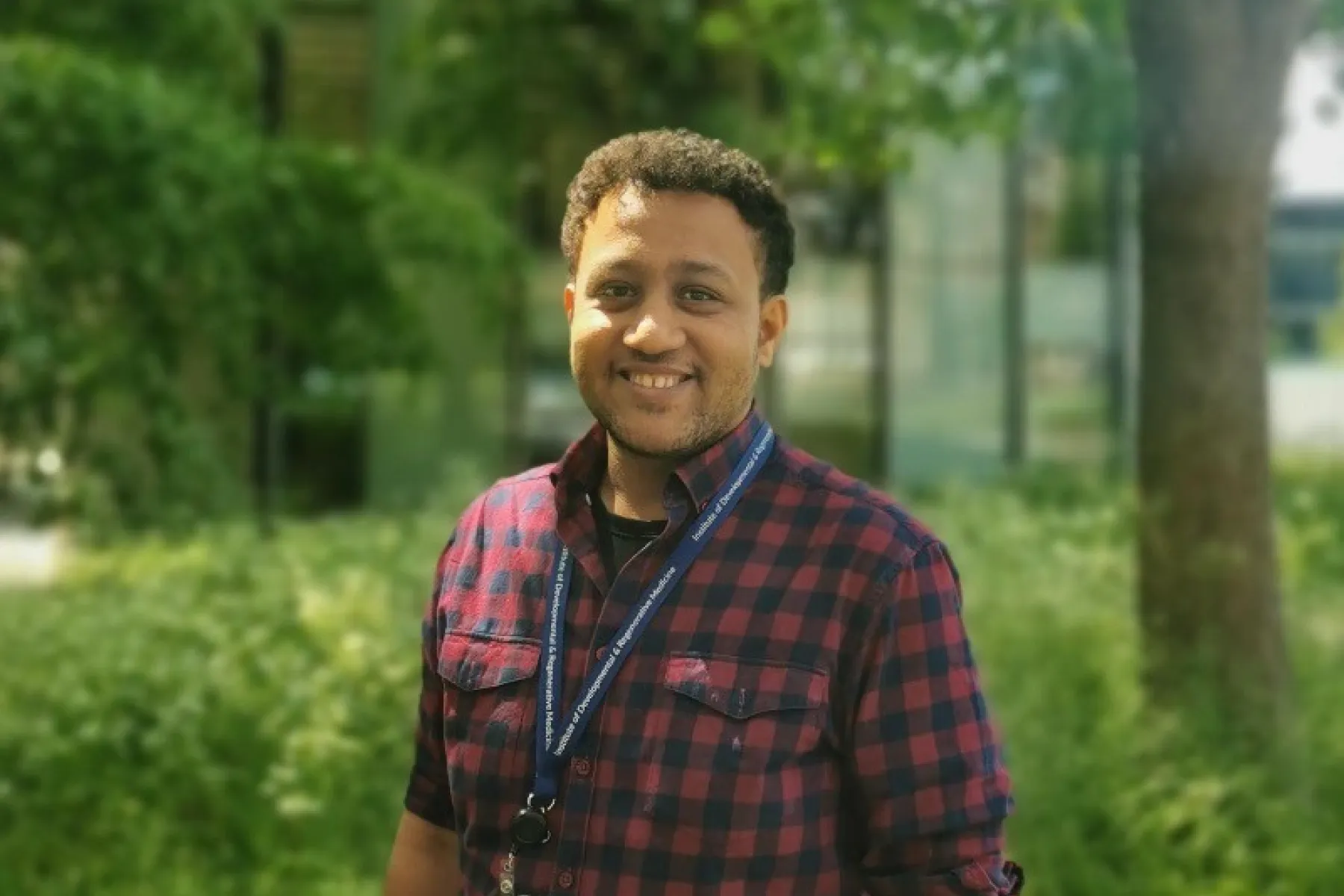
Yahya Jad
Chemist
Jakob Weiss
DPhil Student
Soo-Whee Kim
Postdoctoral Research Associate
Yujin Kim
Postdoctoral Researcher
Marlen Lauffer
Senior Researcher, Dutch Center for RNA Therapeutics | Co-Lead, Patient Identification workgroup, N1C.
Sean Metcalfe
DPhil Student
Yang-Kai Ng
DPhil student
Nick Page
DPhil student
Rebecca Chalcraft
Research Assistant
Professor Carlo Rinaldi
MRC CoRE TG Brain Theme Lead
Professor of Molecular and Translational Neuroscience, University of Oxford
Thomas Roberts
MRC CoRE TG Brain Theme Co-Lead
Associate Professor, RNA Medicine Group Leader, University of Oxford
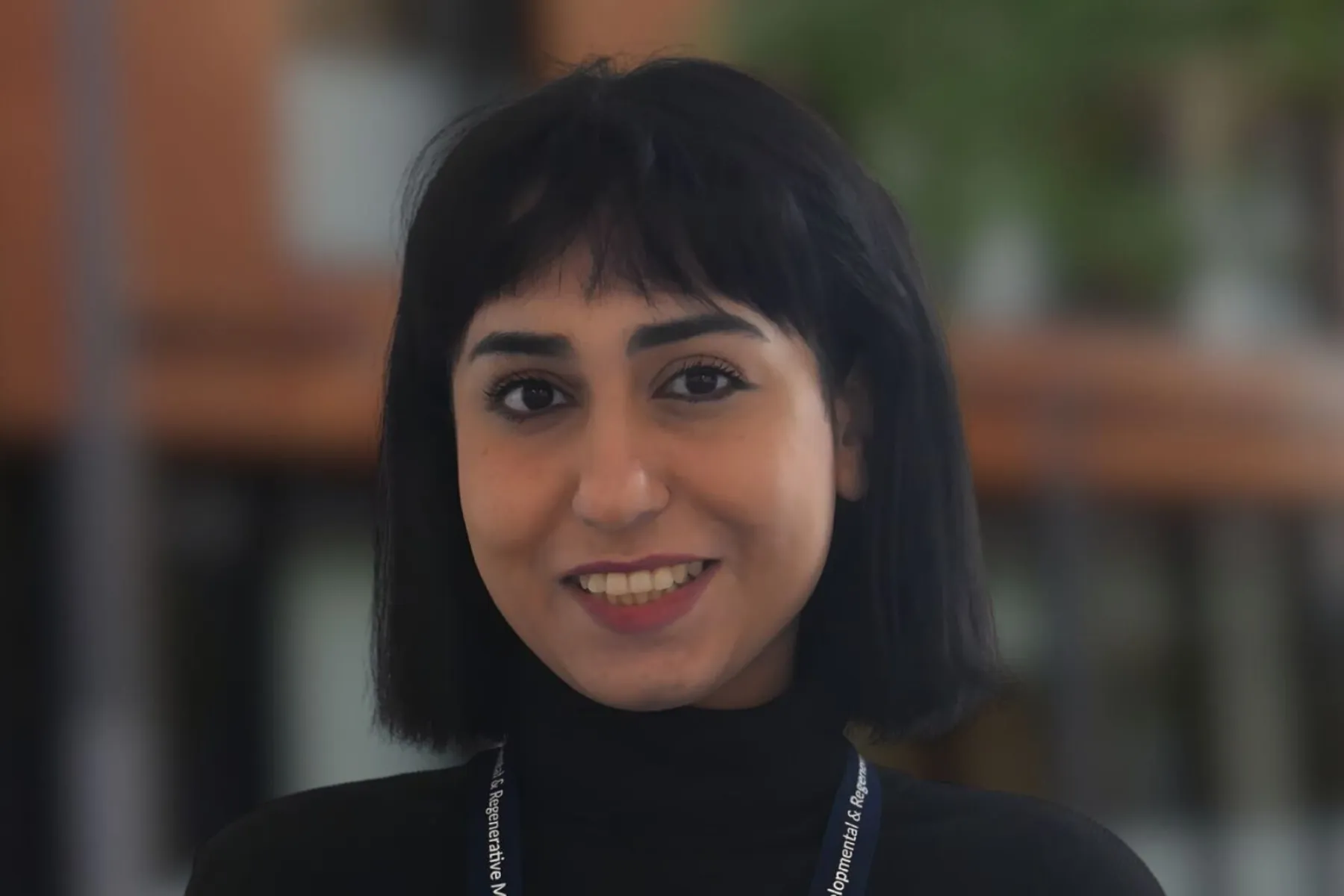
Narjes Rohani
Postdoctoral Research Associate
Freja Sadler
Research Fellow
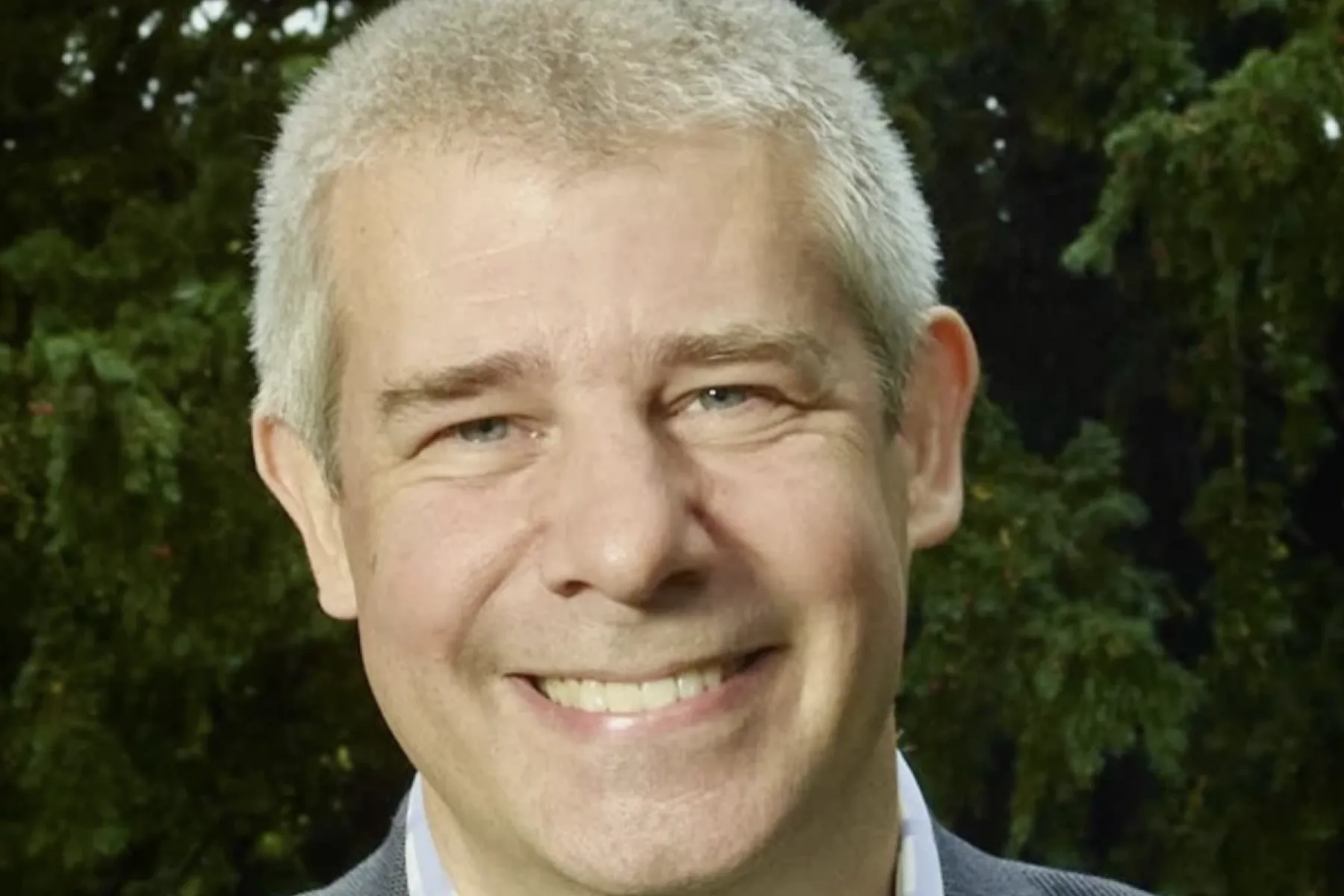
Professor Stephan Sanders
MRC CoRE TG Director
Professor of Paediatric Neurogenetics, University of Oxford
Associate Professor, University of California, San Francisco (UCSF)
Nicole Schafer
DPhil student
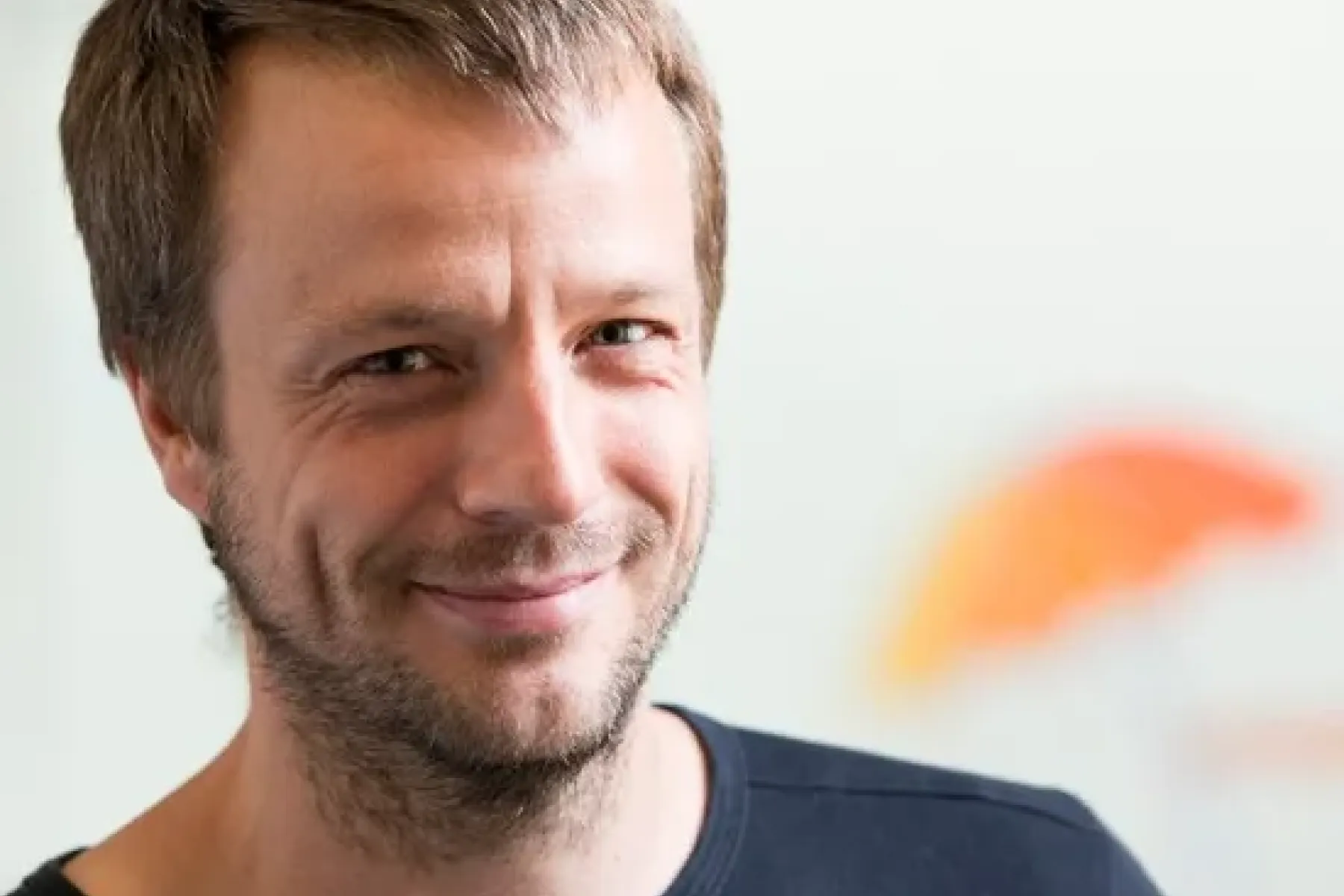
Laurent Servais
Professor of Paediatric Neuromuscular Diseases; Academic Director, Paediatric CRF
Ambra Speciale
Dphil Student
Jessica Stoodley
Postdoctoral researcher
Jiawan Sun
Postdoctoral Reseaarcher
Professor Sarah Tabrizi
MRC CoRE TG UCL Site Lead
Professor of Clinical Neurology & Neurogenetics
Joint Head of Department of Neurodegenerative Disease, UCL
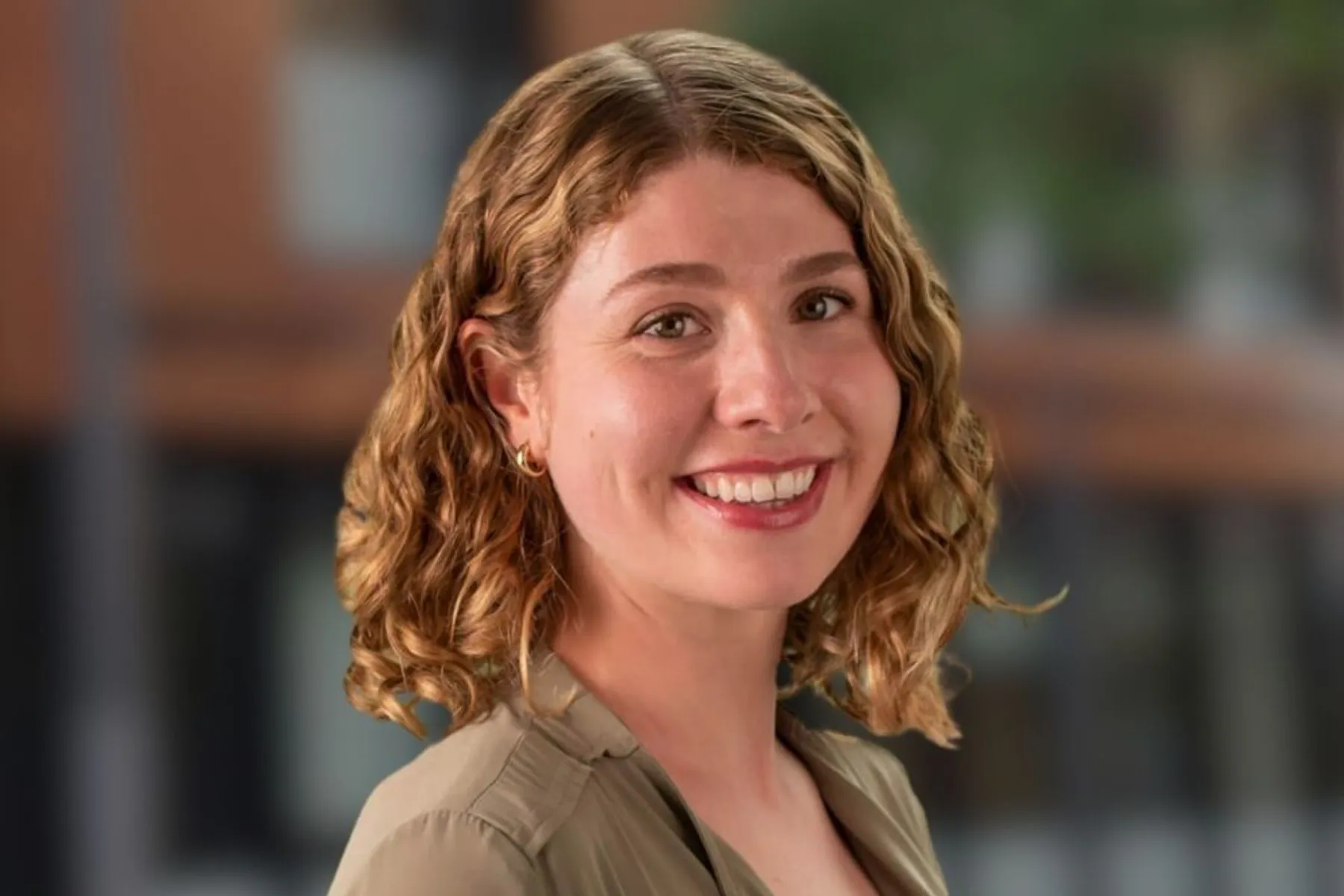
Emilie Wigdor
Postdoctoral Researcher, University of Oxford
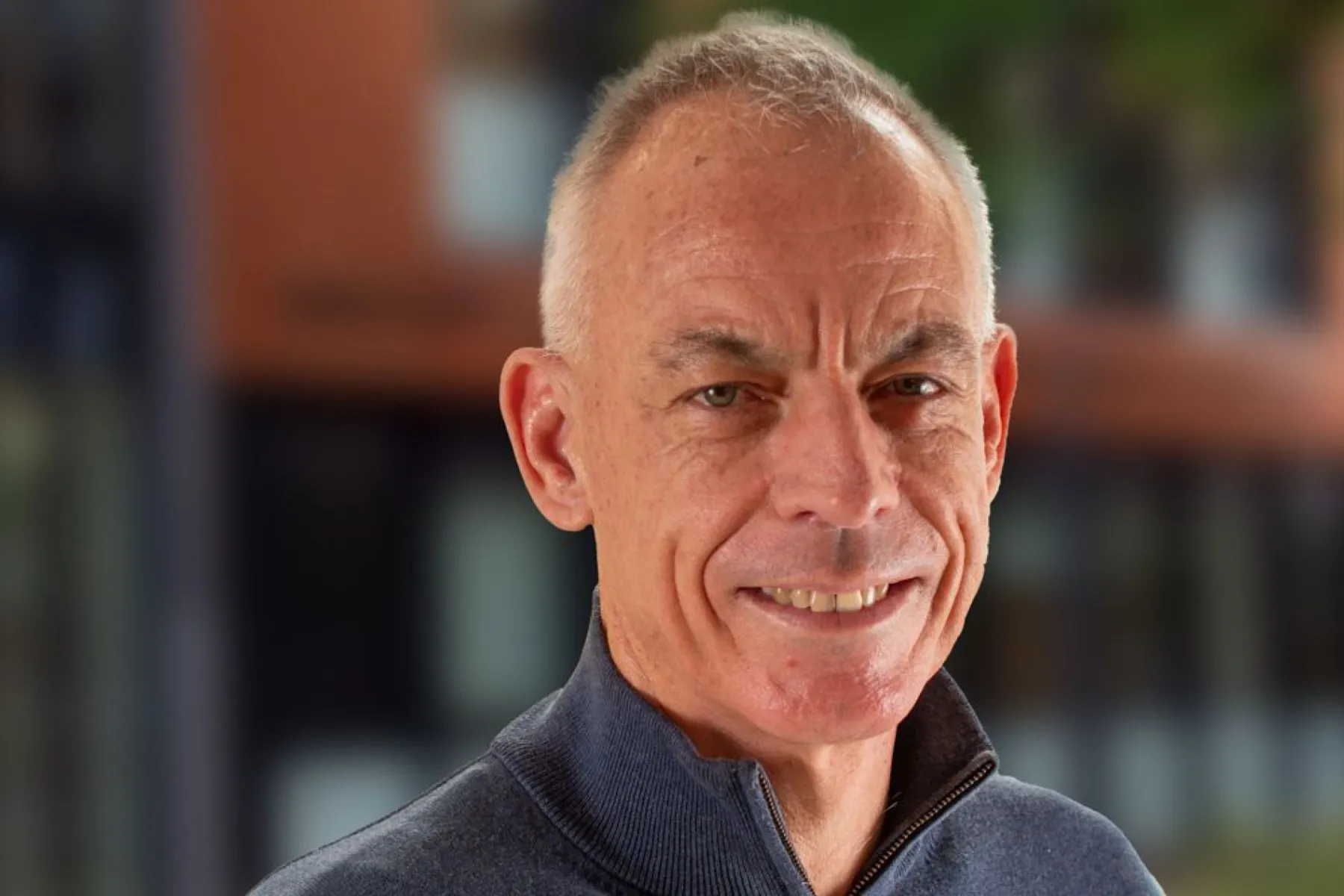
Professor Matthew Wood
MRC CoRE TG Translation and Commercialisation Lead
Director of MDUK Oxford Neuromuscular Centre
Director of the Oxford Harrington Rare Disease Centre
Professor of Neuroscience and Deputy Head of Medical Sciences Division, University of Oxford
Federico Zambon
"CellXpress.ai Super User"