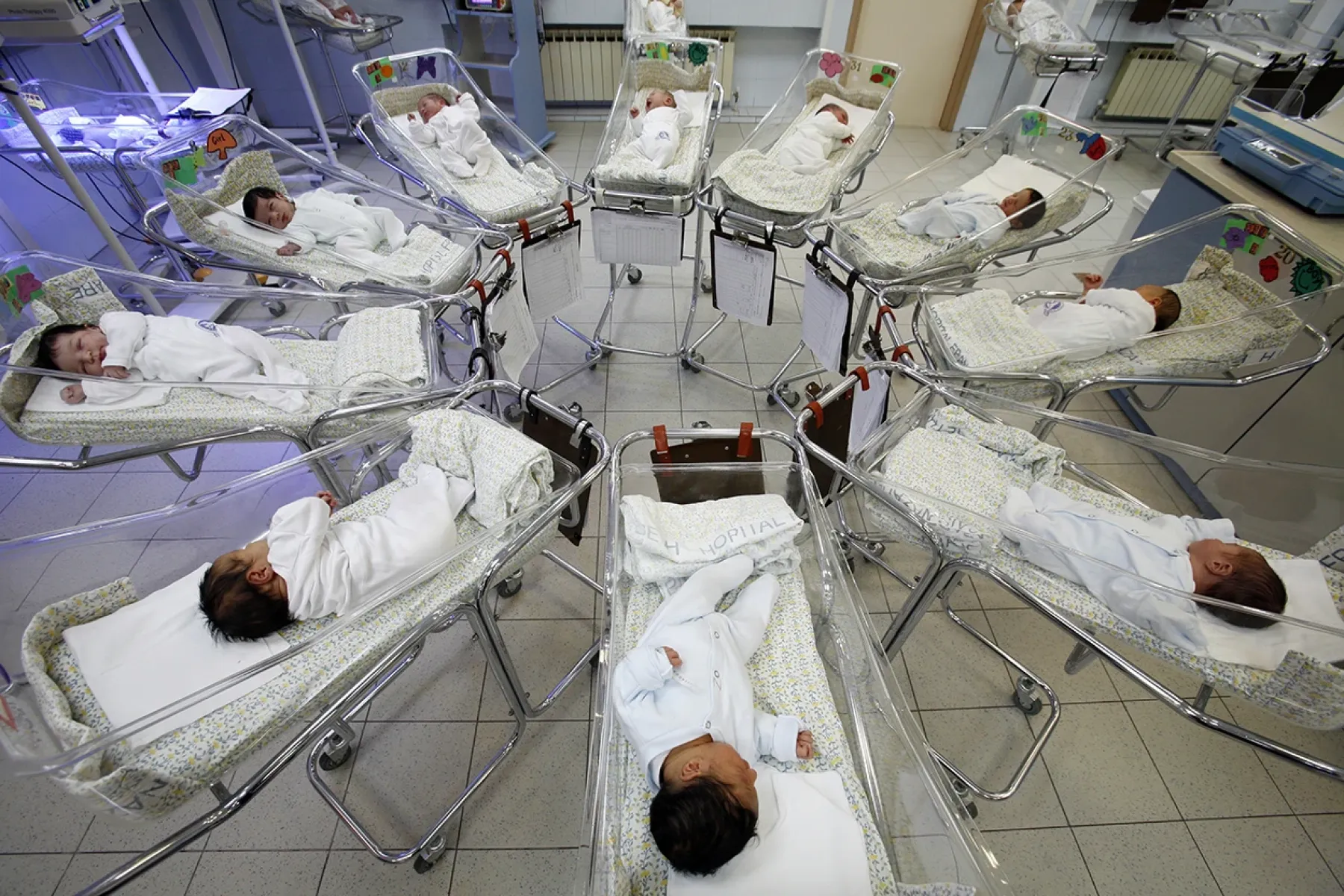
Genome-wide association studies of infant and toddler temperament in European and multi-ancestry populations
Publication details
Summary
This study, published in Nature Human Behaviour, uses genome-wide association studies to look at infant and toddler temperament in European and multi-ancestry groups. It found that traits such as emotionality, activity, shyness and sociability are partly shaped by common genetic variation, and it identified ten genome-wide significant loci. The results also showed links between early temperament and later traits, including ADHD, autism, neuroticism, extraversion, educational attainment and cognitive performance. Two signals, near RHEBL1 and MR1, also matched gene-expression patterns in the adult cortex, which may help explain the biology behind these early behaviour differences.
Keywords: infant temperament, toddler temperament, genome-wide association study, Nature Human Behaviour, emotionality, activity, shyness, sociability, RHEBL1, MR1, ADHD, autism.
Abstract
Early temperament, such as socio-emotional development and activity level, varies widely, yet its underlying biological associations are not understood. We identified genetic variation associated with infant and toddler temperament using genome-wide association meta-analyses. We studied parent-rated emotionality, activity, shyness and sociability (n = 43,963–72,663) in the second and third postnatal years and a cross-age average. Cross-age single nucleotide polymorphism heritabilities for emotionality, activity, shyness and sociability were 6.79% (95% confidence interval (CI), (4.71%, 8.87%)), 9.55% (95% CI, (7.04%, 12.06%)), 15.26% (95% CI, (12.24%, 18.28%)) and 3.42% (95% CI, (1.30%, 5.54%)), respectively. Ten genome-wide significant loci were discovered. Two loci colocalized with expression quantitative trait loci in the adult cortex: RHEBL1 (posterior probability, 0.93; associated with activity) and MR1 (posterior probability, 0.99; with emotionality). Genetic correlations were observed between early temperament and later outcomes, such as emotionality and adult neuroticism, activity and attention deficit/hyperactivity disorder (ADHD), sociability and autism, and shyness and adult extraversion. Multi-ancestry (n = 56,083–78,894) and European-ancestry analyses gave similar results. Infant and toddler temperament is associated with genetic variation and shows genetic continuity with later outcomes.
Related publications
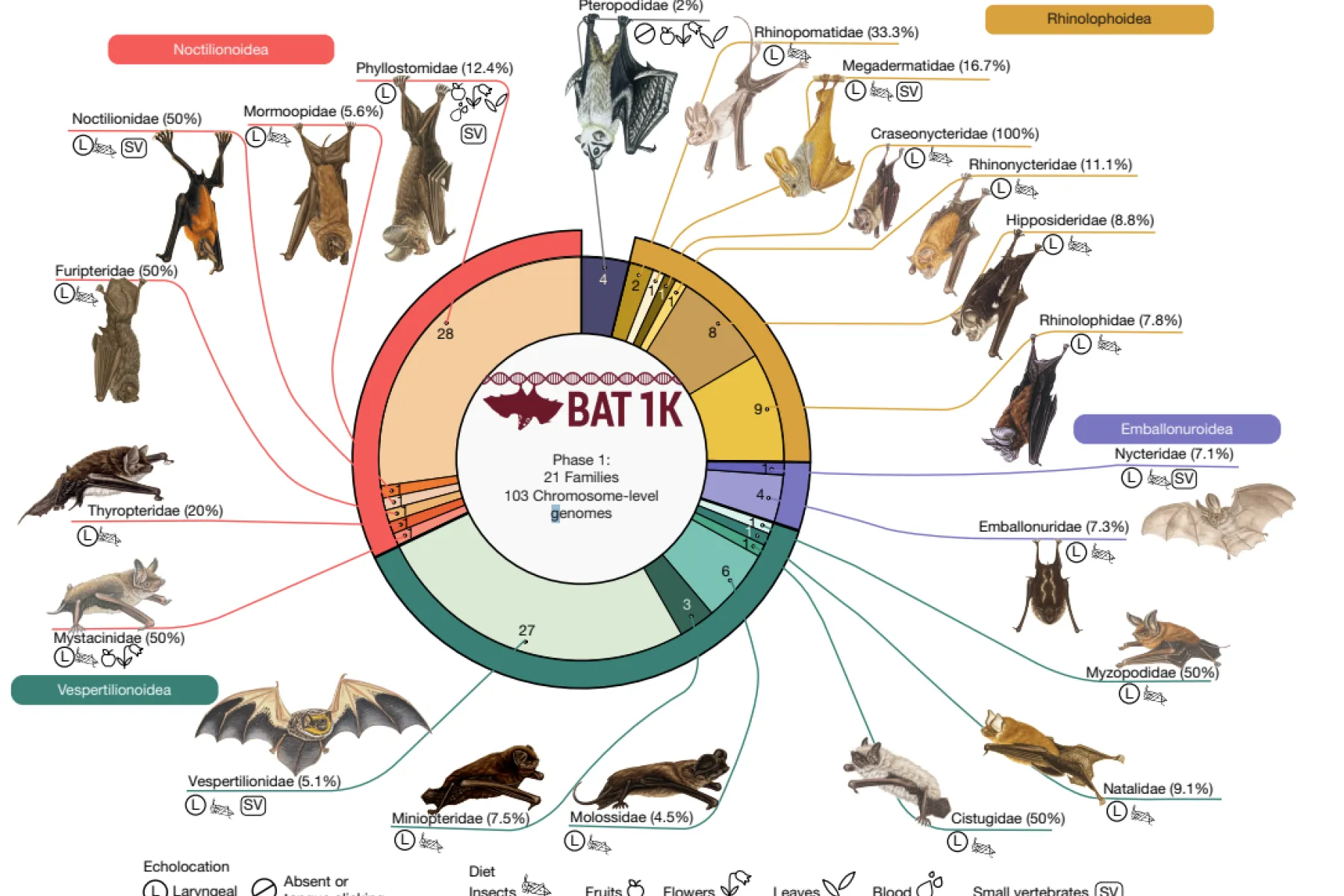
Reference genomes and fossils revise bat family phylogeny and biogeography
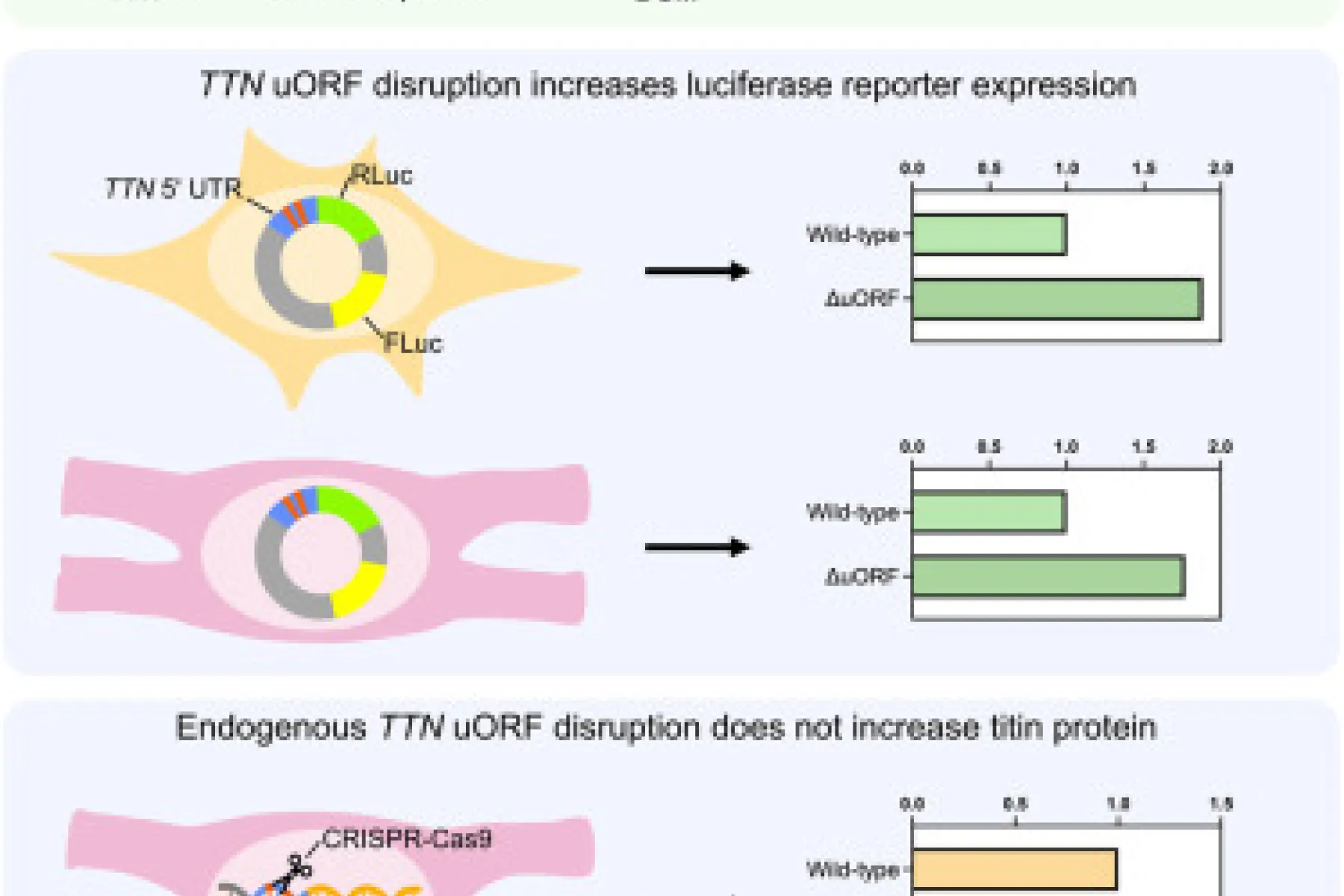
Functional analysis of TTN uORFs reveals context-dependent translational regulation
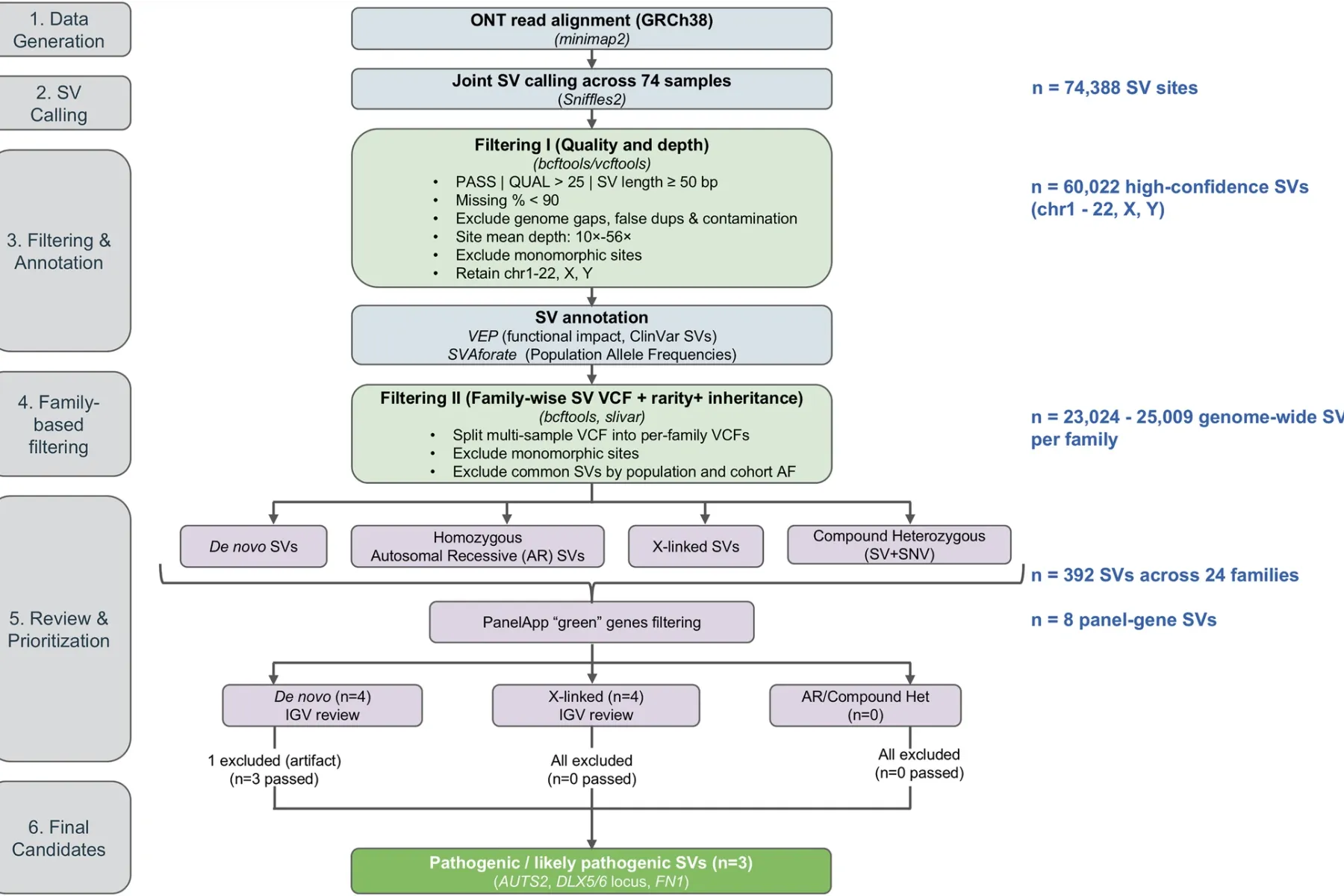
Detecting pathogenic structural variation in families with undiagnosed rare disease in a national genome project
Beyond innovation: why rare disease gene therapy needs a reset
Harmonizing standards and resources for the medical genome

Health economic evaluations of genomic newborn screening: Approaches by studies within the international consortium on newborn sequencing
The cost and cost-effectiveness of whole-exome and whole-genome sequencing: a systematic literature review

A genome-wide deletion map in 125,730 individuals for novel rare disease gene and variant discovery