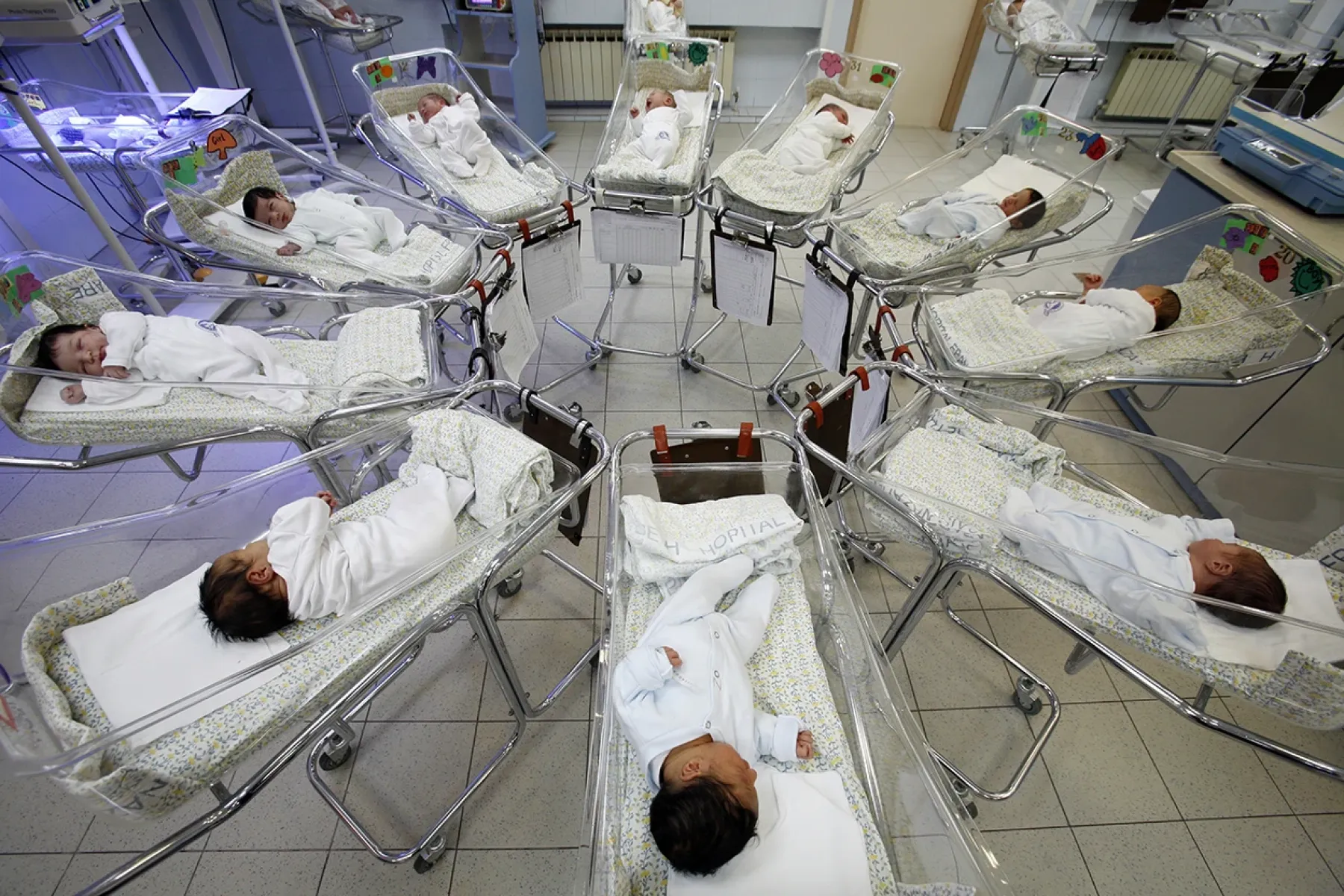
Harmonizing standards and resources for the medical genome
Publication details
Summary
This Nature article looks at how better standards for genome sequencing and analysis could support precision medicine. The authors explain that different areas of genetic testing face similar challenges, such as accurately finding genetic changes that may occur at very low levels.
The article calls for researchers and healthcare teams to work more closely together to create shared standards for medical genome data. This could improve confidence in genetic diagnosis and genetic therapies, while helping the field keep pace with new technologies.
Keywords: genome sequencing, precision medicine, genetic testing, genome standards, genetic variants, data quality, genetic therapies
Abstract
Realizing the promise of precision medicine will require the highest standards of accuracy in genome sequencing and analysis. Here we describe challenges and opportunities for the field through the lens of genome data quality. We present recommendations in the context of specific areas of application for genomic sequencing in which isolated standards have arisen: germline sequencing, tumour sequencing, cell-free DNA testing, and sequencing for quality control in genetic therapy. Despite these distinct clinical contexts, technical challenges are often similar; for example, accurately detecting low-frequency genetic variants in tumour sequencing or gene-edited cells. We call for increased synchronization among these communities to establish new medical genome standards that promote confidence in genomic diagnostics and genetic therapies in a time of rapid technology-driven change. We suggest practical approaches for implementing these genome standards across contexts, and identify key areas that require further development.
Related publications
Reference genomes and fossils revise bat family phylogeny and biogeography
Functional analysis of TTN uORFs reveals context-dependent translational regulation
Detecting pathogenic structural variation in families with undiagnosed rare disease in a national genome project
Beyond innovation: why rare disease gene therapy needs a reset
Genome-wide association studies of infant and toddler temperament in European and multi-ancestry populations

Health economic evaluations of genomic newborn screening: Approaches by studies within the international consortium on newborn sequencing
The cost and cost-effectiveness of whole-exome and whole-genome sequencing: a systematic literature review

A genome-wide deletion map in 125,730 individuals for novel rare disease gene and variant discovery